
Projects
IACP has developed a number of programs on a variety of topics important to law enforcement today. Through these projects and programs, IACP delivers resources including published documents such as guidebooks and fact sheets, online and in-person training, and interactive tools.
Projects
Projects
National Crime Statistics Exchange (NCS-X)

Latest News & Resources
- Better Data For Evolving Crime Trends (2012-2022 NIBRS Transition)
- Shifting the Crime Reporting Paradigm – Lessons Learned from the FBI’s Transition to NIBRS Webinar (2022)
- Establishing New Methods for Estimating Crime in the U.S.—The Transition to Incident-Based Crime Reporting through NIBRS Webinar (2022)
- FBI Releases 2020 Incident-Based (NIBRS) Data
- Tactical Crime Analysis: Using NIBRS Data to Reduce Crime
- Presentations and Resources from the 2021 ASUCRP/JRSA Conference (External Website)

Better Data For Evolving Crime Trends (2012–2022 NIBRS Transition)
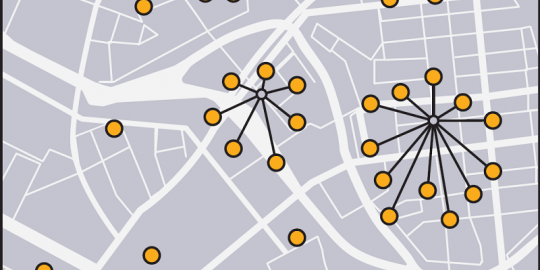
Using NIBRS to Reduce Crime

The Nation’s Move to NIBRS: Formulating the Future of Crime Data in Policing – Workshop Proceedings
Overview
The National Crime Statistics Exchange (NCS-X) is a partnership between the Bureau of Justice Statistics (BJS), a component of the Office of Justice Programs in the U.S. Department of Justice, and FBI Criminal Justice Information Services (CJIS) to expand NIBRS to support the production of nationally representative incident-based crime statistics as a strategic first step in transitioning to NIBRS-only crime reporting by January 2021. BJS and the FBI signed a joint statement of support to recruit a sample of 400 scientifically selected law enforcement agencies to submit data to NIBRS. When data from these 400 additional agencies are combined with more than 6,900 agencies currently reporting to NIBRS, the nation will have a nationally representative sample of incident-based crime data drawn from the operational records management systems of local police departments. Incident-based data capture the attributes and circumstances of criminal incidents and allow for more detailed and accurate assessments of crime in communities and nationwide.
As of November 2021, 58% of the nationally representative sample of 400 agencies was NIBRS certified. The chart below shows the 400 agencies divided by strata. A complete list of the status for all 400 agencies can be found on the BJS website.

Spearheaded by BJS and supported by the FBI CJIS, NCS-X works to expand the reporting of more detailed crime incident data among law enforcement agencies throughout the United States.
NCS-X Goal: Increase the number of law enforcement agencies that report data to the National Incident Based Reporting System (NIBRS) so that estimates of crime can be created at a national level. If an additional 400 selected law enforcement agencies begin reporting NIBRS data, then information could be generated describing the nature of crime, victimization, and law enforcement operations, which assists policymakers as they evaluate community needs, assess the impacts of programs, and seek to make efficient use of resources.
In addition to BJS and the FBI, the NCS-X Team is comprised of:
Understanding NIBRS
The National Incident-Based Reporting System (NIBRS) is an incident-based crime reporting system of the FBI’s Uniform Crime Reporting (UCR) Program, in which law enforcement collects data on each crime occurrence. Designed to be generated as a byproduct of local, state, federal, and tribal automated records management systems, NIBRS collects data on each incident and arrest within 24 crime categories made up of 52 specific crimes The most significant difference between NIBRS and the historical Summary Reporting System (SRS) of UCR is the level of detail in reporting. In Summary UCR, law enforcement agencies tally the occurrence of ten crimes. NIBRS, in contrast, captures detailed data about when and where crime takes place, what form it takes, and the characteristics of, and relationships between, victims and perpetrators. Details about the incident are organized into specific segments and data elements are coded in a uniform fashion to provide information about a criminal incident and its associated victims, offenders, property, arrestees, etc.. The goal of the NIBRS is to enhance the quantity, quality, and timeliness of crime data collected by law enforcement and to improve the methodology used for compiling, analyzing, auditing, and publishing the collected crime data. NIBRS offers law enforcement more comprehensive data than ever before for planning, training, management, and operations.
Resources
- Shifting the Crime Reporting Paradigm – Lessons Learned from the FBI’s Transition to NIBRS Webinar (2022)
- Five Things to Know About NIBRS (Nov 2020)
- UCR Program Quarterly: October 2020
- NIBRS: 30 Frequently Asked Questions (FBI CJIS, 2019)
- NIBRS: The Future of US Crime Data-Police Chief October 2017
- Brochure Describing NCS-X and NIBRS (2017)
- FBI: A Guide to Understanding NIBRS (2013)
- FBI Crime Data: 2016
- FBI: 2016 Crime in the United States
- Benefits of NIBRS Participation
Articles
- Are You Ready? How Norman, Oklahoma, Uses NIBRS - Police Chief Magazine (2019)
- How Urban Law Enforcement Can Benefit from NIBRS (FBI CJIS, 2019)
- 5 Reasons Law Enforcement Orgs Should be NIBRS Compliant ASAP (2019)
- Prepare Your Agency for the New and Improved Crime Reporting System (2018)
- Advances in Law Enforcement Information Technology Will Enable More Accurate, Actionable Analysis (2013)
- Why Participating in NIBRS is a Good Choice for Law Enforcement (2014)
- Incident-Based Reporting: The Foundation for Effective Police Operations and Managment (2013)
Support for NCS-X and National Transition to NIBRS
Planning/Procurement
The FBI’s Summary Reporting System is scheduled to sunset December 31, 2020. To meet this deadline, many agencies (and some states) need to start now to plan for their NIBRS transitions. A number of resources are available to support law enforcement agencies as they seek to determine “We need to transition to NIBRS. Where do we start?” The first recommended action for most law enforcement agencies new to the NIBRS transition is to contact their State’s UCR Program. Some states have created slightly different modifications from the federal NIBRS standard, to be more responsive to some specific state statutes. A list of other recommended actions for agencies can be found in the Law Enforcement Agency Playbook. In addition to reaching out to the State UCR Program and following the Law Enforcement Agency Playbook, the NCS-X Team has created and compiled a number of other resources to assist agencies. Among the items listed below are agency self-assessments to determine how well an agency’s current RMS data collection align with the federal NIBRS standard, technical specifications needed for NIBRS, and case studies of agencies that have recently made the transition.
Agency Readiness Assessment Forms
Law Enforcement Agencies: Transition Materials
- Technology Talk: Got NIBRS? Finding Efficiencies and Funding to Support Your Agency’s Transition – Police Chief Magazine (2018)
- Acquiring Incident-Based Reporting Software & Services: Key Topics for Law Enforcement for Consider and Model Statement of Work (April 2018)
- Law Enforcement Agency Playbook (Steps to Transition to NIBRS) 2017
- Five Steps to NIBRS-Washington Association of Sheriffs and Police Chiefs (2018)
- Technology Talk: Got NIBRS? Finding Efficiencies and Funding to Support Your Agency’s Transition – Police Chief Magazine (2018)
- Montgomery County Case Study (2017)
- Fort Worth Transition Summary (2018)
- Lessons Learned: Seattle PD (2014)
State Programs: Transition Materials
Reporting/Certification
Agencies that want to report NIBRS data need to not only to collect the data elements and institute the requisite edit rules, but they also must make sure their data can be transferred to the State UCR Program (or, in exceptional cases, directly to the FBI). Data must meet quality standards to be able to be combined with that from other jurisdictions. The State UCR Program (or FBI) certification process ensures the quality and integrity of the data received. State UCR Programs can assist agencies in understanding their state’s certification process. In addition, the NCS-X Team has created and compiled resources that agencies may find beneficial. Among them is a NIBRS Pre-Certification Tool that allows for comparisons between an agency’s data and the federal NIBRS standard.
Resources
Analyzing Incident Data
The value of NIBRS reporting is the richness and detail of the data itself. NIBRS data provides context to what can otherwise be perceived stark crime numbers. The articles linked below highlight interesting analyses that have been performed using NIBRS or incident-based data.
Examples of Recent Analysis
- Police Department Published 2020 Annual Report
- Crime Data Explorer: Uniform Crime Reporting Data with a Focus on NIBRS
- Report on the Violent Victimization Known to Law Enforcement in the Bakken Oil-Producing Region of Montana and North Dakota (2019)
- Research in Brief: Leveraging NIBRS to Better Understand Sexual Violence (2018)
- An Analysis of Domestic Violence and Arrest Patterns in Vermont using NIBRS Data (2012)
- Assessing the Validity of Hate Crime Reporting: An Analysis of NIBRS Data (2011) (pdf)
NIBRS and Crime Statistics
- Establishing New Methods for Estimating Crime in the U.S.—The Transition to Incident-Based Crime Reporting through NIBRS Webinar (2022)
- Will NIBRS Reporting Increase Crime Statistics? Tips for Responding to Questions (2020)
- Multiple Offense Incidents in the National Incident-Based Reporting System (2019)
- FBI report on the effects of NIBRS on crime statistics (2014)
- Effects of NIBRS on Crime Statistics
FBI Materials and Links
- What NIBRS, 2019, Can Tell Us
- FBI Releases 2019 NIBRS Crime Data (Dec 2020)
- FBI Releases 2019 Hate Crime Statistics (Nov 2020)
- Uniform Crime Reporting: Still Vital After 90 Years (Nov 2020)
- FBI Releases 2019 Crime Statistics (2020)
- FBI's Crime Data Explorer (2017)
- FBI: 2016 Crime in the United States
Press/Media
The NCS-X initiative has created several resources for law enforcement agencies to use when working with their local media to explain the shift between reporting crime numbers using UCR Summary Reporting System and NIBRS. The primary resource is a Media/Press Kit, which contains background on NCS-X and NIBRS, as well as examples of recent press releases and news articles.
Resources
- IACP Blog: Your Agency is Transitioning to NIBRS: How Do You Let the Community Know?
- Talking About NIBRS: Messaging About Crime Data to Stakeholders (Dec 2020)
- NIBRS Transition Press Release Template (Dec 2020)
- NCS-X Media Kit
- Arlington (TX) PD Informational Handout on NIBRS (2019)
- NIBRS: The Future of U.S. Crime Data - Police Chief (August 2017)
NIBRS in the News
- Sheridan, Much of Wyoming Complaint with FBI's National Crime Data Reporting System (Nov. 2021)
- Crime on Mercer Island (WA) Increased by 11.3% in 2020 (Jul 2021)
- Numbers Don't Lie (But They Don't Always Tell the Truth (Jun 2021)
- CCSO Joins FBI's Data Collections Standard Through National Incident-Based Reporting System (Mar 2021)
- Police Now Required to Report More Details to FBI on Las Vegas (NV) Crime (Mar 2021)
- Colleyville (TX) Police Chief Presents Annual Crime Report (Mar 2021)
- WFPD (TX) Transitions to New Crime Data Reporting System (Feb 2021)
- Henderson (TX) County Approves Software to Track Crime Stats (Nov 2020)
- Springfield (MO) Police Introduce New Crime Reporting System (Oct 2020) (Article 2)
- Grant to Help Champaign County (IL) SO Track Crime Trends (Sept 2020)
- Massachusetts Launches New Website Tracking Crime, Policing Data (Aug 2020)
- Poplarville (MS) Police Working Out the Bugs with New Reporting System (Aug 2020)
- Charles County (MD) SO Announces Application for Grant (Aug 2020)
- Jones County (MS) SO Using Justice Grant to Obtain Needed Equipment (Jul 2020)
- Pipestone County (MN) Sheriff's Office – Accurate Crime Statistics Expected with New Reporting System (Feb 2020)
- Springfield (MO), Neighboring Police Department Crime Rates Could Rise Because of Reporting Change (Jan 2020)
For Law Enforcement Agencies
- NIBRS Transition Press Release Template (Dec 2020)
- Customizable PowerPoint Presentation - Moving from Summary to NIBRS
NCS-X Newsletter
Questions or Suggestions?
National Law Enforcement Leadership Initiative on Violence Against Women
The IACP partnered with the Office on Violence Against Women (OVW) for more than 20 years to provide resources, training, and technical assistance to the law enforcement field through the below projects. Training through these projects is currently suspended, however IACP staff are always available to assist. Contact [email protected] for resources and technical assistance.
Past Projects
National Violence Against Women Law Enforcement Trainer Development Program
This program provided an opportunity for individuals who were training law enforcement to improve their core training skills, while enhancing their competency on crimes of violence against women.
Currently, this program has been suspended and applications are no longer being accepted.
The National Campus Law Enforcement Trainer Development Program on Sexual and Gender Based Violence
This program, held in partnership with the East Central University STTAABLE Campus Program, offered law enforcement who trained on the topics of sexual assault, dating/domestic violence, and stalking an interactive opportunity to strengthen core presentation skills, incorporate experiential learning into instruction, develop training lesson plans and content, and troubleshoot problems in the training environment while educating law enforcement about these crimes on campus.
Currently, this program has been suspended and applications are no longer being accepted.
Leadership Institute Series
The IACP Leadership Institute on Violence Against Women provided an opportunity for law enforcement executives to develop proactive strategies for their agencies to address domestic violence, sexual assault, stalking and strangulation. Institute participants examined and assessed their agency’s current response to these crimes, focused on developing and communicating priorities, shared challenges and solutions with peers, and designed practical action plans to maximize agency and community efforts to end violence against women, assist victims, and hold perpetrators accountable.
Currently, this program has been suspended and applications are no longer being accepted.
Click Here for Participant Map
Click here for Participant List
First-Line Supervisor Training Series
The National Law Enforcement First-Line Supervisor Training on Violence Against Women provided an opportunity for individuals who hold primary responsibility for overseeing first responders to explore current approaches for responding to and investigating the crimes of domestic violence, sexual assault, stalking, and strangulation. The training increased understanding of these crimes, and instilled mentoring, training, and leadership skills.
Currently, this program has been suspended and applications are no longer being accepted.
Click Here for Participant Map
Click here for Participant List
On-Site Training and Technical Assistance
The IACP’s on-site training and technical assistance for law enforcement agencies offered agencies across the country hands-on, direct interactions with experts in order to prioritize violence against women department-wide and formulate plans to create the needed culture change to properly respond to and investigate these crimes.
Currently, this program has been suspended.
IACP's Partnership with the Office on Violence Against Women
The IACP has partnered with the Office on Violence Against Women (OVW) of the US Department of Justice for more than 20 years to enhance the law enforcement response to crimes of violence against women. The training and technical assistance described above are part of one such partnership. This National Law Enforcement Leadership Initiative on Violence Against Women reflects the continued partnership and shared commitment of IACP and OVW in their efforts to bring crimes of violence against women to the forefront of policing. Over the past several years, the IACP and OVW have collaborated to provide direction and support on numerous violence against women topics to several thousand federal, state, local, Tribal, and campus police agencies through a comprehensive technical assistance delivery system. The National Law Enforcement Leadership Initiative on Violence Against Women is a “next step” in this effort, one that focuses attention and resources on developing the capacity and commitment of law enforcement to address crimes of violence against women.
For more information or any questions, please contact Rachel Apfelbaum, Project Manager, at [email protected] or (703) 647-6843.
Related Projects
Police Response to Violence Against Women - VAW
Proactive Approaches to Domestic and Sexual Violence
Trauma Informed Sexual Assault Investigations
Law Enforcement’s Role in Victim Compensation
Training Program on Enhancing Rural Law Enforcement Response to Violence Against Women
Law Enforcement Response to Domestic and Sexual Violence and COVID-19
On April 23, 2020, the IACP hosted a Virtual Roundtable on COVID-19 and Law Enforcement Response to Domestic and Sexual Violence. Below is...
Law Enforcement-Based Victim Services (LEV)
Sexual Assault Kit Initiative
Vicarious Trauma Response Initiative
Anti-Human Trafficking Training and Technical Assistance
National Violent Death Reporting System
The IACP is partnered with the Centers for Disease Control and Prevention (CDC) and the American Public Health Association (APHA) to gain valuable knowledge surrounding a violent death through the National Violent Death Reporting System (NVDRS). This system is hosted by the CDC to work with states across the nation to collect and analyze annual data on cases of violent death.
NVDRS is the only state-based online reporting system in the United States that combines data on violent deaths and their circumstances from multiple sources into a single, anonymous database. Linking the details of violent deaths – the “who, when, where, and how” – can provide insights into “why” those incidents occurred. These details and data points can assist law enforcement in prioritizing their resources for public safety, understanding crime patterns, and improving community collaborations for violence prevention.
The goal of NVDRS is to create safer and healthier communities, and law enforcement participation in NVDRS fosters a deeper, more comprehensive understanding of violent deaths.
Data submissions from law enforcement agencies play a vital role in the success of NVDRS:
- The depth of law enforcement information, particularly information on the circumstances of an incident, is critical to fully understanding each event.
- Law enforcement reports may be the only source that can document aspects of incidents such as multiple death events, firearm trace information, or details not collected in supplementary homicide reports.
- Information collected from multiple source documents is not always consistent. Law enforcement report data can often be used to resolve inconsistencies.
Law enforcement agencies interested in submitting data to NVDRS can learn more from the CDC here.
New Resource: National Violent Death Reporting System — This document highlights the importance of law enforcement and public safety agencies contributing to and using NVDRS data to better understand the circumstances surrounding violent deaths—including suicides, homicides, and legal interventions—and to inform prevention efforts.
What can NVDRS data do for law enforcement?

Data Source: CDC’s NVDRS Factsheet, CDC Assault or Homicide Factsheet, CDC Suicide Data and Statistics
Using NVDRS can benefit police agencies operationally and logistically:
• Examining emerging issues
• Revealing patterns of violent deaths through geographic analysis
• Focusing violence prevention initiatives
• Gaining a greater understanding of violent crime
• Deploying law enforcement resources more effectively
• Developing stronger, more targeted crime policies
• Using public safety resources more effectively to support healthier, safer communities.
To learn more about how law enforcement can benefit from using NVDRS, download the CDC’s NVDRS and Law Enforcement Factsheet.
NVDRS Data Collection
NVDRS began collecting data in 2003 from six states. Data collection for NVDRS was expanded to include all fifty states, the District of Columbia, and Puerto Rico by 2018.
NVDRS uses information from law enforcement reports, death certificates, and coroner/medical examiner reports (including toxicology), to monitor and characterize violent deaths – including homicide, suicide, deaths of undetermined intent, legal intervention (excluding executions), and unintentional firearm-related deaths. Over 600 unique data elements are collected, providing contextual information on violent death incidents. Data elements include relationship problems; mental health problems and treatment; and life stressors, such as recent job problems, finances, or physical health. Information about the incident is collected, such as weapons used; injury characteristics; characteristics of suspects, locations where the incident occurred; and summary narratives of the incident based upon the law enforcement and coroner/medical examiner reports.
The NVDRS is also expanding data collection to examine the circumstance and other contextual factors for suicide amongst law enforcement and other public safety professionals (e.g., firefighters, emergency medical service clinicians, and public safety telecommunicators). In 2022 the CDC created a Public Safety Officer Suicide Reporting module, which will build upon elements collected as part of the current NVDRS data system from the required source documents (e.g., death certificates, coroner/medical examiner reports, law enforcement reports) and will include information specific to the first responder community. These data metrics will provide opportunities to better understand suicide fatalities and the circumstances around those fatalities among first responders. The IACP also has a vast amount of resources on Officer Safety and Wellness, which can be accessed here.
Agencies can access NVDRS data from the CDC at the national and state level free of charge from the Web-based Injury Statistics and Query System (WISQARS), or request access to more detailed data from the NVDRS Restricted Access Database (RAD). These reports and data access options are located here.
Law enforcement officers can provide detailed reports on violent incidents in their jurisdiction to their state NVDRS database. For more information on NVDRS and data access, please visit the CDC webpage.
NVDRS Data Protections
Since the start of NVDRS in 2002, there have been no reported data breaches of the data system's confidentiality or security. When participating states enter data into NVDRS, it is done through an encrypted, web-based system and up-to-date security protocols. No personally identifying information is collected in the web-based system.
IACP and NVDRS
The IACP is committed to promoting awareness of NVDRS to IACP members and the profession at large. Engaging with the NVDRS is a tool that law enforcement agencies can use to improve and implement strategies to reduce violent deaths in their community. Below are some examples of IACP resources concerning NVDRS:
IACP Resolutions
• Support of National Violent Death Reporting System (NVDRS) – 2017
• Support of National Violent Death Reporting System (NVDRS) – 2010
Police Chief Magazine Articles on NVDRS
• Police Chief Magazine: “The National Violent Death Reporting System: The Critical Law Enforcement Component": (https://www.policechiefmagazine.org/the-national-violent-death-reporting-system-the-critical-law-enforcement-component/?ref=720cd267b83f6a528104ebb5e32f1a6d)
Policing and Public Health

Supporting the National Violent Death Reporting System is part of IACP’s Public Health-Informed Policing (PHIP) Initiative. Police encounter public health issues daily: violence, substance use, homelessness, behavioral health crises, and pandemic-related challenges, among many others. Police are increasingly expected to deal with social ills but are often not provided with adequate resources or support from other agencies.
Police, community, and government agencies are jointly responsible for addressing social ills. Police agencies can benefit from a PHIP framework as it increases agency effectiveness via evidence-based practices and force multiplying partnerships. This approach can help to develop effective, data-driven policies and decisions and support a system-wide approach to address complex issues to create sustainable strategies.
To review IACP’s PHIP resources, access the website at https://www.theiacp.org/publichealth or contact [email protected]
Officer Resilience Training Program

The Officer Resilience Training Program is one of the seven programs currently within the Bureau of Justice Assistance (BJA)’s Preventing Violence Against Law Enforcement Officers and Ensuring Officer Resilience and Survivability (VALOR) Initiative. Visit the BJA VALOR Initiative Overview Website for more information.
About the Officer Resilience Training Program
Police work is physically and mentally demanding. To protect the communities they serve, police officers must receive the tools and resources they need to protect their own health and safety. One tool that police agencies can use to support officer health and wellness is resilience training. Resilience is the capacity to prepare for, recover from, and adapt to stress and adversity.
The IACP, in partnership with the University of Pennsylvania (Penn) and the BJA VALOR Initiative, has customized a program designed to help officers and agencies enhance their resilience skills. The program, based on the Penn Resilience Program, equips individuals with skills that can be immediately applied to everyday life.
The training includes a set of empirically validated skills that can strengthen one’s ability to overcome adversity and challenges, manage stress, maintain peak performance, and thrive in their personal and professional life. The skills are divided into three core themes:
- Mind skills harness thinking to drive productive emotions, reactions, and physiology.
- Energy skills regulate energy and maintain vitality.
- Connection skills strengthen professional and personal relationships.
Training Program Overview
The Officer Resilience Training Program is a one-day interactive training with role plays, videos, and discussions. Program attendees include sworn personnel from all ranks as well as dispatchers. Trainings are held regionally and accommodate a select number of attendees per agency.
Focus areas include:
- Learned Optimism
- Real-Time Resilience
- Avoiding Thinking Traps
- Managing Difficult Conversations
By the end of this course, attendees will have a set of strategies and tools to call upon when managing stress, overcoming challenges, and adapting to adversity.
Resources
Law Enforcement Resilience Training Program: Through the Preventing Violence Against Law Enforcement Officers and Ensuring Officer Resilience and Survivability Initiative of the U.S. Department of Justice’s Bureau of Justice Assistance, the International Association of Chiefs of Police, in partnership with the University of Pennsylvania’s Positive Psychology Center, has developed the Law Enforcement Resilience Training Program. This resource provides an overview of the program.
Enhancing Officer Wellness and Resiliency in Policing: The stressors that police officers face can have serious implications for overall health and wellness. In times of stress and uncertainty, officers must take practical steps to prioritize their mental and physical wellness. This resource provides examples of resilience practices that can be implemented in the daily lives of officers to improve their wellbeing.
Resilience in Law Enforcement: Thriving in the Face of Adversity: This webinar will identify recommendations for implementing the Law Enforcement Resilience Training Program into agency training schedules and culture, explore the impact of resilience skills on personal and professional lives, and discuss the importance of resilience skills for the law enforcement field.
Perspective Series: The Role of Resilience in Officer Safety and Wellness: A series of brief testimonial videos features participants from the Law Enforcement Resilience Training Program discussing their perspectives on the value of the training, the importance of officer safety and wellness, and specific resilience skills that have made an impact in their own lives and careers.
Practical Resilience Training: Skills to Expand Agency & Officer Wellness: This conference workshop presentation discusses the proven effectiveness of building and strengthening resilience in law enforcement officers and how that can lead to the reduction of stress, a more balanced life, stronger mental health, and safer officers and communities. Hear from an executive perspective on the importance of strengthening resilience within a department, a recent resilience training participant on why bringing the training to their department was essential to expand upon their current officer wellness initiatives, and an agency trainer on their experience building and implementing a resilience program that has trained over 600 department personnel.
Build Your Resilience Skills: Strengthening Relationships in Positive Conversations: This conference workshop presentation features two representatives from the South Dakota Highway Patrol, who participated in the Law Enforcement Resilience Training Program, demonstrating a resilience skill based on positive conversations that viewers can easily incorporate into their lives in order to decrease anxiety and depression and increase optimism and well-being.
Build Your Resilience Skills: Gratitude and Optimism: This conference workshop presentation includes two representatives from the South Dakota Highway Patrol, who participated in the Law Enforcement Resilience Training Program, demonstrating a resilience skill based on gratitude and optimism that viewers can easily incorporate into their lives in order to decrease anxiety and depression and increase optimism and well-being.
Resilience Strategies for Your Role: This series of resources is designed to support agencies and departments to address officer mental health and wellness concerns through unique and practical resilience strategies, customized to roles within the field of public safety. By implementing these strategies in their personal and professional lives, individuals will learn how to navigate adversity, thrive in the face of challenges, and maintain positive mental health.
Request a Training Course
To request a training, please complete the following intake form:
With Support From:
One Mind
The IACP, in partnership with the Bureau of Justice Assistance (BJA), promotes law enforcement and mental health collaboration in small, mid-sized, and large police departments across the United States. We provide customized training and technical assistance to law enforcement to enhance the responses to individuals with mental health conditions and intellectual/developmental disabilities. With this project, the IACP will grow and enhance cross-system responses between local law enforcement and mental and behavioral health service delivery partners. By fostering a strong alliance between law enforcement and mental health service partners, the IACP aims to improve the welfare of vulnerable individuals and improve public and officer safety.
Learn more here.
Training and Technical Assistance Resources
ResourcesWhat Law Enforcement Need to Know About Developmental Disabilities: Tips from an Officer and His Son - May 31, 2023 One Mind Campaign Office Hours Webinar - March 9, 2023
| Library of ResourcesOne Mind Library of Resources
|
IACP Resources
Home Safe
Police Psychological Services Section
Officer Response To Mental Illness
Resources on Developmental Disabilities
These resources discuss the importance of understanding developmental disabilities and highlight common encounters officers may have with individuals with developmental disabilities in the field.
...
Considering Locative Technology in the Disability Community: Balancing Autonomy and Safety
This resource explores key considerations, including advantages and disadvantages, for locative technology to address wandering by individuals with intellectual and developmental disabilities or dementia. It...
One Mind Campaign
This One Mind Initiative includes the One Mind Campaign, which seeks to ensure successful interactions between law enforcement and individuals with mental health conditions. The One Mind Campaign focuses on uniting local communities, public safety organizations, and mental health organizations so that the three become "of one mind."
Bureau of Justice Assistance Police-Mental Health Collaboration Toolkit
The Police Mental Health Collaboration Toolkit provides resources for law enforcement agencies to partner with service providers, advocates, and individuals with mental health conditions or developmental disabilities. The goal of these partnerships is to ensure the safety of all, to respond effectively, and to improve access to services and support for people with mental health issues and/or developmental disabilities.
IACP Model Policies
Law Enforcement-Mental Health Learning Sites
The IACP and partner agencies strive to increase police-mental health collaboration. The Council of State Governments (CSG) Justice Center, with guidance from the Bureau of Justice Assistance (BJA), selected 15 police departments to act as national law enforcement/mental health learning sites. Located across the country, these learning sites represent a diverse cross-section of perspectives and program examples, and are dedicated to helping other jurisdictions improve their responses to people with mental health issues and/or developmental disabilities.
Arlington Police Department, Massachusetts
Bexar County Sheriff's Office, Texas
Denver Police Department, Colorado
Harris County Sheriff's Department, Texas
Houston Police Department, Texas
Los Angeles Police Department, California
Madison County Sheriff's Office, Tennessee
Madison Police Department, Wisconsin
Miami-Dade County Police Department, Florida
Portland Police Department, Maine
Salt Lake City Police Department, Utah
Tucson Police Department, Arizona
University of Florida Police Department, Florida
One Mind Newsletters
Spotlight Series
Our featured spotlight is on Disability Response Teams: Building Connections between Disability and Criminal Justice Communities!
The Arc’s National Center for Criminal Justice and Disability® (NCCJD), created in 2013, prioritizes supporting collaboration and training efforts in state and local jurisdictions. To that end, NCCJD developed a comprehensive training program called Pathways to Justice®, piloted in 2015, that guides the creation of Disability Response Teams (DRTs) to build collaborations addressing the intellectual and developmental disability (IDD) community.
The goals of each DRT can vary, but the first step involves organizing a local, multidisciplinary team. This team connects stakeholders from the criminal justice and disability disciplines, including law enforcement, legal professionals, victim service professionals, people with disabilities, and disability professionals. The DRT works to identify barriers to effective interactions, support communication, and promote equal access to justice for people with intellectual and developmental disabilities or IDD.
The need to bring these professionals together is clear. National studies reveal that people with IDD are overrepresented in the criminal justice system as both victims and inmates. According to one national report, the rate of violent victimization against people with disabilities was almost four times the rate of violence experienced by people without disabilities. A recent Bureau of Justice Statistics report found that one in four prisoners have a cognitive disability. People with IDD can be arrested, prosecuted, and convicted without their disability being identified. In these cases, the lack of appropriate accommodation can lead to long, needless cycling in and out of the criminal justice system.
Fifteen Disability Rights Teams have been created in 12 states to address these inequities, training over 1200 professionals through Pathways to Justice since 2015. The state of Virginia provides an impressive example of the power of collaboration. Following the Pathways to Justice training, they established their first Disability Response Team seven years ago, spearheaded by The Arc of Loudoun County. After training, the DRT continued to meet for monthly meetings and training.
The Disability Response Team was eventually renamed and is now the Loudoun County Disability and Justice Coalition. The coalition comprises approximately 20 members, including prosecutors, public defenders, private attorneys, officers from the local sheriff’s department, corrections, family members, people with IDD, disability community professionals, and representatives of county agencies. The coalition has increased compliance with the Americans with Disability Act (ADA); connected suspects, victims, and witnesses to needed services; provided ongoing training to law enforcement, attorneys, and the community; and ensured people with IDD are key players in the coalition and involved in training initiatives.
To learn more about Pathways to Justice or how to organize a Disability Response Team, please reach out to Leigh Ann Davis, Senior Director of Criminal Justice Initiatives, at [email protected].
Archived Spotlights
Our past spotlight is on Pathways to Justice an initiative within The Arc of the United States National Center on Criminal Justice and Disability.
Pathways to Justice, an initiative of the Arc's National Center on Criminal Justice and Disability (NCCJD), is a comprehensive, community-based program designed to improve access to justice for people with disabilities, with a focus on intellectual and developmental disabilities (IDD) through a strategic two-step process.
First, NCCJD provides support in creating a local, multi-disciplinary team, called a Disability Response Team (DRT), that brings together key stakeholders from both the disability and criminal justice communities. The team works together to identify barriers to justice and serves as the go-to resource on criminal justice and disability in their community.\
Second, NCCJD experts work closely with the DRT to provide a full-day, in-person training for law enforcement, victim services providers, and legal professionals covering key topics such as how to identify, interact with, and accommodate persons with IDD and other disabilities.
To date, NCCJD has reached over 1,800 stakeholders in more than a dozen states through the Pathways to Justice program. You can learn more about Pathways to Justice here.
Our past spotlight is on the Denver Police Department's Crisis Intervention Response Unit
The Denver Police Department’s Crisis Intervention Response Unit started in 2016. This co-responder model allows officers to work side-by-side with licensed behavioral health clinicians when responding to calls that involve people experiencing known or suspected behavioral health concerns. Operating city-wide, in all six of Denver’s police districts, currently 12 hours a day, seven days a week (expanding to 24/7 coverage in 2021), the department’s goal is to treat people where they are, as they are, in an effort to introduce trauma-informed, harm reduction-based responses, strategies, and support.
Since its inception, the program has been one of the fastest growing in the department. Thanks to grant funding, the program was able to more than double in size in only two years. The program was able to expand its capacity, outreach, and interventions during this time. It was also able to increase its staff from the original four licensed clinical social workers to 32, to also include four clinical case managers.
Originally met with skepticism from officers, the unit has not only grown to be expected from the officers but appreciated. Many officers now hope to be one of the officers selected to pair with a social worker. The impact of the project and the reception from officers has been noticeable.
Co-responders made contact in 2018 with 1,725 individuals. Of those people, only three percent (3%) were arrested and two percent (2%) were issued a ticket. In the majority of instances where arrest or citation resulted, behavioral health issues were a secondary or tertiary part of the call for service. Additionally, about a quarter (25%) of those contacted by clinicians were connected to the Mental Health Center of Denver, where they were given ongoing health support and recovery-based services.
For any questions please reach out to Director Scott Snow at [email protected].
Contact Information
For more information, please contact us at [email protected]
This project is supported by Cooperative Agreement No. 2019-NT-BX-K002 awarded by the Bureau of Justice Assistance, Office of Justice Programs, U.S. Department of Justice. The opinions contained herein are those of the author(s) and do not necessarily represent the official position or policies of the U.S. Department of Justice. References to specific agencies, companies, products, or services should not be considered an endorsement by the author(s) or the U.S. Department of Justice. Rather, the references are illustrations to supplement discussion of the issues.
One Mind Campaign
The One Mind Campaign seeks to ensure successful interactions between law enforcement and individuals with mental health conditions. The initiative focuses on uniting local communities, law enforcement agencies, and mental health organizations so that the three become "of one mind." To join the campaign, law enforcement agencies must pledge to implement four promising practices over a 12-36 month time frame.
These practices include:
- Establish a clearly defined and sustainable partnership with one or more community health organizations
- Develop and implement a policy addressing law enforcement response to individuals with mental health conditions
- Train and certify 100 percent of sworn officers (and selected non-sworn staff, such as dispatchers) in mental health by:
- Providing Crisis Response Training (CIT), Crisis Response and Intervention Training (CRIT), or equivalent crisis response training to a minimum of 20 percent of sworn officers (and selected non-sworn staff); and
- Providing Mental Health First Aid training (or equivalent) to the remaining 80 percent of officers (and selected non-sworn staff).
Learn more about the Campaign and its benefits with our printable resource here.
What's New with the One Mind Campaign?
Congratulations to the following agencies for recently taking the pledge!
- Bluffton Police Department, SC
- Odessa Police Department, TX
- Furman University Police Department, SC
- Cedar Park Police Department, TX
- Brown University Department of Public Safety, RI
- City of Charlevoix Police Department, MI
- Madison Police Department, GA
- Raymore Police Department, MO
- Jefferson County Sheriff's Office, AL
- Lincoln City University Police Department, MO
If your agency has recently completed the pledge, please email us at [email protected].
Congratulations to the following agencies for recently completing the pledge!
- East Lansing Police Department, MI
- Medway Police Department, MA
- Belton Police Department, MO
- University of Delaware Police Department, DE
- Stockbridge Police Department, GA
- Methuen Police Department, MA
- Thorton Police Department, CO
- Plymouth Police Department, MI
- Middletown Police Department, RI
- North Shore Community College Police Department, MA
Why Join the One Mind Campaign?
In 2019 the United States had a reported
In 2015, about
Sources
1Douglas Richesson and Jennifer M. Hoenig, “Key Substance Use and Mental Health Indicators in the United States: Results from the 2020 National Survey on Drug Use and Health,” SAMHSA, October 2021, https://www.samhsa.gov/data/sites/default/files/reports/rpt35325/NSDUHFFRPDFWHTMLFiles2020/2020NSDUHFFR1PDFW102121.pdf
2 Jennifer Bronson and Marcus Berzofsky, “Indicators of Mental Health Problems Reported by Prisoners and Jail Inmates, 2011-12,” Bureau of Justice Statistics, June 2017, https://bjs.ojp.gov/content/pub/pdf/imhprpji1112.pdf
3 Ibid
4 Jennie L. Shufelt and Joseph J. Cocozza, “Youth with Mental Health Disorders in the Juvenile Justice System: Results from a Multi-State Prevalence Study,” Office of Justice Programs (2006): 1-6, accessed January 24, 2022. https://www.ojp.gov/ncjrs/virtual-library/abstracts/youth-mental-health-disorders-juvenile-justice-system-results-multi
5 “National Model,” CIT Center, University of Memphis CIT Center, accessed on January 24, 2022, http://www.cit.memphis.edu/overview.php?page=7
6 Michael S. Rogers, Dale E. McNiel, and Renée L. Binder, “Effectiveness of Police Crisis Intervention Training Programs,” Journal of the American Academy of Psychiatry and Law 49, no. 4 (2019): 1-8. http://jaapl.org/content/early/2019/09/24/JAAPL.003863-19
7 Aman Z. Saleh et al., “Deaths of People with Mental Illness During Interactions with Law Enforcement,” International Journal of Law and Psychiatry 58 (2018): 110-116. https://www.sciencedirect.com/science/article/pii/S0160252717301954?casa_token=FxmK3bCcxRkAAAAA:bofWv1nsi2k-10cpk67K-NdKWw2ZslUAva0Vt-ns38sTzaGgR1AkYkcHB6U3wthv73fod6d6Ng
More Than 650 Agencies Have Already Taken the Pledge
Pledged Agencies
Discover which agencies have taken the pledge in your state, and connect to other departments that have already begun to implement One Mind's promising practices.
Frequently Asked Questions
What type of course meets the Mental Health First Aid (MHFA) requirement?
A: Mental Health First Aid for Public Safety course meets all the requirements applicable to the pledge. In addition, other related 8-hour courses will qualify if the same or similar topics are covered, such as defusing crises, promoting mental health literacy, combating the stigma of mental illness, enabling early intervention through recognizing signs and symptoms, and connecting people to care. If you are looking at an alternative course to meet the MHFA requirements, you must first reach out to the IACP at [email protected] for equivalency approval.
What type of course meets the Crisis Intervention Team (CIT) requirements?
A: The Memphis Model of Crisis Intervention Team training meets all the requirements applicable to the pledge. In addition, other related 40-hour courses will qualify if the same or similar topics are covered. Such as co-occurring disorders, suicide prevention, policies and procedures, personality disorders, rights/civil commitment, community resources, de-escalation training, and situational role play, and more. If you are looking at an alternative course to meet the CIT requirements, you must first reach out to the IACP at [email protected] for equivalency approval.
Would ICAT (Integrating Communications, Assessment, and Tactics) be considered equivalent to the MHFA training?
A: No.
Would QPR (Question, Persuade, and Refer) be considered equivalent to MHFA training?
A: No.
Could the training be recorded so staff can be trained without scheduling additional events?
A: In-person training is preferred because discussions, role plays, and questions are more effective and interactive in that format. While recorded training are acceptable when complying with social distancing and remote work during COVID-19, we recommend these classes be attended in-person to receive the best possible learning results.
Pledge requirements state that a minimum of 20% of sworn officers (and selected non-sworn staff) need to receive Crisis Intervention Team (CIT) training or equivalent. Does 20% refer to all sworn staff or all department staff?
A: The 20% figure is calculated based on the total number of sworn staff. For example, if you have 100 sworn staff, you must train 20 sworn staff in CIT (or equivalent). You are welcome to train more than the required 20%. We recommend training any other personnel that would benefit.
How should non-sworn staff be selected for training?
A: The determination concerning non-sworn staff who are trained is up to the agency. We recommend training any staff that the agency determines would benefit. Some examples include dispatchers or administrative staff.
What if training certifications have expired?
A: We recommend completing a refresher course to bring certifications up to date.
How does an agency verify it is compliant with the pledge requirements?
A: Once an agency has completed the pledge, we require a letter from the Chief or another member of the Command Staff on official letterhead detailing how the agency has completed the pledge requirements and including detailed information substantiating completion. At a minimum, the letter should state how the necessary training requirements have been met, the nature of the partnership the agency has developed with a mental health service provider, and the main components of the agency’s policy on law enforcement response to individuals experiencing a crisis or mental health disorder. We recommend including a copy of your agency’s policy on law enforcement response to individuals experiencing a crisis or mental health disorder and a copy of the Memorandum of Understanding (MOU) with your partner agency.
Does an agency need to send in certificates or training records?
A: We do not require certificates or copies of training records, but agencies should include sufficient detail in the completion letter to verify that they have met the requirements.
One Mind Campaign in the News
|  |
One Mind Campaign History
Listen to former IACP President, Chief Don De Lucca, discuss the importance of this issue to the law enforcement community. |
Read IACP Blog - One Mind Campaign: Improving Police Response to Persons in Crisis with Mental Health Disorders and/or Intellectual and Developmental Disabilities for more details and links to reports! |
Resources
The Police-Mental Health Collaboration (PMHC) Toolkit: Produced by the Bureau of Justice Assistance (BJA) this toolkit provides essential resources for law enforcement agencies to partner with mental health providers to form a lasting relationship that benefits both the community and agency.
The revised Responding to Persons Experiencing a Mental Health Crisis (2018): Issued by the IACP this model policy highlights the unique challenges when responding to people in crisis with mental health disorders and/or developmental disabilities, and provides guidance, techniques, and resources so that police officers can effectively respond. The supplemental Concepts and Issues Paper was designed to guide police executives "in their efforts to tailor the model policy to the requirements and circumstances of their community and their law enforcement agency."
Mental Health First Aid is a skills-based training course that teaches participants about mental health and substance-use issues. More importantly, it’s a tool that public health leaders across the United States have begun to employ to engage in early detection and intervention around the signs and symptoms of specific illnesses. The primer provides concrete tools and engagement with local mental health resources, national organizations, support groups and online tools for mental health and addiction treatment and support. Find a MHFA course.
Crisis Intervention Team International: The Crisis Intervention Team (CIT) program is a collaborative initiative between law enforcement officers and mental health experts who jointly provide crisis intervention for individuals in crisis with mental health disorders and/or developmental disabilities, and who focus on diversion and treatment over arrest and incarceration. Find a CIT course.
The Substance Abuse Mental Health Services Administration (SAMHSA) has released a step-by-step guide to assist communities in evaluating their CIT programs.
Supporting Organizations
Listed below are non-law enforcement organizations that support the One Mind Campaign. The campaign is grateful to have their support in the mission to improve law enforcement response to persons with mental health conditions.
911 Sane Jane, Inc.
Atlanta, GA
The California Police Activities League
Sacramento, CA
Massachusetts Constable's Office
Sandwich, MA
Partnering Associations
 | 
|  |
 |  |  |
The IACP recognizes that implementation strategies will vary across agencies. Local discretion should be utilized regarding any associated funding and/or training costs.
For more information contact [email protected].
 | This project is supported by Cooperative Agreement No. 2019-NT-BX-K002 awarded by the Bureau of Justice Assistance, Office of Justice Programs, U.S. Department of Justice. The opinions contained herein are those of the author(s) and do not necessarily represent the official position or policies of the U.S. Department of Justice. References to specific agencies, companies, products, or services should not be considered an endorsement by the author(s) or the U.S. Department of justice. Rather, the references are illustrations to supplement discussion of the issues. |
Planning, Designing, and Constructing Police Facilities

Police Facilities Planning Guidelines
Police Facilities Courses
Looking to design a new police facility or update your current building? The IACP offers in-person Planning, Designing, and Constructing Police Facilities courses for police chiefs, police planners, and local government administrators seeking a fuller understanding of the complexities of planning, designing, and constructing a modern police facility that meets both the department’s requirements and community’s needs.
At the conclusion of the course, participants should be able to do the following:
- Discuss planning considerations for facility construction
- Plan and budget for a new or redesigned police facility/training facility
- Plan special design features such as security, jails, and communications
- Apply principles of space allocation and traffic patterns
- Understand the implications of sustainable (green) design principles for 24/365 essential service buildings
- Develop effective client-architect relationships
- Identify life span and maintenance considerations for a facility
For more information, please contact our training staff at [email protected].
Attend a Course
Planning, Designing and Constructing Police Facilities
Course Dates: June 9 - 11, 2026
Addison, TX
Learn more and register
Police and Youth Engagement
The International Association of Chiefs of Police (IACP) with the Coalition for Juvenile Justice (CJJ), and in partnership with the Office of Juvenile Justice and Delinquency Prevention (OJJDP), U. S. Department of Justice’s multi-year initiative focused on increasing the capacity of law enforcement and justice professionals to address juvenile victimization, delinquency, and crime in the following key areas:
- Police and Youth Engagement Roundtable (2016)
- Institutes for Police Youth Engagement (2016, 2017, and 2018)
- Training and technical assistance tools and resources for law enforcement
Institutes for Police Youth Engagement (2016, 2017, and 2018)
The Institute for Police Youth Engagement is a highly interactive, three-day training program for law enforcement executives from around the country. Participating law enforcement executives gained tools to improve their agencies’ response to children exposed to violence, enhance community trust-building, and improve delivery of services through evidenced-based practices. Presentations, small group discussions, videos, and interactive exercises (including a police youth roundtable dialogue) are designed to position participants to return as agents of change.
A Short History of Related Past Efforts
Police and Youth Engagement Roundtable (2016)
In April 2016, the IACP, CJJ, and OJJDP brought youth and law enforcement leaders together for a two-day roundtable in Washington, DC to facilitate discussions on how to support, sustain, and expand positive youth and law enforcement engagement. The roundtable provided youth and law enforcement leaders with the opportunity to share their experiences and problem-solve solutions together. Key points and recommendations from the roundtable will help enhance the National Law Enforcement Leadership Institute on Juvenile Justice.
National Law Enforcement Leadership Institute on Juvenile Justice
The IACP, with support from the John D. and Catherine T. MacArthur Foundation, developed the National Law Enforcement Leadership Institute on Juvenile Justice in 2014. The IACP trained over 60 law enforcement leaders during two initial Institutes held in Seattle, Washington (2014) and New Haven, Connecticut (2015). For more information on IACP’s effort with the John D. and Catherine T. MacArthur Foundation, please visit here.
Contact
For more information, please contact: [email protected]
Partners
Police Family Support Training and Technical Assistance (TTA) Program
Policing is a stressful and challenging profession, with higher physical and mental health risks than many other occupations. Family members of police officers may also experience stress due to the realities of the job: long hours of shift work away from the family, safety risks, and exposure to critical and traumatic events.
Engaging family members as active participants in enhancing officer wellness can help mitigate family, work, and personal stressors such as financial strain, relationship challenges, duty-related concerns, and poor work/life balance.
The Police Family Support Training and Technical Assistance (TTA) Program equips participants with tools and resources to establish and enhance family wellness and support programs within their departments.
Family Wellness Speaker Series
The Family Wellness Speaker Series are virtual presentation on the topic of family support by experts in the fields. These sessions are free on the IACPlearn Platform. If you are interested in viewing them, please register for the session package at the links below:
https://learn.theiacp.org/products/family-wellness-speaker-series#tab-product_tab_overview
Below are the summaries and speakers for each session:
Supporting Family Wellness Through Departmental Policies - Recording Available on IACPlearn
The topic for this session is creating infrastructure and departmental policies that include and support family wellness. This session will be a panel discussion where the speakers will share strategies and approaches, they have taken within their agencies. The panelists are Kimberly Jackson-Luzader, Trauma Counselor, Raleigh (NC) Police Department; Sgt. James Brack, Bellevue (WA) Police Department; and Sgt. Thomas Brengel, Illinois State Police.
Leveraging External Partnerships to Enhance Family Wellness Programs - Recording Available on IACPlearn
The speaker for this session is Caitlyn Brennan, the Chief Executive Officer of 100 Club of Illinois. The topic for this session is leveraging external partnerships to enhance family wellness programs.
Starting a Non-Profit for your Family Support and Wellness Program - Recording Available on IACPlearn
The speaker for this session is Alicia Romero, the founder of Beyond the Badge. Alicia will discuss the reasoning behind creating a family wellness non-profit, as well as the benefits and challenges, and how other agencies can replicate her efforts.
Maintaining Family Support and Wellness through Generational Shifts - Recording Available on IACPlearn
During this session, we will share strategies and approaches for maintaining family support and wellness through generational shifts, where a divide can develop between officers who are close to retirement and newer officers. Agencies should consider different generational needs as they develop their family programming. The speakers for this session are Captain Heather Massey and Police Administrative Assistant Stephanie Smith with the Liberty (MO) Police Department. They are essential members of their agency’s wellness programming who have been proactive in creating innovative approaches to increase family engagement within their agency
Integrating Families in Suicide Prevention Efforts – Recording Available on IACPlearn
The topic for this session is suicide prevention. The session will include a discussion on how agencies can integrate officer families into prevention, intervention, and postvention efforts. The speaker for this session is Dr. Edward Keane, a police psychologist with the Danbury (CT) Police Department and the co-chair of the Suicide Prevention working group for the IACP Officer Safety and Organization Wellness Section.
If you have any questions about the speaker series please email [email protected].
Individual Training and Technical Assistance
Applications for the 2026 Police Family Support Training and Technical Assistance (TTA) Program are now closed.
This program equips officers, departments, and families with TTA to establish or enhance family wellness, engagement, and support programs. The objectives of this program are to:
Empower law enforcement and families to work together to manage healthy lifestyles
Create a family-centric environment in an agency
Improve officer retention and job satisfaction
Through tools and resources facilitated by Subject Matter Experts (SME’s), agencies learn about the importance and benefits of having positive family engagement and how it plays a crucial role in the well-being of officers and their families. Technical assistance incorporates foundational considerations such as department policies, structure, and format. Targeted TTA includes monthly guidance and training on:
Developing a successful virtual and/or in-person family support program
Creating and maintaining an adequate program budget
Marketing strategies and techniques to engage potential members (policing professionals and their families) and key stakeholders
Navigating pitfalls and challenges when starting a program
Creating a welcoming environment for law enforcement families
For more information on the Police Family Support Training and Technical Assistance (TTA) Program, please do not hesitate to contact [email protected].
Family Wellness Resources
Tools and Resources
For Agencies
- Creating an Online Support Group: Digitally Connecting Officer Families
- Emergency Preparedness Considerations Toolkit
- Executive Guide for Developing Family-Friendly Law Enforcement Policies, Procedures, and Culture
- How to Start a Law Enforcement Family Support Group: Insights and Considerations
- If You Build It, Will They Come? Creating Wellness Opportunities for Law Enforcement Families
- Law Enforcement Family Engagement Assessment Tool
- Metrics Matter: Program Tracking and Evaluation
For Officers and Families
- Emergency Preparedness Considerations Toolkit
- Employee and Family Wellness Guide
- How Law Enforcement Parents Can Talk to Their Children about Current Events
- Resilience: Keys to Helping Law Enforcement Children Thrive
- Social Media Safety for Law Enforcement Families
- Supporting Law Enforcement Families in Understanding Trauma
- Supporting Officer Safety Through Family Wellness Infographic Series
Videos and Virtual Events
- Family Wellness Speaker Series
- Law Enforcement Family Wellness During COVID-19 Webinar
- Supporting Officer Safety Through Family Wellness Video Series
Policy Papers
- Employee Mental Health and Wellness
- Family and Medical Leave
(Note: access to most Model Policies is limited to IACP members only)

Officer Resilience Training Program
Officer Safety and Wellness
If you have any questions, please contact us at [email protected].
Police Response to Violence Against Women - VAW
Sexual Violence
Trauma Informed Sexual Assault Investigation Training CurriculumThis training curriculum serves as a resource to assist instructors in creating and facilitating trainings on conducting trauma informed sexual assault investigations. The training curriculum is designed so that the length of the training can be adapted to different training needs. It provides guidance on relevant training content, suggested activities, facilitation strategies, and instructor talking points. | Report Review ChecklistsThese tools serve to assist supervisors in ensuring that reports capture significant and comprehensive details and the totality of crimes that occurred. The checklists can also be utilized by first-responders as a training tool to highlight the specifics needed in a thorough report, and as a resource for first-responders as they complete reports, interview victims, and reflect on whether pertinent information has been effectively documented. Response to Domestic Violence |
The Impact of Trauma: A Trauma-Informed Lens and Response WebinarThis webinar, “The Impact of Trauma: A Trauma-Informed Lens and Response”, discusses how traumatic experiences can impact victim memory, reactions and behavior, and the implications of this for first responders’ and investigators’ interviews and investigations. While this webinar focuses on the impact of trauma as it relates to the investigation of sexual assault cases, the information is relevant for any incident where a traumatic event has occurred such as a car accident or burglary. Please create a free account with IACPlearn to view. | Drug/Alcohol-Facilitated Sexual Assault (DFSB) WebinarThis webinar will address the complexities of sexual assault cases facilitated by drugs and/or alcohol, and provide investigative strategies that better support victims as they recall details of the assault and that obtain more evidence to better hold perpetrators accountable. Please create a free account with IACPlearn to view. |
Successful Trauma-Informed Victim InterviewingThis document demonstrates how trauma-informed interview techniques can be used to reframe interview questions that may be perceived by a victim as blaming them for their actions in a manner that helps victims retrieve memories from a traumatic event and assists law enforcement in gathering more information while making the victim feel more supported. | Sexual Assault Kit InitiativeThe Bureau of Justice Assistance’s National Sexual Assault Kit Initiative Training and Technical Assistance (SAKI TTA) Program now provides an expanded set of online resources, webinars, and virtual courses to support sexual assault response. Choose from the growing catalogue of over 60 webinars. Take an online course from the SAKI Virtual Academy to deepen your knowledge and develop plans to address unsubmitted sexual assault kits. Create your own training curriculum and find resources to improve your community's response to sexual assault with the SAKI Toolkit. |
Sexual Assault Incident Reports: Investigative StrategiesThese guidelines and interview strategies are based upon national best practices regarding sexual assault incident investigations and were developed in collaboration with local, state, and federal law enforcement, prosecutors, advocates, medical, and forensic professionals. The goal of these guidelines is to support officers and departments in preparing sexual assault cases for successful prosecution through detailed case documentation and thorough investigations. | Sexual Assault Response Policy and Training Content GuidelinesThe IACP created the Sexual Assault Response Policy and Training Content Guidelines to support law enforcement agencies with the development of comprehensive sexual assault policies. The Policy and Training Guidelines document includes procedure and policy recommendations that address various levels of law enforcement response from dispatch to supervisors, as well as collaborating with community partners. |
Sexual Assault Incident Reports: Pocket Tip CardThis pocket tip card for officers is a convenient, portable resource to accompany the IACP's Sexual Assault Incident Reports: Investigative Strategies. | Sexual Assault Supplemental Report FormThe Sexual Assault Supplemental Report Form is to be used for the reporting, recording, and investigation of all sexual assault incidents. The form supports the comprehensive documentation of information and evidence relevant to sexual assault cases in order to better support victims and hold perpetrators accountable. |
Response to Sexual Assault Report Review ChecklistThe crimes of violence against women, including sexual assault, domestic violence, and stalking, are complex and can pose challenges to responding officers. Oftentimes, significant details are missed and necessary elements to document these crimes are left out of reports. In order to support law enforcement first-line supervisors as they review reports for stalking, strangulation, sexual assault, domestic violence, and protection order violations, the IACP created five violence against women Report Review Checklists. | Responding to Sexual Violence in LGBTQ+ Communities: Law Enforcement Strategies and ConsiderationsDrawing from promising practices and innovative initiatives of law enforcement agencies throughout the nation, the IACP Responding to Sexual Violence in LGBTQ+ Communities: Law Enforcement Strategies and Considerations document is of particular importance to building and sustaining trust and relationships with LGBTQ+ communities. |
Bringing Sexual Assault Offenders to Justice Roll-Call Training VideoIACP’s sexual assault roll-call training video “Bringing Sexual Assault Offenders to Justice” was developed to expand our law enforcement educational efforts on the crime of sexual assault and accompany the IACP Sexual Assault Investigative Strategies guidance and Supplemental Report Form. | Addressing Sexual Offenses and Misconduct by Law Enforcement: Executive GuideMembers of law enforcement are in a unique and visible position in the communities they serve. They are entrusted with the authority to enforce laws and protect the civil rights of citizens. Sexual offenses and misconduct implicating law enforcement represent a grave abuse of this authority. It is imperative that executives prepare to proactively address and prevent incidents through agency mission, policy, and training. The Executive Guide addresses criminal offenses as well as non-criminal sexual conduct that is inappropriate, unprofessional, and damaging to the public confidence in a department. |
Agency Self-Assessment and Community Assessment: Approaches to Domestic & Sexual ViolenceThe IACP created the Agency Self-Assessment and Community Assessment so that agencies can both internally and externally assess their responses to and investigations of these gender-based violence. Together, these assessments are intended to assist agencies in comprehensively reviewing and evaluating their current policies and practices related to domestic violence, sexual violence, stalking, and strangulation. | Identifying and Preventing Gender Bias InfographicThis infographic outlines key concepts central to understanding the intersection of gender bias and response to gender-based violence, such as sexual violence, domestic/intimate partner violence, and stalking. |
Balancing the Scales of Justice WebinarThe IACP’s “Balancing the Scales of Justice” webinar was developed as part of the Enhancing Community Trust: Proactive Approaches to Domestic and Sexual Violence program funded by the Department of Justice (DOJ), Office on Violence Against Women (OVW). This webinar will outline what gender bias is, its impacts on domestic and sexual violence investigations, and strategies for leaders to identify and address it within their agencies. | Tip Sheets: Enhancing Agency Response to Domestic and Sexual ViolenceThese tip sheets provide strategies for enhancing your agency’s response to domestic and sexual violence by focusing on key areas such as agency mission, the role of supervisors, and collaboration with local partners. |
Domestic/Intimate Partner Violence
Webinar Series - Enhancing Rural Law Enforcement Response to Violence Against WomenThis webinar series provides information and strategies to address common misconceptions and frustrations that officers in rural jurisdictions may encounter when responding to cases of intimate partner violence. | Quick HitsThese brief videos provide rural law enforcement agencies with important information for responding to cases of intimate partner violence. | ||
Intimate Partner Violence Response Policy and Training Content GuidelinesThe IACP created the Intimate Partner Violence Response Policy and Training Guidelines to provide essential background material, supporting details, and suggested elements on intimate partner violence in order to support agency development of comprehensive training content and policy. | The Crime of Domestic Violence Roll-Call VideoIACP’s domestic violence training video “The Crime of Domestic Violence” was developed to present law enforcement and partners with information to strengthen the response to victims of domestic violence. | ||
Protecting Victims of Domestic Violence: A Law Enforcement Officer's Guide to Enforcing Orders of Protection NationwideIn 1994, Congress enacted the full faith and credit provisions of the Violence Against Women Act (VAWA) [18 U.S.C. § 2265-66]. The federal law directs jurisdictions to give full faith and credit to valid orders of protection issued by other jurisdictions. This document provides guidance to officers on enforcing these orders of protection. | Officer Safety Considerations for Domestic Violence CallsAs part of its continuing focus on officer safety and wellness, IACP has partnered with the Bureau of Justice Assistance, Office of Justice Programs, U.S. Department of Justice to develop a webinar that examines the officer safety considerations that arise when responding to a domestic violence call. | ||
Domestic Violence Model PolicyIn addition to providing guidance regarding the establishment of priorities, guidelines, and procedures to be followed by law enforcement officers in response to domestic violence calls, these documents now also incorporate guidelines for responding to domestic violence by police officers. | Domestic Violence by Law Enforcement Example PolicyThis policy recognizes that the profession of law enforcement is not immune from members committing domestic violence against their intimate partners. The purpose of this policy is to establish procedures for handling acts of domestic violence committed by police officers and for implementing prevention strategies. | ||
Predominant Aggressor Determination Webinar RecordingSergeant Denise Jones from Clark County Sheriff’s Office (OH) and Corporal Dave Thomas (ret.) discuss the importance of determining the predominant aggressor when responding to domestic and intimate partner violence calls as well as best practices and considerations for how to do so. | Agency Self-Assessment and Community Assessment: Approaches to Domestic & Sexual ViolenceThe IACP created the Agency Self-Assessment and Community Assessment so that agencies can both internally and externally assess their responses to and investigations of these gender-based violence. Together, these assessments are intended to assist agencies in comprehensively reviewing and evaluating their current policies and practices related to domestic violence, sexual violence, stalking, and strangulation. | ||
Podcasts |
| ||
Identifying and Preventing Gender Bias InfographicThis infographic outlines key concepts central to understanding the intersection of gender bias and response to gender-based violence, such as sexual violence, domestic/intimate partner violence, and stalking. | Balancing the Scales of Justice WebinarThe IACP’s “Balancing the Scales of Justice” webinar was developed as part of the Enhancing Community Trust: Proactive Approaches to Domestic and Sexual Violence program funded by the Department of Justice (DOJ), Office on Violence Against Women (OVW). This webinar will outline what gender bias is, its impacts on domestic and sexual violence investigations, and strategies for leaders to identify and address it within their agencies. | ||
Tip Sheets: Enhancing Agency Response to Domestic and Sexual ViolenceThese tip sheets provide strategies for enhancing your agency’s response to domestic and sexual violence by focusing on key areas such as agency mission, the role of supervisors, and collaboration with local partners. |
Body-Worn Cameras and Violence Against Women
National Forum on Body-Worn Cameras and Violence Against WomenThese documents compile the deliberations and considerations of the IACP National Forum on Body-Worn Cameras and Violence Against Women, a multidisciplinary, national forum on creating effective victim-centered body-worn camera policies and programs for law enforcement. |
WebinarsPolicy and Program Development |
Management and Supervision
Sexual Assault Response Policy and Training Content GuidelinesThe IACP created the Sexual Assault Response Policy and Training Content Guidelines to support law enforcement agencies with the development of comprehensive sexual assault policies. The Policy and Training Guidelines document includes procedure and policy recommendations that address various levels of law enforcement response from dispatch to supervisors, as well as collaborating with community partners. | Intimate Partner Violence Response Policy and Training Content GuidelinesThe IACP created the Intimate Partner Violence Response Policy and Training Guidelines to provide essential background material, supporting details, and suggested elements on intimate partner violence in order to support agency development of comprehensive training content and policy. |
Addressing Sexual Offenses and Misconduct by Law EnforcementMembers of law enforcement are in a unique and visible position in the communities they serve. They are entrusted with the authority to enforce laws and protect the civil rights of citizens. Sexual offenses and misconduct implicating law enforcement represent a grave abuse of this authority. It is imperative that executives prepare to proactively address and prevent incidents through agency mission, policy, and training. The Executive Guide addresses criminal offenses as well as non-criminal sexual conduct that is inappropriate, unprofessional, and damaging to the public confidence in a department. | Officer Safety Considerations for Domestic Violence CallsThis webinar examines the complexities and challenges that may be faced by officers when interacting with offenders, victims, and witnesses, identifies tactics and protocols for increasing officer, victim, and civilian safety, and presents quantitative research and case studies to demonstrate the possible dangers of responding to and managing on-scene investigations of domestic violence calls. |
Sexual Assault Supplemental Report FormThe Sexual Assault Supplemental Report Form is to be used for the reporting, recording, and investigation of all sexual assault incidents. The form supports the comprehensive documentation of information and evidence relevant to sexual assault cases in order to better support victims and hold perpetrators accountable. | Language & Police Report Writing in VAW Crime ReportsDeputy Chief Steve Bellshaw and Attorney Erin Greenawald discuss best practices for report writing and the importance of language in written reports when responding to and investigating Violence Against Woman crimes. Click here for the video transcript. |
Agency Self-Assessment and Community Assessment: Approaches to Domestic & Sexual ViolenceThe IACP created the Agency Self-Assessment and Community Assessment so that agencies can both internally and externally assess their responses to and investigations of these gender-based violence. Together, these assessments are intended to assist agencies in comprehensively reviewing and evaluating their current policies and practices related to domestic violence, sexual violence, stalking, and strangulation. | Report Review ChecklistsThese tools serve to assist supervisors in ensuring that reports capture significant and comprehensive details and the totality of crimes that occurred. The checklists can also be utilized by first-responders as a training tool to highlight the specifics needed in a thorough report, and as a resource for first-responders as they complete reports, interview victims, and reflect on whether pertinent information has been effectively documented. Response to Domestic Violence |
Human Trafficking
Anti-Human Trafficking Resource LibraryThis site includes the full library of IACP’s anti-human trafficking resources. | Anti-Human Trafficking Training on IACPlearnIACPlearn is your hub for all on-demand and live virtual learning such as training, webinars, and podcasts. Webinars and training on topics including identifying, investigating and prosecuting multiple forms of human trafficking and operating a collaborative, multidisciplinary human trafficking task force can be found on this platform. |
Roll-Call Training VideoThis three-part roll-call training video provides law enforcement and their partners with information so that they can effectively identify and respond to human trafficking crimes. | Law Enforcement Guide to Identification and InvestigationThe Crime of Human Trafficking: A Law Enforcement Guide to Identification and Investigation includes information on federal law, tools for identification, investigation and response, and resources for victim assistance. Recognizing the international nature of human trafficking and the limited language resources and interpretation capabilities facing many police departments, IACP has translated the guidebook into Spanish. |
Development & Operations Roadmap for Multidisciplinary Anti-Human Trafficking Task ForcesDeveloping a multidisciplinary anti-human trafficking task force is a process that requires significant time, attention, and intention. In recognition of the challenges involved in this process, the roadmap provides new and experienced anti-human trafficking task forces alike with guidance to assess and plan task force development from start to sustainability. |
IACP Resolutions
In response to some of the critical issues facing law enforcement regarding violence against women, the IACP has passed numerous resolutions to help navigate and address these complex crimes. These resolutions not only drive the work done by the IACP, but present strong recommendations for actions that should be taken by law enforcement and their partners to best support victims and hold offenders accountable.
Contact
For more information, please contact [email protected].
Related Projects
Proactive Approaches to Domestic and Sexual Violence
National Law Enforcement Leadership Initiative on Violence Against Women
Law Enforcement’s Role in Victim Compensation
Trauma Informed Sexual Assault Investigations
Sexual Assault Kit Initiative
Law Enforcement-Based Victim Services (LEV)
Training Program on Enhancing Rural Law Enforcement Response to Violence Against Women
Vicarious Trauma Response Initiative
Law Enforcement Response to Domestic and Sexual Violence and COVID-19
On April 23, 2020, the IACP hosted a Virtual Roundtable on COVID-19 and Law Enforcement Response to Domestic and Sexual Violence. Below is...
Anti-Human Trafficking Training and Technical Assistance
Pretrial Justice Initiative
New Tools and Resources
 New online courses to help law enforcement officers and leaders to support safe, smart pretrial decisions - Pretrial Justice and Law Enforcement: What Chiefs Need to Know and What Officers Need to Know are important new tools to help law enforcement learn more about the complexities of the pretrial justice system and explore risk-based solutions and pretrial partnerships that maximize public safety and support strong community-police relationships.
 Partnerships in Pretrial Justice: A Law Enforcement Leader's Guide to Understanding and Engaging in Meaningful Front-End Justice System Change - As more states and local communities discuss and implement pretrial justice system changes, it is critical for law enforcement to have a voice in these conversations to ensure that policies and procedures are fair, efficient, and keep officers and communities safe. The new publication includes talking points for law enforcement, resource links, and information about evidence-based pretrial strategies, including risk assessment, citation in lieu of arrest, diversion, and enhanced pretrial release monitoring.
Other Resources
- IACP Citation in Lieu of Arrest Research
- IACP Safety and Justice Challenge Project
- Law Enforcement's Role in Supporting Victims' Needs through Pretrial Justice Reform: A Briefing Paper from the IACP Victim Services Committee
- IACP 2014 Resolution on Pretrial Detention and Reform
- Law Enforcement's Leadership Role in the Pretrial Release and Detention Process
- Watch former Superintendent Ronal Serpas, New Orleans Police Department, discuss pretrial reform as a priority for law enforcement
- Pretrial Justice Institute
Proactive Approaches to Domestic and Sexual Violence
Agency Self-Assessment and Community Assessment
The landscape of law enforcement is constantly evolving. Given this dynamic context, IACP's agency self-assessment and accompanying community assessment are valuable tools for thinking critically about current practices and identifying areas of strength and opportunities to update and enhance services. Information gleaned from these assessments enables law enforcement leaders to candidly and thoughtfully evaluate their practices and policies to create stronger responses to reports of domestic violence, sexual violence, stalking, and strangulation.
To access the assessments and related resources, click here.
WATCH: Proactive Approaches to Domestic Violence and Sexual Assault Learning Collaborative Wrap-up
Commander Mark Newman (Queen Creek, AZ, Police Department) and Detective Robert Fanelli (Aurora, CO, Police Department) joined IACP staff to share their experiences with completing the IACP Enhancing Community Trust: Proactive Approaches to Domestic and Sexual Violence Self-Assessment and Toolkit. This conversation was part of the final session of a 7-part Learning Collaborative which brought together police agencies to explore effective strategies for addressing domestic violence and sexual assault. IACP staff also provides key takeaways from the Learning Collaborative on each topic area in the self-assessment, including Policies & Practices, Hiring & Promotion Practices, Data Collection & Analysis, Agency Culture & Accountability, and Collaboration.
This webinar was supported by Grant No. 15JOVW-22-GK-04037-MUMU awarded by the Office on Violence Against Women, U.S. Department of Justice. The opinions, findings, conclusions, and recommendations expressed in this webinar are those of the author(s) and do not necessarily reflect the views of the U.S. Department of Justice.
Tip Sheets
These tip sheets provide strategies for enhancing your agency’s response to domestic and sexual violence by focusing on key areas such as agency mission, the role of supervisors, and collaboration with local partners.
10 Things to Know: Enhancing Law Enforcement Response to Domestic and Sexual Violence
Five Things Supervisors Can Do
Gaining Buy-In, Building Trust, and Operationalizing Values
Six-Step Process: Enhancing Law Enforcement Response to Domestic and Sexual Violence
Recorded Webinars
Witness Intimidation: Lt. Mark Wynn (ret.) leads a discussion on what law enforcement needs to know about witness intimidation when working on crimes of domestic violence, sexual assault, strangulation, and stalking.
Removal of Weapons and Firearms from the Hands of DV Offenders: Chief Deputy John Guard, from the Pitt County, NC, Sheriff’s Office, discusses what law enforcement needs to know about the removal of weapons and firearms from the hands of perpetrators of domestic and sexual violence.
Interactions with the Media: Chief Fred Fletcher (ret.), from the Chattanooga Police Department (TN), discusses how police departments can work with the media to deliver victim-centered and trauma-informed messaging to the community, while also utilizing the media to highlight agency successes around responding to crimes of domestic and sexual violence.
Vicarious Trauma Webinar Series - Part 1 - Officers and Vicarious Trauma When Responding to Domestic and Sexual Violence: Sergeant Chris Scallon (ret.), Norfolk Police Department (VA), Lisa Tieszen M.A., LICSW, and Katherine Manners M.Ed., LMFT discuss the work-related trauma exposure that officers often experience when responding to cases of domestic violence and sexual assault, what individuals working on these crimes can do to take care of their mental health and wellbeing in order to mitigate the negative effects of this secondary trauma, and what agencies can do to support their employees who are experiencing vicarious trauma due to responding to these cases.
Vicarious Trauma Webinar Series - Part 2 - Individual Strategies to Address Vicarious Trauma: Sergeant Chris Scallon (ret.), Norfolk Police Department (VA), Lisa Tieszen M.A., LICSW, and Katherine Manners M.Ed., LMFT discuss the work-related trauma exposure that officers often experience when responding to cases of domestic violence and sexual assault, what individuals working on these crimes can do to take care of their mental health and wellbeing in order to mitigate the negative effects of this secondary trauma, and what agencies can do to support their employees who are experiencing vicarious trauma due to responding to these cases.
Vicarious Trauma Webinar Series - Part 3 - We’re All in this Together: Building Organizational Strategies to Address VT: Sergeant Chris Scallon (ret.), Norfolk Police Department (VA), Lisa Tieszen M.A., LICSW, and Katherine Manners M.Ed., LMFT discuss the work-related trauma exposure that officers often experience when responding to cases of domestic violence and sexual assault, what individuals working on these crimes can do to take care of their mental health and wellbeing in order to mitigate the negative effects of this secondary trauma, and what agencies can do to support their employees.
Related Projects
Agency Self-Assessment and Community Assessment: Approaches to Domestic & Sexual Violence
Police Response to Violence Against Women - VAW
Trauma Informed Sexual Assault Investigations
Law Enforcement’s Role in Victim Compensation
National Law Enforcement Leadership Initiative on Violence Against Women
Law Enforcement-Based Victim Services (LEV)
Training Program on Enhancing Rural Law Enforcement Response to Violence Against Women
Sexual Assault Kit Initiative
Vicarious Trauma Response Initiative
Anti-Human Trafficking Training and Technical Assistance
Law Enforcement Response to Domestic and Sexual Violence and COVID-19
On April 23, 2020, the IACP hosted a Virtual Roundtable on COVID-19 and Law Enforcement Response to Domestic and Sexual Violence. Below is...


