
Projects
IACP has developed a number of programs on a variety of topics important to law enforcement today. Through these projects and programs, IACP delivers resources including published documents such as guidebooks and fact sheets, online and in-person training, and interactive tools.
Projects
Projects
The Bloomberg Philanthropies Initiative for Global Road Safety (BIGRS)
BIGRS Overview
The Bloomberg Philanthropies Initiative for Global Road Safety is a 12-year, $259 million project that aims to reduce traffic deaths and injuries in low- and middle-income countries. Initiative partners representing the world's leading road safety organizations coordinate with in-country governmental and non-governmental stakeholder to implement road safety activities, focusing on four primary risk factors: speeding, impaired driving, helmet use, and seatbelt use. As a partner in the initiative, IACP's primary role is to work alongside in-country law enforcement agencies to implement evidence-based interventions that have been proven to reduce road traffic fatalities and injuries.
The IACP's involvement with the initiative began in 2017 through supporting enforcement efforts in São Paulo, Brazil. As a result of the success in the City of São Paulo, the IACP is currently working in 6 cities in Latin America.

For more information on this initiative, please contact [email protected].
The Correlation Between Speed and Alcohol Project
Alcohol involvement is prevalent for drivers involved in speeding-related crashes, according to the Traffic Safety Facts 2011 Data, Speeding (DOT HS 811 751), published by the National Highway Traffic Safety Administration (NHTSA). In 2011, 42 percent of speeding drivers had a blood alcohol concentration (BAC) of .08 grams per deciliter (g/dL) or higher in fatal crashes, compared to only 16 percent of non-speeding drivers involved in fatal crashes.²
The International Association of Chiefs of Police (IACP) has been developing a series of informational briefs highlighting what agencies are doing to address the relationship between impaired driving and speed. The IACP has released informational briefs on the Duluth Police Department and the Washington State Patrol highlighting what these agencies are doing to address this relationship.
The Duluth, Minnesota Police Department
 Through the use of Target Zero Death patrols the Duluth Police Department (DPD) aims to continually lower the rates of speeding and impaired driving fatalities on their roadways.
The DPD found that, through leadership, performance benchmarking, high-visibility enforcement, and location-based deployment, they were able to significantly reduced speed-and-alcohol-related fatalities. In 2012, the DPD made 273 DUI arrests, down 38 percent from 441 in 2009. Of those, 17 were derived from speed stops, down 46 percent from 32 in 2009. Read more about the DPD here.
The Washington State Patrol
 Between 2006 and 2010, 91 percent of all traffic fatalities in Washington State were caused by speed and alcohol. While most of the Washington State Patrol’s (WSP) speed enforcement takes place during the day, Lt. Swainson with the WSP says, “The speed that’s most likely to cause a death is speed that's mixed with alcohol at night.” According to NHTSA, “the rate of alcohol impairment among drivers involved in fatal crashes in 2010 was four times higher at night than during the day (37 percent versus 9 percent).”³
As part of the WSP and the Washington Traffic Safety Commission's Target Zero efforts, WSP established Target Zero Trooper (TZT). According to Lt. Swainson, TZT teams “focus exclusively on DUI enforcement—including common traffic violations that lead to DUI arrests, such as speeding– and work only nighttime shifts, when impaired driving is most prevalent,” During their two-year pilot program, their goal was to reduce fatalities by 80. At the conclusion of the program, they had saved 109 lives. Read more about the WSP here.
To learn more about what the DPD and the WSP are doing to address speed and alcohol contact Sarah Horn at [email protected] or call 703-836-6767, ext. 215.
² The U.S. Department of Transportation, National Highway Traffic Safety Administration, Traffic Safety Facts 2010 Data, Speeding, DOT HS 811 636,
http://www-nrd.nhtsa.dot.gov/Pubs/811636.pdf.
³ The U.S. Department of Transportation, National Highway Traffic Safety Administration, Traffic Safety Facts 2010 Data, Alcohol-Impaired Driving, DOT 811 606,
http://www-nrd.nhtsa.dot.gov/Pubs/811606.pdf.
The International Drug Evaluation & Classification Program

About the DECP
The Los Angeles Police Department (LAPD) originated the program in the early 1970s when LAPD officers noticed that many of the individuals arrested for driving under the influence (DUI) had very low or zero alcohol concentrations. The officers reasonably suspected that the arrestees were under the influence of drugs, but lacked the knowledge and skills to support their suspicions. In response, two LAPD sergeants collaborated with various medical doctors, research psychologists and other medical professionals to develop a simple, standardized procedure for recognizing drug influence and impairment. Their efforts culminated in the development of a multi-step protocol and the first drug recognition expert (DRE) program. The LAPD formally recognized the Drug Recognition Expert program in 1979. It was later renamed the Drug Evaluation and Classification Program (DECP).
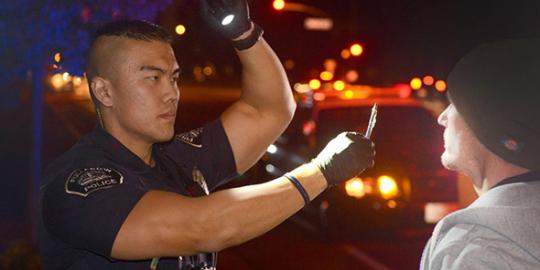
Drug Recognition Expert Section (DRE)
The Drug Recognition Expert (DRE) Section provides a unique opportunity for those professionals associated with drug recognition to share common management, training, administrative and practicing...
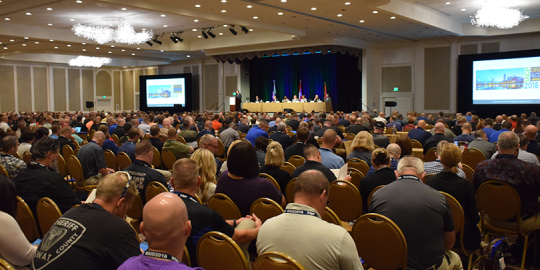
IACP Impaired Driving and Traffic Safety (IDTS) Conference
This conference provides certified drug recognition experts, traffic safety professionals, prosecutors, and others with a forum in which to share information, countermeasures, and best practices...
Find a State Coordinator
 | Contact information for each state DEC Program coordinator can be found by selecting the state below. |

Alabama
Corporal Paul Thompson
Alabama State Police
1005 Charles Byrd Blvd
Selma, AL 36703
Phone: (334) 334-865--688
Email: Paul Thompson

Alaska
Lieutenant Daron Cooper
Alaska State Troopers
5700 East Tudor Road
Anchorage, AK 99507
Telephone: (907) 301-4567
Email: Daron Cooper

Arizona
Officer George Chwe
Mesa Police Department
Arizona Governor’s Office of Highway Safety
PO Box 1466
Mesa, AZ 85211
Phone: (480) 644-2100 ext 18171
Email: [email protected]
Also visit the Arizona Governor's Office of Highway Safety

Arkansas
Kimberly Hendricks
Criminal Justice Institute
University of Arkansas
26 Corporate Hill Drive
Little Rock, AR 72205
Phone: (501) 570-8041
E-mail: [email protected]

California
Sergeant Gary Martens
California Highway Patrol
601 N 7th Street, Sacramento, CA 95811
Phone: (916) 843-4370
Email: Sergeant Gary Martens

Colorado
Mark Ashby
2829 W. Howard Place, 5th Floor
Denver, CO 80204
Phone: (303)503-4704
E-mail: Mark Ashby
More information is available at the Colorado Department of Transportation.

Connecticut
Robert Klin
CT DOT Highway Safety Office
PO Box 31756
Newington, CT 06131-7546
Phone:(860) 594-2386
Fax:(860) 594-2374

District of Columbia
George Kucik
60 Florida Ave, NW, 2nd Floor
Washington, DC 20002
Phone: (202) 497-1415
E-mail: George Kucik

Florida
Tim Cornelius
Institute of Police Technology and Management
University of Florida
12000 Alumni Drive
Jacksonville, FL 32224-2645
Phone: (904) 620-3211
E-mail: Tim Cornelius
More information can be found at the Institute of Police Technology and Management.

Georgia
Charles "Randy" Evans
Georgia Police Academy GPSTC
1000 Indian Springs Drive
Forsyth, GA 31029
Phone: (770) 652-4316
E-mail: Randy Evans

Hawaii
Karen Kahikina
Hawaii Department of Transportation
98-339 Ponohana Place
Alea, HI 96701
Phone:(808) 587-2355
Fax:(808) 587-6303
E-mail: Karen Kahikina

Idaho
Sergeant Chris Glenn
Statewide Impaired Driving Coordinator
Idaho State Police
700 South Stratford
Meridian, ID 83680-0700
Phone: (208) 884-7212
Fax: (208) 884-7092
Cell: (208) 559-4130
E-mail: Sergeant Chris Glenn

Illinois
Mike Pappas
Illinois Highway Safety Office
101 Hawthorn Estates
Salem, IL 62881
Cell: (618) 218-3736
E-mail: Mike Pappas

Indiana
Marshall Depew
Indiana Criminal Justice Institute
101 W Washington Street East Tower Suite 1170
Indianapolis, IN 46204
Phone: (317) 608-8826
E-mail: Marshall Depew

Iowa
Brad Walter
Iowa Governor’s Traffic Safety Bureau
215 East 7th Street, 3rd Floor
Des Moines, Iowa 50319
PHONE: (515)393-8659
Email: Brad Walter
More information is available from the Iowa Department of Public Safety.

Kansas
Lt. Carson Nuss
Kansas Highway Patrol
2025 E. Iron Ave
Salina, KS 67401
Phone: (316) 251-1399
E-mail: Carson Nuss

Kentucky
Rob Warfel
Kentucky Office of Highway Safety
200 Mero Street, 4th Floor
Frankfort, KY 40601
Phone: (502) 545-6120
E-mail: Rob Warfel

Louisiana
Master Trooper Jared David
Louisiana State Police
7901 Independence Blvd.
Baton Rouge, LA 70806
Phone: (225) 925-3710
E-mail: Jared David

Maine
Don Finnegan
Maine Criminal Justice Academy
15 Oak Grove Road
Vassalboro, ME 04989
Phone: (207) 877-8014
Fax: (207) 877-8027
E-mail: Don Finnegan

Maryland
Sgt Wayne Koch
Maryland State Police
1201 Reisterstown Rd.
Pikesville, MD 21208
Phone: (410) 653-4319
Email: [email protected]

Massachusetts
Peter Buck
Massachusetts Municipal Training Committee
42 Thomas Patten Dr
Randolph, MA 02368
Phone: (978)257-1407
E-mail: [email protected]
More information is available at the Massachusetts DRE website.

Michigan
James "Jim" Janes
Michigan State Police
7426 North Canal Road
Lansing, MI 48909
Phone: (269) 921-5666
Email: Jim Janes

Minnesota
Sergeant Tyler Milless
Minnesota State Patrol
2055 N Lilac Drive
Dimondale, MN 48921
Email: Tyler Milless
More information is available at the Department of Public Safety's DRE Page.

Mississippi
Chief Joel Spellins
Sherman Police Department
Oxford, MS 38688
Phone: (662) 871-1791
Email: Chief Joel Spellins

Missouri
Joanne Kurt-Hilditch
Missouri Safety Center
UCM Dockery, Room 301H
Warrensburg, MO 64093
Office: (660) 543-4213
E-mail: Joanne Kurt-Hilditch
More information is available at the Missouri Safety Center's DRE page.

Montana
Sergeant Lucas Herl
Montana Highway Patrol
18 Trooper Dr
Boulder, MT 59632
Phone: (406) 422-8660
E-mail: Lucas Herl

Nebraska
Dustin Stewart
Nebraska Highway Safety Office
5001 South 14th Street
Lincoln, NE 68512
Phone: (402) 471-3880
E-mail: Dustin Stewart

Nevada
Deborah Huff
Nevada Department of Public Safety
Office of Traffic Safety
6830 S. Bermuda Rd
Las Vegas, NV 89118
Phone: (702) 528-2278
E-mail: Deb Huff

New Hampshire
David Martinelli
NH Office of Highway Safety
33 Hazen Dr
Concord, NH 03301
Phone: (603) 395-6455
David Martinelli

New Jersey
Sergeant Dave Napolitano
NJ State Police Technology Campus
1200 Negron Drive Suite #400
Hamilton, NJ 08619
Phone:(609) 203-8361
Email: Dave Napolitano

New Mexico
Charlie Files
PO Box 117
Los Lunas, NM 87031
Office: (505) 908-2803
E-mail: Charlie Files

New York
Renée Borden
New York State Department of Motor Vehicles
6 Empire State Plaza, Room 410B
Albany, NY 12228
Phone: (518)486-6718
E-mail: Renee Borden
For more information, please contact:
Renee Borden
(518)486-6718
More information is available at the New York DRE website.

North Carolina
Lori Brown
Forensic Tests for Alcohol
1922 Mail Service Center
Raleigh, N.C. 27699-1922
Phone: (919) 665-1144
Email: Lori Brown

North Dakota
Trooper Tarek Chase
North Dakota Highway Patrol
601 Channel Drive
Bismark, ND 58501
Phone: (701) 220-6671
E-Mail: Trooper Tarek Chase

Ohio
Sergeant Sam Criswell
Ohio State Highway Patrol
1970 W. Broad Street
Columbus, OH 43223
Phone: (614) 312-7481
Email: Sam Criswell

Oklahoma
Aaron Nickell
Oklahoma Highway Patrol
2480 W I-240 Service Road
Oklahoma City, OK 73159
Phone: (405) 999-2884
Email: Aaron Nickell

Oregon
Ryan Clarke
Oregon State Police
3565 Trelstad Ave, SE
Salem, OR 97317
Phone: (541) 709-1675
Email: Ryan Clarke

Pennsylvania
Dave Andrascik
Pennsylvania DUI Association
2413 North Front Street
Harrisburg, PA 17110
Phone: (717) 238-4354
Email: David Andrascik

Rhode Island
Rick Sullivan
Law Enforcement Highway Safety Training Coordinator
1762 Louisquisset Pike
Lincoln, Rhode Island 02865
Phone:(401) 722-5808
Email: Rick Sullivan

South Carolina
Jack Johnson
South Carolina Criminal Justice Academy
540 Broad River Road
Columbia, SC 29212
Phone: (803) 896-7926
Email: Jack Johnson

South Dakota
Sergeant Isaac Kurtz
South Dakota Highway Patrol
1041 N. Lincoln Ave
Madison, SD 57042
Phone: (605) 480-3361
Email: Sergeant Isaac Kurtz

Tennessee
Tony Burnett
300 Murfreesboro Rd
Woodbury, TN 37190
Phone: (615) 559-7849
E-mail: Tony Burnett

Texas
Carlos Champion
TMPA
6300 La Calma Dr Suite 450
Austin, TX, 78752
Phone: (956) 289-6543
E-mail: Carlos Champion

Utah
Corporal Sergio De Leon
State DEC Coordinator
UT Highway Patrol/Training
410 West 9800 South
Sandy, UT 84070
Phone: (650) 296-8329
Email: Sergio De Leon

Vermont
John Flannigan
Criminal Justice Training Council
6 Rustic Drive
Essex Jct., VT 05452
Phone: 802-999-7685
Email: John Flannigan
More information is available at the Vermont Governor's Highway Safety Program's DRE Website.

Virginia
Matthew A. Okes
Virginia State Police
7700 Midlothian Tpk
Richmond, VA 23235
Phone: 804-674-2255
Email: Matthew Okes

Washington
Sgt. Anthony Califano
Washington State Patrol
811 E Roanoke St
Seattle, WA 98102
Phone (425) 626-0204
E-mail: Anthony Califano

West Virginia
Officer Joey Koher
Huntington Police Department
675 10th Street
Huntington, WV 25701
Phone: (859)200-0229
Email: Joey Koher

Wisconsin
Steve Krejci
Milwaukee Police Department
10300 W. Juniper Street
Milwaukee, WI 53224
Phone: (414) 550-0979
Email: Steve Krejci

Wyoming
Lt. Evan Storch
Laramie County Sheriff's Office
1910 Pioneer Ave
Cheyenne, WY 82001
Phone:(307) 640-9054
Email: Evan Storch

Canada
Sgt. Brian Ferguson
RCMP
73 Leikin Drive
M3-3 Mailstop #8
Ottawa, Ontario, K1A0R2, Canada
Phone: 613-843-6748
Email: Sgt. Ferguson
RESOURCES FOR STATE COORDINATORS
State DEC Program Coordinators can access secure resources for the proper administration of their impaired driving enforcement programs.This site is password protected and is restricted for state coordinators only.
WHAT’S NEW
TAP Vacancy/Applications being accepted
The IACP Technical Advisory Panel (TAP) currently has a vacancy for the POST (Police Officer Standards and Training) Academy Representative position.
This position is to represent POST Academy training institutions which are involved in supporting and providing DEC Program Training and related classes such as SFST and ARIDE.
Prospective applicants should be able to attend two TAP meetings per year and be capable of fulfilling the following duties: 1) the ability to complete TAP-related tasks thoroughly and in a timely manner; 2) attend regional and national DRE-related training, if possible, to maintain knowledge in the Drug Evaluation and Classification (DEC), Advanced Roadside Impaired Driving Enforcement (ARIDE), and Standardized Field Sobriety Testing (SFST) programs; 3) maintain familiarity with the International Standards of the DEC, ARIDE, and SFST programs; 4) conduct their relevant professional duties in compliance with International Standards; and 5) provide expertise in their daily duties. The applicant must also have total support from the applicant’s employer to be an active TAP member to accomplish the mission, responsibilities, and goals of TAP. Travel funding for U.S. members to attend the two TAP meetings each year is available from IACP through a grant from the National Highway Traffic Safety Administration. The appointee will serve out the remaining term of this position through December 2026. The appointee would also be eligible to apply for reappointment at that time.
Individuals interested in applying should email Jim Maisano, IACP TAP Liaison, providing their qualifications and a letter of support from their DECP state coordinator. The deadline to apply is April 30, 2026.
US Pedestrian Deaths Fall 11% in First Half of 2025
According to GHSA research, released March 2026, data showed the largest annual percentage decline since they began tracking pedestrian deaths 15 years ago.
Annual Drunk Driving Rates By State
The Consumer Affairs, Journal of Consumer Research released data regarding annual drunk driving rates by state. The data includes underage drunk driving arrest/dui arrest rates, traffic deaths involving a drunk driver, DUI arrest data by state and ranks states based on the information.
2024 Drugs and Human Performance Fact Sheets
The newly published Drugs and Human Performance Fact Sheets are now available.
Marijuana and Driving
Inside Edition recently aired a segment on cannabis impaired drivers, driving while or after smoking marijuana, and shed a positive light on the DRE program: How Dangerous Is It to Drive While High?
MADD Impaired Driving Toolkit
The MADD Impaired Driving Toolkit: A Law Enforcement Leader's Guide to Saving Lives is now available.
DRE Marketing & Recruiting Toolkit is now available!
This newly released toolkit has many resources for new DREs and agencies interested in establishing a DRE program as well as for those who have a longstanding in the DEC program. Resources include DRE leading practices, building DRE area partnerships, a model DRE policy, funding options for DEC programs, benefits of having a DRE as well as additional resources to starting and maintaining a DRE program at your agency. Additional information can be found under the DRE Marketing and Recruiting Toolkit tab.
Drug Use in Fatal Collisions 2000-2020
This new report from the Traffic Injury Research Foundation was released in August 2023 and examines the magnitude and trends regarding the role of drugs in motor vehicle fatalities in Canada during this 21-year period.
Nystagmus Among Suspected Amphetamine Impaired Drivers
The Journal of Forensic and Legal Medicine published a study from 507 amphetamine positive DUID cases and compared them to 485 alcohol only cases, where HGN was conducted. The study supports nystagmus is not a reliable indicator of amphetamine, supporting the ARIDE and DRE training.
NHTSA Announces the Launch of a New Training Class: Expert Insights: Testifying in Court as a Drug Recognition Expert
This course is designed to provide current DREs additional training related to testifying in court and provide them with resources to be better prepared and more confident when testifying at criminal trials, motion hearings, pre-trial conferences and other related hearings. The NHTSA course is offered through the COPS LMS and can be found here: The Office of Community Policing (COPS)
NTSB 2022 Study on Alcohol, Drugs, Impaired Driving and Crash Risk
In a recent study published by the National Transportation Safety Board (NTSB), researchers looked at the prevalence of multiple drugs and drug categories associated with impaired driving performance and increased crash risk. NTSB surmises that drug data in national-level databases can be difficult to estimate drug prevalence among drivers. Their study found that between 71% and 99% of drivers in the five populations studied tested positive for one or more potentially impairing drugs, and about half of the drivers tested positive for more than one category of drug. Alcohol and cannabis were the two most commonly detected drugs across all populations studied.
The DEA releases the 2022 Edition of DRUGS of ABUSE: A DEA Resource Guide
This is a comprehensive guide of the most commonly abused and misused drugs in the United States. It includes information about the harms and consequences of drug use including a drug's effects on the body and other key facts.
Driving Performance and Cannabis Users' Perception of Safety Clinical Trial
This January 2022 JAMA report consisted of a double blind, placebo controlled clinical trial assessing key driver simulator variables prior to smoking and at multiple points post smoking. Some key results identified driving decrements after smoked marijuana and consistent findings regarding impairment duration times taught in the DEC Program training.
Study results of Utah's .05% BAC Per Se Law
NHTSA conducted a comprehensive evaluation of the impacts of Utah lowering its per se law from .08 to .05% bac. A synopsis of the study can be found here.
Simultaneous Alcohol/Cannabis Use and Driving Under the Influence
This national study found that more than 40% of drivers using alcohol and cannabis reported driving under the influence of one or both substances.
Effects of High-Potency Cannabis on Psychomotor Performance in Frequent Cannabis Users
Recently increased access to cannabis products in the United States has been associated with increased rates of driving after cannabis use. This study examined the psychomotor impairment-related effects experienced by frequent cannabis users in Colorado after naturalistic consumption of smoked cannabis.
The Failings of Per Se Limits to Detect Cannabis-Induced Driving Impairment: Results From a Simulated Driving Study
Research continues to support that per se limits are not reliable or consistent indicators of impairment levels in cannabis DUI cases.
The Cannabis Report: America's Perception on Consumption and Road Risk
This survey reports American's behaviors and attitudes toward marijuana use, impairment, and driving.
Cannabis Use Among Drivers in Fatal Crashes in Washington State Before and After Legalization
This AAA Foundation for Traffic Safety Research Brief reported the proportion of fatal-crash-involved drivers in Washington who are THC-positive has doubled since marijuana legalization.
2024 DECP ANNUAL REPORT
The 2024 Annual Report contains information specific to each U.S. state's program and a summary of Canada's accomplishments in the calendar year.
Previous Years
DRE Marketing & Recruiting Tool Kit
This toolkit has many resources for new DREs and agencies interested in establishing a DRE program as well as for those who have a longstanding within the DEC Program. Resources include why your agency should have a DRE and benefits they can provide, leading practices for identifying DRE candidates within an agency, building DRE area partnerships, a model DRE policy, funding options for DEC programs, some high-level court decisions supportive of DREs as experts as well as additional resources for starting and maintaining a DRE program.
Learn More
Drug Recognition Experts (DREs)
Regional Coordinators
Program Oversight
State Coordinators
IACP State DRE Websites
Drugged Driving Research
DRE Instructors
DRE Training
DREs as Community Resources
Medical Impairment
Additional DRE Resources
DRE FAQs
CONTACT US
If you have questions regarding the Drug Evaluation and Classification (DEC) Program, the Drug Impairment Training for Educational Professionals (DITEP), or other impaired driving training, please contact us at:
Jim Maisano
Project Manager - National
P.O. Box 721662
Norman, OK 73072
Telephone: 703-647-7257
Joe Abrusci
Project Manager - Eastern Region
P.O. Box 438
Flanders, NJ 07836
Telephone: 703-647-7258
Jim Maisano
Project Manager - Central Region
P.O. Box 721662
Norman, OK 73072
Telephone: 703-647-7257
Robert Hayes
Project Manager- Western Region
44 Canal Center Plaza, Suite 200
Alexandria, VA 22314-2357
Telephone: 703-647-7374
Nuyiri Kasbarian
Project Coordinator
44 Canal Center Plaza, Suite 200
Alexandria, VA 22314-2357
Phone: 703-647-7219
Christine Frank
Highway Safety Specialist, NHTSA
Enforcement & Justice Services
NTI-122 / W44-231 1200
New Jersey Ave. S.E. Washington, DC 20590
Telephone: 202-366-0543
The Iraq Police Education Program (IPEP)
The Iraq Police Education Program (IPEP) was a cooperative effort from 2010 to 2015 between the U.S. Department of State, Bureau of International Narcotics and Law Enforcement (INL) and the International Association of Chiefs of Police (IACP) to expose visiting Iraq police officers to United States law enforcement training and policing techniques. Using classroom and field environments in police departments across the United States, the Iraqi police officers were trained in all aspects of policing to include patrol, crime scene investigation, and critical incident command leadership training. Although this program has ended, the effects of progressive law enforcement have been embedded in Iraqi policing techniques.
For more information, contact Faisal Ansari at [email protected]
About the IPEP Program
INL initially identified a need to expose senior Iraqi and Kurdish National Police to U.S. law enforcement techniques, policy, operations, and training. The goal of the program was to help provide them with the tools they need to professionalize their civil law enforcement institutions in Iraq. Specifically, they participated in training on leadership, critical incident, crime scene investigations, and field tactics management. A special emphasis was placed on classroom and field training on investigative techniques for evidence and forensic information collection, interviewing, and other techniques designed to afford suspects “due process.” In addition, they were given examples of effective community policing methods for engaging the local population, maintaining law and order through fair and impartial policing, and ensuring accountability to the citizens to build their trust, as a model for when they return home. Finally, they were provided with examples of how law enforcement departments work interdependently to ensure that suspect’s rights and the state’s interests are protected within legal frameworks through interviews of and interaction with these U.S. police personnel in their professional work environments.
IACP worked with over 35 state, local and federal partner law enforcement organizations to create an environment where the Iraqi, Kurdish and American participants could train and work together in a manner that encourages the free exchange of information, ideas and the establishment of professional and personal relationships. By shadowing officers in host police departments, and training with them on the street and in the classroom, the Iraqi and Kurdish officers got classroom learning and “hands-on” field training. By working and socializing together, we established trust between the host officers, the IACP staff and the Iraqi participants, laying a foundation that sustains the program in the future through the global reach of technology.
Project Deliverables:
To help cultivate and develop current and future leaders to affect change, the officers were trained in a behavioral science-based leadership development program (Leadership in Police OrganizationsSM) that IACP developed and is currently working with police departments in 32 states and Canada to deliver. The LPOSM Program, the origins of which are at the U.S. Military Academy at West Point’s behavioral sciences department, focuses on giving leaders an understanding of how individuals are influenced, led, and motivated. It then teaches how groups form and develop, make decisions, and how change can be implemented using this knowledge of individual and group development. Armed with this information, the participants will have additional tools to return to Iraq and increase accountability, motivation, and satisfaction of their personnel, while implementing critical changes to Iraqi civil policing. The participants also received ten total days of training (six days of the leadership training, two days of critical incident and or tactical training management and two days of crime scene management) and participate in ride-a-longs and community meetings with the hosting agency. They also received lab and fusion center tours.
An added benefit to the program was derived from the Iraqi police officers exposure to the U.S. culture and development of interpersonal relationships with our citizens. Often arriving with very negative images of our way of life, these officers returned home with a new perspective of the U.S. that they were able to relate to their families, friends and fellow officers.
During the period of performance (2010-2015), IACP trained 170 Iraqi officers with the help of numerous law enforcement agencies across the USA.
The role of community in policing in homeland security and preventing radicalization to violence
The Role of Community Policing in Homeland Security and Preventing Radicalization to Violence (CVE) project goal is to increase the capacity of local, state, and tribal law enforcement agencies to effectively counter extremist ideologies by educating communities about the use of the Internet and social media to promote radicalization to violence. The project focuses on using community policing strategies and partnering with community members to develop problem-solving approaches to identify, prevent, and counter extremist websites and narratives intended to radicalize people in disengaged communities. In addition, the project will provide law enforcement agencies with resources that highlight how the Internet and different social media sites are being used by violent extremists and a leading practices guide that will overview how law enforcement agencies have successfully implemented such programs in their communities and will disseminate that knowledge to keep communities engaged and aware of the role they play in countering violent extremism.
This page will serve as a clearinghouse of resources for law enforcement agencies related to countering radicalization to violence and the use of community policing strategies to do so.
Resources
Awareness Briefs
Publications
Using Community Policing to Counter Violent Extremism: 5 Key Principles for Law Enforcement
IACP Brief - Countering Violent Extremism
A Resource Guide to Improve Your Community's Awareness and Reporting of Suspicious Activity
Building Communities of Trust: A Guidance for Community Leaders
Improving the Public's Awareness and Reporting of Suspicious Activity
Multimedia
Additional Resources
IACP Committee on Terrorism Resources
The IACP Committee on Terrorism has released resources to assist state, local, and tribal law enforcement agencies in developing strategies to provide an overview about radicalization, to reach out and engage their communities, and highlights different types of terrorists including foreign fighters and lone wolves.
HSIN Portal
The Department of Homeland Security (DHS), in partnership with the Federal Bureau of Investigation (FBI) and the IACP, has launched a Countering Violent Extremism (CVE) and Active Shooter (AS) Training Resource web portal on the Homeland Security Information Network (HSIN). The purpose is to provide federal, state, local, tribal, territorial, and correctional law enforcement with the most current CVE training materials, case studies, analytic products, and other resources. The materials on the portal are restricted for law enforcement training use only and will contain unclassified/FOUO/LES information. To request access to the Joint CVE Portal, click on the image below, that will open your default email provider. In the subject line, write “CVE-AS Portal Request.” In the body of the email, please provide your full name, place of employment, job title, work email address, work phone number, and a short description of how your job relates to CVE and/or AS.

Contact
Training Program on Enhancing Rural Law Enforcement Response to Violence Against Women
The IACP’s Enhancing Rural Law Enforcement Response to Violence Against Women training and resources provide promising practices specifically tailored to the barriers and challenges that law enforcement in rural communities may face in responding to domestic violence, sexual assault, stalking, and strangulation. Responding rural agencies may have limited personnel, resources, and community services, and be required to patrol expansive geographic areas, which can inhibit response time and limit emergency services.
Virtual Trainings
Webinar Series - Enhancing Rural Law Enforcement Response to Violence Against Women
This webinar series provides information and strategies to address common misconceptions and frustrations that officers in rural jurisdictions may encounter when responding to cases of intimate partner violence. Click here to access the webinar series.
Officer and Victim Safety Quick Hits
Access the recording here
Access the transcript to the recording here.
Protection Order Enforcement Quick Hits
Access the recording here.
Access the transcript to the recording here.
Future Training Events
Police Academy Train‐the‐Trainer: Considerations for Small Agency and Rural Response to Violence Against Women
This 4-session, interactive virtual training for law enforcement academy instructors will instill deeper understanding of response to violence against women crimes, and the unique challenges that rural and small agencies may experience in responding to these crimes. Additionally, the training will incorporate adult learning principles so you can effectively conduct training for your agency members.
To register and for more information regarding the course content and schedule, visit https://form.jotform.com/211755663360052.
For more information on the training events or the initiative, please email [email protected].
For more information on the training events or the initiative, please email [email protected].
The IACP’s Enhancing Rural Law Enforcement Response to Violence Against Women Project has been funded by the Department of Justice, Office on Violence since 2017.
Related projects
Police Response to Violence Against Women - VAW
Trauma Informed Sexual Assault Investigations
Identifying and Preventing Gender Bias: A Law Enforcement Leader’s Role and Response
Anti-Human Trafficking Training and Technical Assistance
National Law Enforcement Leadership Initiative on Violence Against Women
Law Enforcement-Based Victim Services (LEV)
Law Enforcement’s Role in Victim Compensation
Vicarious Trauma Response Initiative
Law Enforcement Response to Domestic and Sexual Violence and COVID-19
On April 23, 2020, the IACP hosted a Virtual Roundtable on COVID-19 and Law Enforcement Response to Domestic and Sexual Violence. Below is...
Translating Crime Reduction Best and Emerging Practices for Small and Rural Agencies
Project Description
Often small and rural police agencies do not have access to the same level of support, resources, and training opportunities as their larger, urban peers. These constraints can have a real impact on an agency's ability to identify and implement best practices for effectively reducing crime in their smaller or more rural jurisdictions. Most research focuses on police strategies and training programs for large, urban agencies, meaning that small, rural, and tribal agencies have difficulty accessing training and resources that address the specific challenges and needs of their communities.
Collaborating with the COPS Office and George Mason University's CEBCP, IACP is committed to supporting small, rural, and tribal police leaders and agencies by:
- Identifying evidence-based and emerging practices in crime reduction,
- Providing resources to translate best and emerging practices into actionable strategies, and
- Promoting the identified best and emerging practices to a broad audience of small, rural, and tribal law enforcement leaders.
Though small, rural, and tribal agencies face certain challenges, they possess unique benefits and strengths compared to their large, urban counterparts. Many small and rural agencies are highly effective at crime response and maintain higher clearance rates for property and violent crime than urban agencies due to their close relationships with the community. Officers in small, rural, and tribal agencies develop a variety of skills that larger agencies devote specific units to, such as narcotics, school resource officers, and other specialized roles. Officers in these agencies often fulfill many roles as needed within their communities. Further, small and rural departments are highly flexible and adaptable, particularly in balancing their formal and informal responses to crime, due to their close ties to their communities. These three benefits can enhance departments' adoption and implementation of effective crime reduction strategies.
Strategies for Small, Rural, and Tribal Agencies
Taking advantage of these strengths, IACP, COPS, and CEBCP have collected evidence-based and emerging practices in crime reduction, including practices that have specifically been identified as particularly effective for small, rural, and tribal agencies, and developed resources outlining how to adapt them into actionable strategies. Some examples are:
- Hot spots policing to reduce traffic accidents, fatal crashes, driving under the influence offenses, and property crimes.
- Community police engagement to improve communications and relationships between law enforcement and the public through social media.
- Problem-oriented policing strategies to address repeat offenders and the opioid epidemic.
Evidence-Based Crime Reduction Strategies for Small, Rural, and Tribal Agencies
Project Outcomes
- Conducted a literature review of crime reduction strategies for small, rural, and tribal departments on contemporary, comprehensive, and emerging evidenced-based and best practices.
- Facilitated focus groups with various small, rural, and tribal police leaders to better understand the unique and nuanced goals, strengths, and challenges of these departments and their communities.
- Developed a guidebook with information on crime reduction and public safety strategies tailored specifically to small, rural, and tribal agencies’ needs.
- Created an online training course on evidence-based and emerging practices for place-based crime reduction strategies and translates them into actional approaches tailored to small and rural agencies. Access the training here.
More Resources
Modern Policing
Practices in Modern Policing: Policing in Small, Rural, and Tribal Communities Video
Policing in Small, Rural, and Tribal Communities
Smaller Agency Best Practices Guides
Police Chiefs Desk Reference: A Guide for Newly Appointed Police Leaders
Promising Practices in Tribal Community Policing
Community Police Engagement
Community Police Engagement Resource Page
Police Communication Strategies for Navigating Difficult Dialogues Webinar
Community Safety Policy Council Webinar
Protecting Civil Rights: A Leadership Guide for State, Local, and Tribal Law Enforcement
Tribal Community Policing Resource Page
Crime and Violence
Improving Safety in Indian Country
Training Program on Enhancing Rural Law Enforcement Response to Violence Against Women
Relevant Committees and Membership Sections

This project was supported, in whole or in part, by federal award number 2019CKWXK010 awarded to the International Association of Chiefs of Police by the U.S. Department of Justice., Office of Community Oriented Policing Services. The opinions contained herein are those of the author(s) or contributor(s) and do not necessarily represent the official position or policies of the U.S. Department of Justice. References to specific individuals, agencies, companies, products, or services should not be considered an endorsement by the author(s), contributors, or the U.S. Department of Justice. Rather, the references are illustrations to supplement discussion of the issues.
The Internet references cited in this publication were valid as of the date of this publication. Given that URLs and websites are in constant flux, neither the author(s) nor the COPS Office can vouch for their current validity.
Trauma Informed Sexual Assault Investigations
The IACP has partnered with the Department of Justice, Office on Violence Against Women (OVW) since 2014 to provide resources, training, and technical assistance on trauma informed sexual assault investigations to law enforcement and other criminal justice system professionals.
Approximately 1 in 3 women and 1 in 6 men have experienced sexual violence in their lifetime. However, around 67.5% of rape/sexual assault victims do not report their victimization to police.
At present, crimes of sexual assault go vastly under reported and perpetrators continue undetected. The goal of these resources is to strengthen the capacity of law enforcement to provide effective response to victims of sexual assault while simultaneously holding offenders accountable.
IACP Resources
Trauma Informed Sexual Assault Investigation Training CurriculumThis training curriculum serves as a resource to assist instructors in creating and facilitating trainings on conducting trauma informed sexual assault investigations. The training curriculum is designed so that the length of the training can be adapted to different training needs. It provides guidance on relevant training content, suggested activities, facilitation strategies, and instructor talking points. |
Successful Trauma Informed Victim InterviewingThis document demonstrates how trauma-informed interview techniques can be used to reframe interview questions that may be perceived by a victim as blaming them for their actions in a manner that helps victims retrieve memories from a traumatic event and assists law enforcement in gathering more information while making the victim feel more supported. |
The Impact of Trauma: A Trauma-Informed Lens and Response WebinarThis webinar discusses how traumatic experiences can impact victim memory, reactions and behavior, and the implications of this for first responders’ and investigators’ interviews and investigations. This information is also relevant for any incident where a traumatic event has occurred such as a car accident or burglary. Please create a free account with IACPlearn to view. |
Drug/Alcohol-Facilitated Sexual Assault (DFSB) WebinarThis webinar will address the complexities of sexual assault cases facilitated by drugs and/or alcohol and provide investigative strategies that better support victims as they recall details of the assault and that obtain more evidence to better hold perpetrators accountable. Please create a free account with IACPlearn to view. |
Bringing Sexual Assault Offenders to Justice Roll-Call Training VideoThe goal of this video is to help officers generate stronger cases by reframing sexual assault crimes, providing tools to conduct perpetrator focused investigations, and building an understanding of victim behavior. |
Sexual Assault Incident Reports: Investigative StrategiesThese guidelines and interview strategies are based upon national best practices regarding sexual assault incident investigations and were developed in collaboration with local, state, and federal law enforcement, prosecutors, advocates, medical, and forensic professionals. |
Sexual Assault Supplemental Report FormThe Sexual Assault Supplemental Report Form is to be used for the reporting, recording, and investigation of all sexual assault incidents. |
Sexual Assault Incident Reports: Pocket Tip CardThis pocket tip card for officers is a convenient, portable resource to accompany the IACP's Sexual Assault Incident Reports: Investigative Strategies. |
Sexual Assault Response Policy and Training Content GuidelinesThis document provides content to support agencies in developing sexual assault policies and training curricula. |
Responding to Sexual Violence in LGBTQ+ Communities: Law Enforcement Strategies and ConsiderationsThis document provides agencies with strategies for effectively responding to sexual violence in LGBTQ+ communities. |
Additional Resources
Dr. Rebecca Campbell (BJA)
The following webinar series features Dr. Rebecca Campbell, a Professor of Psychology at Michigan State University presenting for the BJA Sexual Assault Kit Initiative Training and Technical Assistance (SAKITTA) project. She presents on the neurobiology of traumatic events, its emotional and physical manifestation, and how these processes can impact the investigation and prosecution of sexual assaults. The webinar series is located at: https://sakitta.org/toolkit/index.cfm?fuseaction=tool&tool=48
Dr. David Lisak (ACASA), Neurobiology of Trauma Presentation
Dr. Rebecca Campbell (Joyful Heart Foundation), Article on Fight, Flight, or Freeze Response (Tonic Immobility)
Anna Möller, Hans Peter Söndergaard, Lotti Helström, Study on Tonic Immobility During Sexual Assault
Citations
1. The Center for Disease Control (CDC), The National Intimate Partner and Sexual Violence Survey: 2010-2012 State Report, 2016. https://www.cdc.gov/violenceprevention/pdf/NISVS-StateReportBook.pdf
2. Jennifer L. Truman, and Rachel E. Morgan, Criminal Victimization, 2015, U.S. Department of Justice, Office of Justice Programs, Bureau of Justice Statistics, 2016, https://www.bjs.gov/content/pub/pdf/cv15.pdf.
Contact:
If you need technical assistance on this topic, please contact [email protected].
Related Projects
Police Response to Violence Against Women - VAW
National Law Enforcement Leadership Initiative on Violence Against Women
Proactive Approaches to Domestic and Sexual Violence
Law Enforcement’s Role in Victim Compensation
Sexual Assault Kit Initiative
Law Enforcement-Based Victim Services (LEV)
Training Program on Enhancing Rural Law Enforcement Response to Violence Against Women
Vicarious Trauma Response Initiative
Law Enforcement Response to Domestic and Sexual Violence and COVID-19
On April 23, 2020, the IACP hosted a Virtual Roundtable on COVID-19 and Law Enforcement Response to Domestic and Sexual Violence. Below is...
Anti-Human Trafficking Training and Technical Assistance
Tribal Police Resources
About
The IACP supports tribal police agencies in enhancing public safety, building trust with their communities, and promoting officer wellness. Strong partnerships between tribal communities and law enforcement are essential to addressing complex challenges and fostering culturally informed policing.
This page features resources and training opportunities tailored to tribal jurisdictions, including national data initiatives, volunteer engagement programs, evidence-based crime reduction strategies, and human trafficking response tools. These materials highlight what makes policing in tribal and indigenous communities unique, showcase effective strategies, and offer guidance for implementing sustainable, culturally respectful policing practices.
Resources
Census of Tribal Law Enforcement Agencies (CTLEA)
Volunteer Engagement for American Indian and Alaska Native Missing Persons Cases
Evidence-Based Crime Reduction Strategies
Profiles in 21st Century Tribal Policing: Innovation and Tradition in Tribal Communities
Practices in Modern Policing: Policing in Small, Rural, and Tribal Communities
Three Strategies to Enhance Tribal Community Policing
Promising Practices in Tribal Community Policing
Webinar Series
Human Trafficking in American Indian and Alaska Native Communities
21st Century Communication Strategies to Support Community and Police Dialogue
Hiring in the Spirit of Service and Tribal Tradition
Information Sharing: Working with Tribal, Local, State and Federal Partners to Improve Communication and Data Sharing
Strategies for Improving Cultural Awareness for Law Enforcement in and Around Indian Country
Other Related Resources
Indian Country Law Enforcement Section
Collaborative Reform Initiative Technical Assistance Center (CRI-TAC)
Community Policing Directory
About the Directory
The Community Policing Directory highlights the emerging practices and programs in 21st Century Policing. The directory gives agencies access to programs that currently exist in your state or...
Vicarious Trauma Response Initiative
There is growing awareness that individuals responsible for responding to, and addressing, the needs of victims of crime in various professional capacities may experience vicarious trauma due to their work-related trauma exposure. This can result from both daily, chronic exposure to victims of crime, and through response to mass violence incidents that capture wider attention.
Resources and Training Opportunities
|
|
|
VTRI Virtual Training
VTRI Monthly Training Series
The VTRI Monthly Training Series is a collection of webinars conducted throughout the VTRI project available at no cost through IACPlearn. The series includes webinars on the following topics:
- Strategies to Address Barriers in Community Vicarious Trauma Collaborations
- Building a Trauma Informed Police Department Through Community Collaboration
- Creating a Vicarious Trauma-Informed Organizational Culture
- Trauma-Informed Law Enforcement Supervision
- The Critical Role of Middle Management in Implementing a Vicarious Trauma-Informed Workplace
- The Implications of Work-Related Traumatic Exposure in Courts
- Cultivating Partnerships to Support Systemic Resilience: An Emergent Approach to Trauma in the Judicial System
Additional Resources and Webinars
- Exploring Vicarious Trauma as a Community: The purpose of this training is to lay the foundation for a common understanding of vicarious trauma, as well as shared language describing the negative and positive reactions to work-related trauma exposure. It explores individual and organizational impacts, strategies to mitigate the negative impact of vicarious trauma, and the organizational pillars of a healthy and vicariously trauma-informed organization that enables it to explore higher levels of responsiveness.
- Brown Bag — The Neuroscience of Trauma for Dummies: Hosted by the Missoula site, this webinar presented by Dr. Colter Ellis focuses on a practical and straightforward overview of the neurophysiology of trauma. This training pays special attention to how working with traumatized populations can disrupt the autonomic nervous system and how that “secondary trauma” can impact an individuals health and relationships.
- Brown Bag — Collaboration: Strengthening Partnerships and Ourselves: Hosted by the Denton site, this webinar aims to inform participants about how multidisciplinary, collaborative partnerships can help mitigate vicarious trauma within organizations, and provides tips for creating and strengthening said partnerships. The webinar also discusses how these partnerships and the mitigation of vicarious trauma not only helps the wellbeing of providers, but also service provision to victims.
- Brown Bag — Trauma-Informed Supervision: Hosted by the Salt Lake City site, this Trauma Informed Supervision Lunch & Learn focuses on the basics of trauma-informed supervision, why it is vital for supervisors to be trauma-informed, and tools for supervisors to begin using immediately as they interact with staff.
- Brown Bag — Psychological First Aid: Hosted by the Kitsap site, this webinar covers the topic of Psychological First Aid and how secondary trauma impacts the entirety of the human service worker, and provides strategies to assist in engaging secondary trauma and resilience building.
COVID-19 Listening Sessions
2020 Listening Sessions
IACP Virtual Listening Session on Policing in the Time of COVID-19
IACP Virtual Listening Session on Victim Advocacy, Vicarious Trauma and the Impact of COVID-19
2021 Listening Sessions
IACP – VTRI – Insight Gained on Victim Advocacy, Vicarious Trauma, and the Impact of COVID-19
IACP - VTRI - Insight Gained on Policing, Vicarious Trauma, and the Impact of COVID-19
IACP - VTRI - Insight Gained on Fire and EMS Response, Vicarious Trauma, and the Impact of COVID-19
Other Online Resources
The Vicarious Trauma Toolkit (VTT) is an OVC-funded toolkit that focuses on organizational responses to work-related trauma exposure.
The Vicarious Trauma—Organizational Readiness Guide (VT–ORG) is a tool created as a part of the VTT to help assess an organization's capacity to address vicarious trauma within their organization and discover their organization's needs.
The Initiative
This initiative, funded by the Department of Justice, Office of Justice Programs, Office for Victims of Crime (OVC), provides dedicated resources, training and technical assistance to 12 communities seeking to build interdisciplinary, cross-agency collaborations to assess and address the impact of vicarious trauma on their respective staff. The goal of the Vicarious Trauma Response Initiative (VTRI) is to identify and develop skills and practices needed to promote healthy, comprehensive, and sustained collaborative approaches that buffer and mitigate the negative effects of vicarious trauma.
Community Implementation Sites
Anniston, AL
- Lead: 2nd Chance, Inc.
- Partners: The District Attorney's Office of the 7th Judicial Circuit, Calhoun Cleburne Children's Center, Starting Point - Sober Living Facility, Jacksonville State University OVW Project Partners, Office of Violence Against Women Campus Violence Project, Jacksonville City Police Department
Birmingham, AL
- Lead: One Place Metro Alabama Family Justice Center
- Partners: Jefferson County Sheriff's Office, YWCA Central Alabama, Jefferson County District Attorney, US Attorney for the Northern District of Alabama, Prescott House CAC, Crisis Center - Rape Response Program
Clackamas County, OR
- Lead: Clackamas Women's Services
- Partners: A Safe Place Family Justice Center, Clackamas County District Attorney's, Clackamas County Sheriff's Office, Legal Aid Society of Oregon & Victim Rights Law Center, Clackamas County Health, Children's Center, Parrot Creek, Clackamas County Juvenile Department, Safety Compass
Cleveland, OH
- Lead: Cleveland Clinic Police Department
- Partners: Case Western Reserve University Center of Trauma and Adversity, Cleveland Division of Police, Frontline Services
Denton, TX
- Lead: Denton County Friends of the Family
- Partners: The Colony Police Department, The Denton County Criminal District Attorney's Office
Kitsap County, WA
- Lead: Kitsap S.A.I.V.S.
- Partners: Port Orchard Police Department, Scarlet Road, Port Gamble/S'klallam Court Services Division (tribal victim services), Kitsap County Sheriff's Office, Bremerton Police Department, CHI Franciscan - Harrison Hospital, Turning Point
Maywood, IL
- Lead: Sarah's Inn
- Partners: Youth Crossroads, Village of Maywood Police Department, Loyola University
Missoula, MT
- Lead: Missoula City-County Relationship Violence Services Department
- Partners: Missoula County Sheriff's Office, Missoula Police Department, YWCA Missoula, Providence St. Patrick Hospital First Step Resource Center, Department of Health and Human Services, Child and Family Services, Missoula County Attorney's Office, All Nation's Health Center
Norman, OK
- Lead: Mary Abbott Children's House
- Partners: District 21 District Attorney's Office, Oklahoma Department of Human Services, Norman Police Department, Central Oklahoma Community Mental Health Center, Bethesda Non-Profit Sexual Abuse Counseling Services
Philadelphia, PA
- Lead: Philadelphia Children's Alliance
- Partners: Philadelphia Police Department - Special Victims Unit, Philadelphia Department of Human Services, Philadelphia District Attorney, St. Christopher's Hospital of Philadelphia
Salt Lake City, UT
- Lead: Division of Aging and Adult Services, Adult Protective Services
- Partners: Salt Lake City Police Department, Salt Lake Area Family Justice Center, Utah Pride Center, Center for Persons with Disabilities, Salt Lake City Fire Department, The Urban Indian Center
Washington, DC
- Lead: Network for Victim Recovery of DC
- Partners: DC Metropolitan Police Department, DC Forensic Nurse Examiners, DC Rape Crisis Center, Department of Forensic Sciences, Office of the Chief Medical Examiner
IACP is leading a collaborative partnership of diverse organizations and individuals to implement this project. The following four organizations, along with individual consultants with subject matter and training and technical assistance expertise, form the VTRI’s Oversight Team. They are responsible for key areas of responsibility as outlined below.

ICF International, Inc.
ICF will establish and facilitate a virtual Learning Collaborative (LC) by convening stakeholders from across the Sites to create a meaningful community of practice where peer learning sessions can guide Site action plans. ICF is expert at utilizing engagement activities, video, whiteboard, document sharing and other interactive tools to optimize cross-Site learning that helps each Site translate new knowledge into actionable skills and policy changes within the context of their organizations, multidisciplinary teams and communities.
National Children’s Advocacy Center
NCAC has demonstrated leadership and devoted considerable resources to educating diverse disciplines and multidisciplinary teams about secondary traumatic stress and how to create a culture of organizational wellness and support. NCAC’s focus is on creating comprehensive Wellness Plans that includes strategies at all levels of the organization and throughout staff and team members’ employment.
Northeastern University, Boston, MA
Northeastern University is the lead evaluator for this initiative, lending its expertise in research and evaluation and specific to the issue of vicarious trauma. Northeastern’s evaluators are providing technical assistance to the Sites on conducting electronic organizational and community partnership assessments, including the Vicarious Trauma Organizational Readiness Guide (VT-ORG) and analyzing data.
University of Oklahoma Health Sciences Center, Indian Country Child Trauma Center
The Indian Country Child Trauma Center provides a culturally enhanced model of Trauma Focused Cognitive Behavioral Therapy (TF-CBT) for American Indian and Alaska Native children and their families who have been exposed to trauma. Their expertise in addressing the needs of those providing services on American Indian reservations and in urban areas serving American Indian and Alaska Native communities will guide the VTRI’s overall implementation efforts and the training and technical assistance needed to ensure relevance and accessibility by Sites serving these populations.
Stakeholder Group
In addition to the above organizations, VTRI is partnering with national organizations that represent diverse professional disciplines and populations the project is seeking to include among its Community Implementation Sites. These organizations have agreed to lend their unique expertise in delivering training and technical assistance to Sites once selected.
- AEquitas
- DC Chapter Union of Black Episcopalians
- Esperanza United
- Forensic Committee, International Association of Chiefs of Police
- International Association of Forensic Nurses
- Montana State University, Department of Sociology and Anthropology, Center for American Indian and Rural Health Equity
- National Association of Judiciary Interpreters & Translators
- National Center on Domestic Violence, Trauma, & Mental Health
- National Council for Juvenile and Family Court Judges
- National Council on Interpreting in Health Care
- National Crime Victim Law Institute
- National Sexual Violence Resource Center
- Safe Horizon
- Trauma and Learning Policy Initiative
- Ujima, Inc: The National Center on Violence Against Women in the Black Community
- University of Montana, School of Social Work Center
- White Bison: An American Indian Non‐Profit Corporation
For more information, please email [email protected]
Sign up here to receive updates on the initiative.
Related Projects
Police Response to Violence Against Women - VAW
Trauma Informed Sexual Assault Investigations
Identifying and Preventing Gender Bias: A Law Enforcement Leader’s Role and Response
Law Enforcement-Based Victim Services (LEV)
Law Enforcement’s Role in Victim Compensation
Training Program on Enhancing Rural Law Enforcement Response to Violence Against Women
Vicarious Trauma Response Initiative
Anti-Human Trafficking Training and Technical Assistance
Law Enforcement Response to Domestic and Sexual Violence and COVID-19
On April 23, 2020, the IACP hosted a Virtual Roundtable on COVID-19 and Law Enforcement Response to Domestic and Sexual Violence. Below is...
This web page was produced by the International Association of Chiefs of Police under Cooperative Agreement 2019-V3-GX-K007 awarded by the Office for Victims of Crime, Office of Justice Programs, U.S. Department of Justice. The opinions, finding, conclusions, and recommendations expressed here are those of the author(s) and do not necessarily reflect the views of the Department of Justice.
Volunteers in Police Service (VIPS)

The VIPS Program provides support and resources for agencies interested in developing or enhancing a volunteer program. The program’s ultimate goal is to enhance the capacity of state, local, campus, tribal, and territorial law enforcement to utilize volunteers.
Find Resources
Police volunteer programs are locally-driven initiatives that may include administrative functions, skilled positions, explorer posts, chaplains, neighborhood watch, and citizens advisory boards. Whether your agency is in the planning stages or has an established law enforcement volunteer program, the national VIPS Program provides an array of no-cost products to assist in the engagement and management of police volunteers. We encourage you to take advantage of our publications, educational videos, and more.
VIPS Podcasts
VIPS Focus Series
Missing Persons: Volunteers Supporting Law Enforcement
Volunteers in Police Service Add Value While Budgets Decrease
Volunteers
Volunteers can be a valuable addition to any law enforcement agency by providing a variety of services at little cost to the agency. They allow...
Videos
Volunteers in Police Service: The Executive Perspective This seven-minute video introduces the concept of law enforcement volunteerism to law enforcement executives and local decision makers.
Introducing Volunteer Activities to Law Enforcement This 12-minute video, ideal for roll-call or academy training, introduces the role of volunteers to law enforcement personnel.
Introducing Law Enforcement Volunteerism to the Community This 13-minute video describes the breadth and scope of volunteer efforts in law enforcement agencies and the communities they serve. It can be used as a recruitment video at neighborhood watch or community group meetings and events.
Engaging Youth through Volunteerism This 10-minute video explains how youth and adult volunteers in law enforcement agencies can engage youths in their community.
VIPS and Disaster Response This eight-minute video demonstrates how law enforcement volunteers can help their communities prepare for and respond to disasters.
Community Involvement in Campus Safety This 11-minute video highlights the breadth and scope of volunteer efforts in college and university law enforcement.
Please contact our team for more information: [email protected].
Women's Leadership Institute (WLI)
The Women’s Leadership Institute (WLI) is a one-week in-person leadership training program for women leaders and those developing women leaders. The curriculum is focused on teaching participants evidence-informed leadership theories to help them inspire followers, lead groups, and achieve organizational goals—all in the context of better understanding the unique challenges women face in the workplace. Participants of this course have recommended the training not only for its delivery of tangible leadership strategies, but also for its outstanding networking opportunities and promotion of successful women in law enforcement.
Curriculum focus includes:
- Understanding Human Motivation
- Leading Teams, Organizations and Change
- Ethical Organizations
- Emotional Intelligence
- Networking and Mentorship
For information about hosting a WLI, please email [email protected].
Attend a WLI Course
The Women’s Leadership Institute (WLI) is a one-week leadership training program for women leaders and those developing women leaders.
Murfreesboro, TN (co-hosted with Murfreesboro Police Department
June 8- 12, 2026
Learn more and register.
Denton, TX (co-hosted with Denton Police Department)
July 27 - 31, 2026
Learn more and register.
Sacramento, CA (co-hosted with Sacramento Police Department)
August 10 - 14, 2026
Learn more and register.
Montrose, CO (co-hosted with Montrose Police Department)
August 10 - 14, 2026
Learn more and register.
Leesburg, VA (co-hosted with Loudoun County Sheriff's Office)
September 21 - 25, 2026
Learn more and register.
Boise, ID (co-hosted with Ada County Sheriff's Office)
September 28 - October 2, 2026
Learn more and register.
FAQs
Do I have to be a member to attend?
No, this session is open to all law enforcement (federal, local, state, and military) and public safety personnel. We do, however, encourage you to explore the benefits of IACP membership.
Who are the instructors?
We have an experienced and diverse cadre of instructors, both female and male, who are trained and certified IACP instructors for the WLI program. Our instructors are retired and active senior-level law enforcement professionals.
Can I receive POST certification?
We seek POST certification for each of the WLI’s within the U.S. in each state where the institute takes place. POST certification can vary widely from state to state; please speak with the Project Coordinator for your specific institute session.
Contact
For additional questions about registering for a WLI or hosting a WLI program, contact [email protected].
Host a WLI!
Interested in hosting a WLI at your agency? Here's some information you should know. To learn more about our leadership training opportunities, email [email protected]
- IACP provides two (2) instructors to deliver a 1-week WLI course. Class will take place all day during those 5 days.
- IACP covers all instructor expenses related to course facilitation.
- Maximum of 50 participants.
- Cost - $1500 per person
- Host receives a complimentary seat for every four paid seats.


