
Resources
IACP's resources are aimed at helping law enforcement executives do their jobs better and cover a variety of topics, including professional development, leadership, management, and supervision, as well as hot topics such as ethics.
Resources
Community-Police Relations Messaging Sheet
This messaging worksheet break downs the topic of community-police relations, and provide key talking points and facts to assist law enforcement professions in daily communications about the subject.
Encryption/Going Dark Messaging Sheet

This messaging worksheet was designed to break down the topic of encryption and going dark, and provide key talking points and facts to assist law enforcement in communications about the subject. While this messaging sheet addresses the overarching issue, it will be most effective when delivered with personalized real examples that are relevant to your agency and community.
Effective Response to Reports of Sexual Assault, Domestic Violence, and Stalking

_Page_1.jpg)
Download the Addressing and Preventing Gender Bias infographic in English, Arabic, French, Portuguese, and Spanish.
Explore the full Violence Against Women resource library:
Webinar Discussion on the FBI's Crime in the United States Report
<iframe src="https://player.vimeo.com/video/236442003" width="640" height="360" frameborder="0" allowfullscreen></iframe>
21st Century Policing Blueprint - External Resources
These strategies are organized as external, including things like transparency, community engagement, and interactions with various populations.
Most strategies include links to publications, news stories, agency examples, and related research resources to aid in implementation. We will continue to update these resources. If you have a resource suggestion, please email [email protected].
Communication & Transparency
Click here to see more resources for Community & Transparency.
Community Engagement
Click here to see more resources for Community Engagement.
Youth & Police
Click here to see more resources for Youth & Police.
Diverse & Vulnerable Populations
Click here to see more resources for Diverse & Vulnerable Populations.
Go back to 21st Century Policing Blueprint Project here.
21st Century Policing Blueprint - Internal Resources
These strategies are organized as internal, meaning the strategy may affect agency culture, policy, administrative process, or training.
Most strategies include links to publications, news stories, agency examples, and related research resources to aid in implementation. We will continue to update these resources. If you have a resource suggestion, please email [email protected].
Police Leadership & Culture
Click here to see more resources for Police Leadership & Culture.
Policy
Click here to see more resources for Policy.
Administrative
Click here to see more resources for Administrative.
Training
Click here to see more resources for Training.
Go back to 21st Century Policing Blueprint Project here.
Predominant Aggressor Determination

This violence against women investigative tip podcast was developed by the IACP Leadership Initiative on Violence Against Women in partnership with Chief Randy Carroll (Ret.) of the Bellingham, WA Police Department.
<<Listen to the podcast here>>
Explore the full Violence Against Women resource library:
Domestic Violence Safety and Accountability Audit Podcast

The "Domestic Violence Safety and Accountability Audit Podcast" was developed by the IACP Leadership Initiative on Violence Against Women in partnership with Chief Randy Carroll (Ret.) of the Bellingham, WA Police Department. This podcast summarizes what a domestic violence safety and accountability audit is, outlines the components of an audit, and demonstrates the benefits of an audit to the agency, community, and victims.
Explore the full Violence Against Women resource library:
Road Policing and Traffic Safety Resource Page
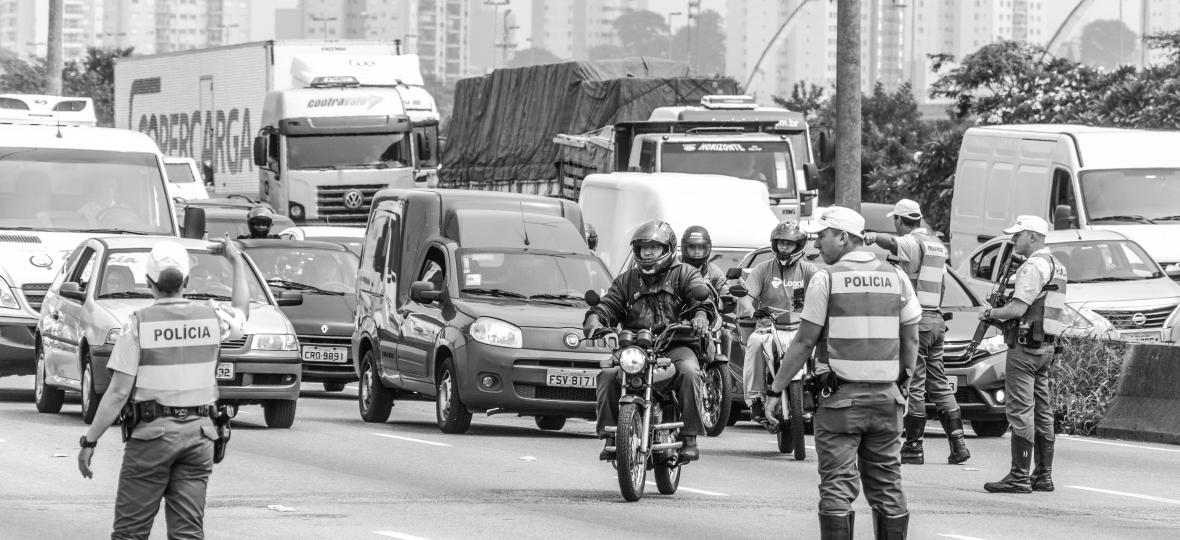
Traffic-related fatalities are annually ranked as one of the leading causes of death worldwide. The traffic safety initiatives of the IACP are designed to provide resources, guidance, and best practices to the law enforcement community, in an effort to help prevent future loss of life on our roadways and to improve the overall quality of life in our communities.
The IACP's traffic safety portfolio includes collecting promising practices on a variety of road safety issues and programs that address topics such as the safe, quick clearance of traffic incidents, distracted driving, global policing, speed enforcement, traffic officer safety, commercial vehicles, and other contemporary traffic safety issues.

International Road Policing Alliance (IRPA)

The International Drug Evaluation & Classification Program
Officer Safety
Preventing Occupational Fentanyl and Fentanyl Analog Exposure to Emergency Responders

The American College of Medical Toxicology (ACMT) and American Academy of Clinical Toxicology (AACT), has written a position paper on preventing occupational fentanyl and fentanyl analog exposure to emergency responders.
Creating a Zone of Safety on a Traffic Stop
Officer Connor Boyle Robbinsville Township (NJ) Police Department
The Need for Situational Awareness
Patrolman Brandon Heisler, Macedonia (OH) Police Department
You Have To Keep Safety In Mind Whenever You Put The Uniform On
Trooper Mithil Patel, Florida Highway Patrol
The videos in this accordion are for reference purposes only. The IACP does not necessarily endorse, certify, recommend, or promote any particular content within.
Traffic Safety Initiatives Video Series
Traffic Safety Initiatives Video Series
Impaired Driving Enforcement
Jury Selection in Impaired Driving Cases

The National Traffic Law Center in partnership with Responsibility.org published a guide designed to benefit prosecutors, law enforcement, judges, and criminal justice professionals. This resource emphasizing the importance of accurately documenting the details of a traffic stop or crash and highlighting their role in helping the jury understand the facts. It equips prosecutors with invaluable insights into questioning potential jurors to assess their empathy for the defendant or biases towards law enforcement.
Law Enforcement Phlebotomy Toolkit
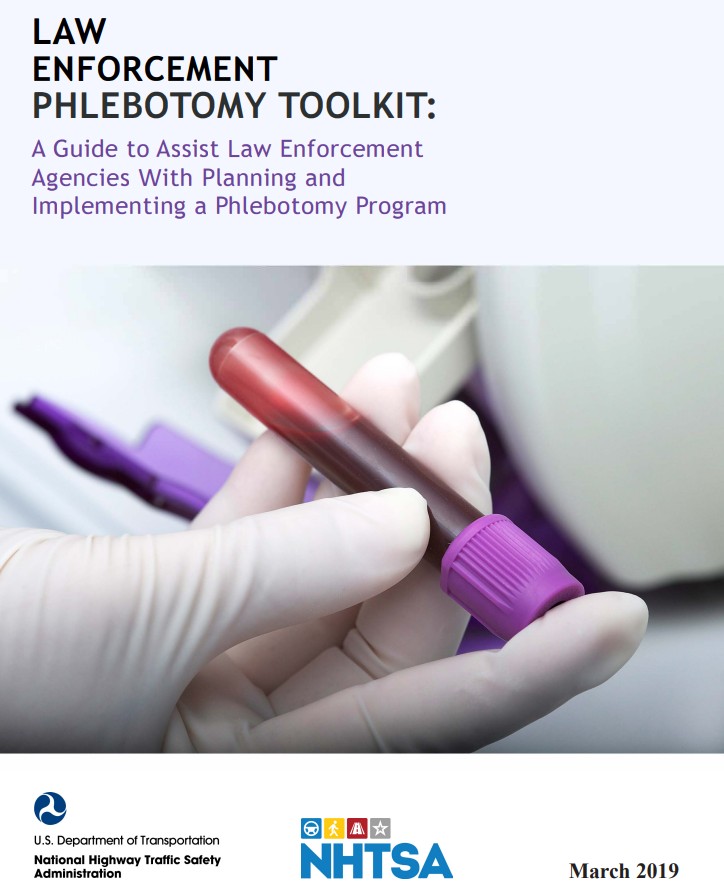 The National Highway Traffic Safety Administration (NHTSA) offers a Law Enforcement Phlebotomy Toolkit to support State and local agencies in planning and implementing effective law enforcement phlebotomy programs. This comprehensive resource draws from proven, successful programs across the country and provides practical guidance to help agencies establish and manage their own initiatives.
The International Drug Evaluation & Classification Program
Traffic Enforcement
A Guide to Implementing Electronic Warrants
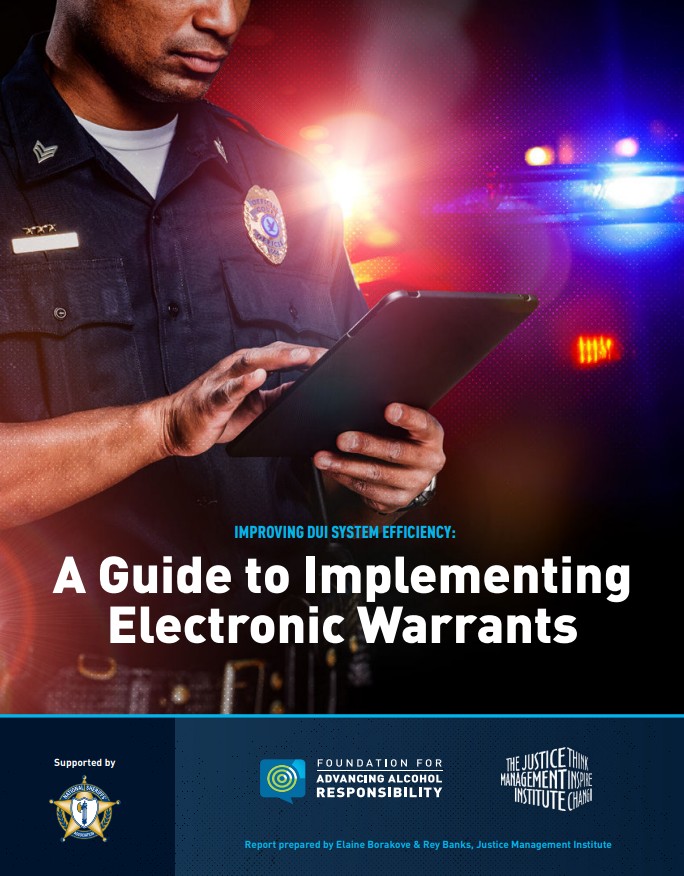
The Foundation for Advancing Alcohol Responsibility (Responsibility.org) awarded a grant to the Justice Management Institute (JMI) to create a Guide for Implementing and using eWarrant Systems. The guide offers insight into the process of planning, designing, funding, and implementing eWarrant systems and highlights important considerations that can influence decision-making along the way.
Law Enforcement Guide for Non-U.S. Driver Licenses
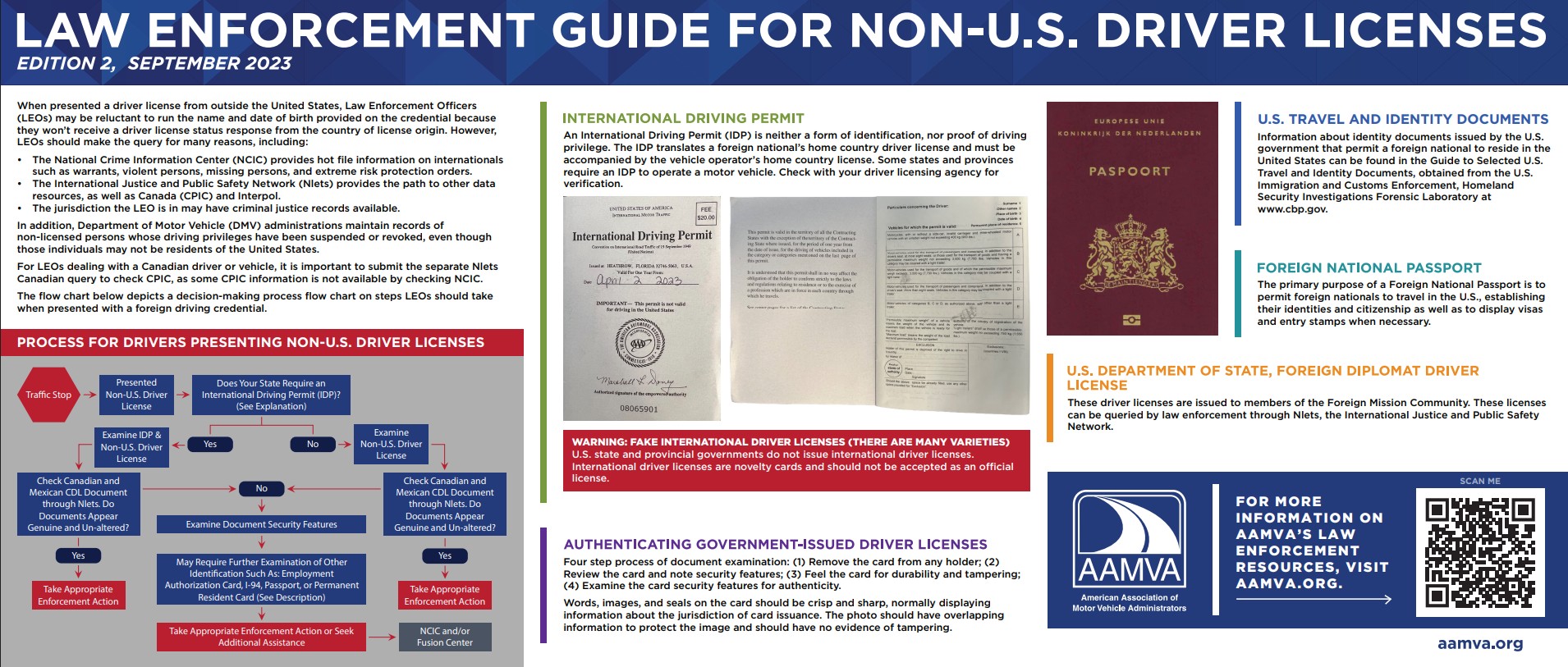 The Law Enforcement Guide for Non-U.S. Driver Licenses, published by the American Association of Motor Vehicle Administrators (AAMVA), provides guidance to law enforcement officers on how to handle traffic stops involving drivers with licenses from outside the United States. It outlines procedures for examining the license, verifying its validity, and determining what additional identification might be required
AAMVA License Plate Reader Best Practices Guide
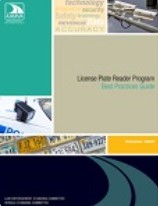 The License Plate Reader Program Best Practices Guide developed by the American Association of Motor Vehicle Administrators (AAMVA) offers information ad recommended guidelines for law enforcement agencies when establishing a License Plate Reader (LPR) program – an effective measure for road policing and traffic safety.
High Visibility Education and Enforcement
Safer Roads, Stronger Communities: Traffic Safety Resource
Distracted Driving Toolkit
Traffic Incident Management

Safe, Quick Clearance of Traffic Incidents Toolkit
Traffic Safety Resource Guide
Global Road Policing and Traffic Safety
International Road Policing Alliance (IRPA)
The Bloomberg Philanthropies Initiative for Global Road Safety (BIGRS)
Drivers with Disabilities
Blue Envelope Program
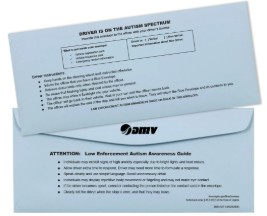
The Virginia Department of Motor Vehicles (DMV)developed the Blue Envelope Program, designed to assist drivers diagnosed with autism spectrum disorder during traffic stops. This initiative aims to foster safer and more comfortable interactions between drivers and law enforcement officers.
DOSCI Tool
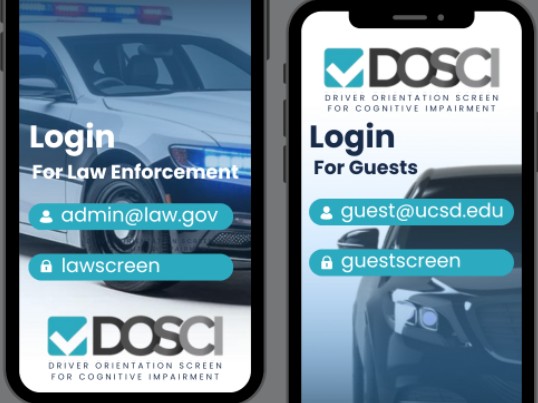 Transportation Research and Education for Driving Safety (TREDS) has released Driver Orientation Screen for Cognitive Impairment (DOSCI), a nine question screening tool designed to help law enforcement officers identify signs of cognitive impairment during roadside interactions. Available as both a mobile app and a PDF, DOSCI also provides access to helpful resources and referral contact information to support officers in connecting individuals with appropriate follow-up care.
Law Enforcement Resources on Alzheimer's Disease and Dementia
Community Engagement
What to Do and Expect When Pulled Over by Law Enforcement
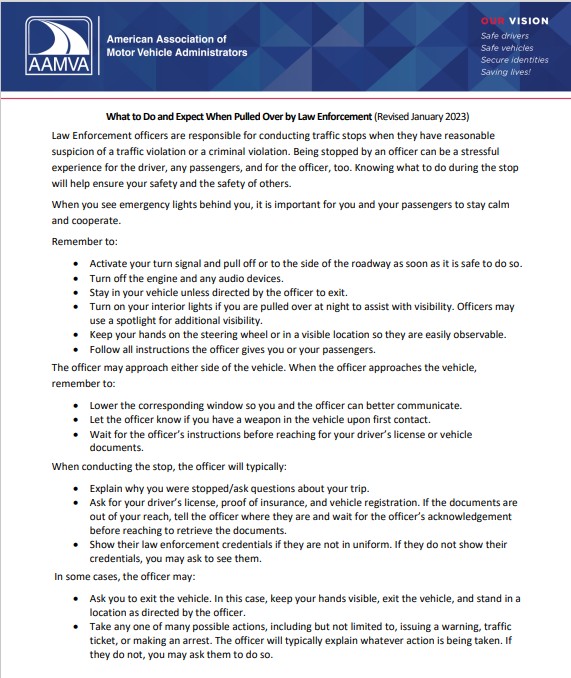
Law Enforcement officers are responsible for conducting traffic stops when they have reasonable suspicion of a traffic violation or a criminal violation. Being stopped by an officer can be a stressful experience for the driver, any passengers, and for the officer, too. Knowing what to do during the stop will help ensure your safety and the safety of others. Visit this website to know what to do during the stop to help ensure your safety and the safety of others.
Featured Articles
Smart, Comprehensive Impaired Driving Enforcement
This article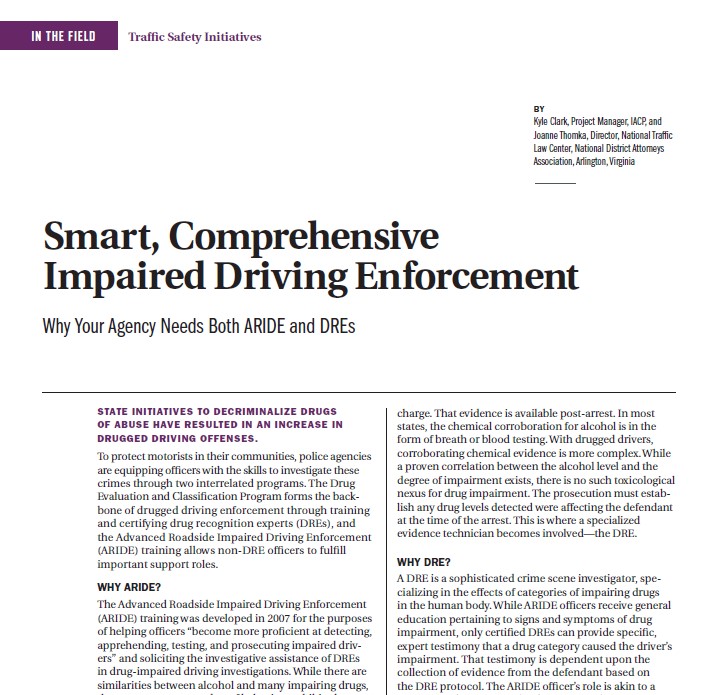 describes the Advanced Roadside Impaired Driving Enforcement (ARIDE) training and the Drug Recognition Expert program, and why your police agency needs both.
Managing an Epidemic of Wrong-Way Drivers
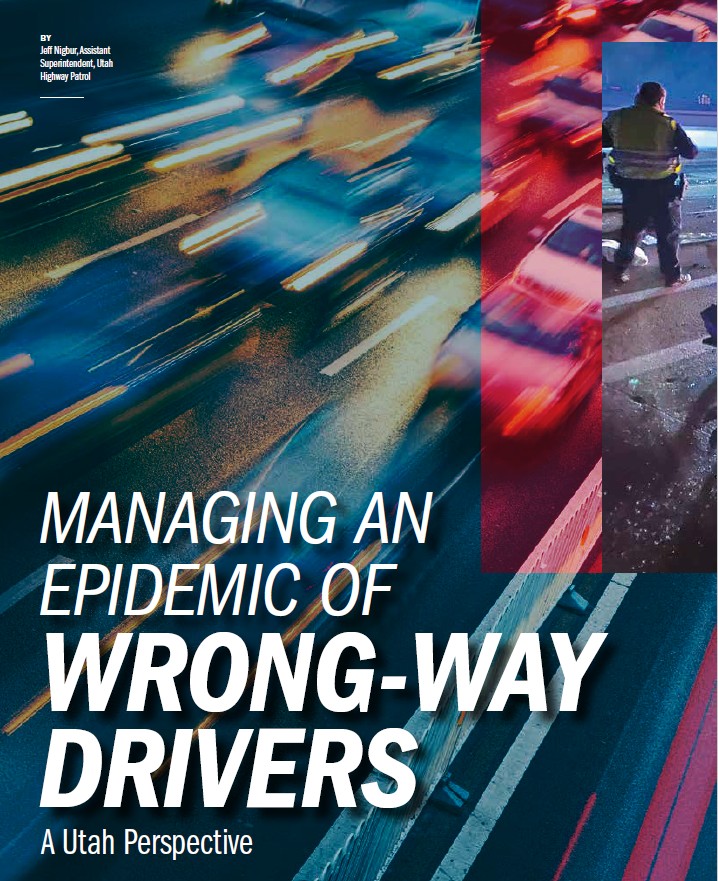 This article describes how to better stop and intradict wrong-way drivers through technology, roadway improvements, and police response.
Curbing the Threat of Distracted Driving
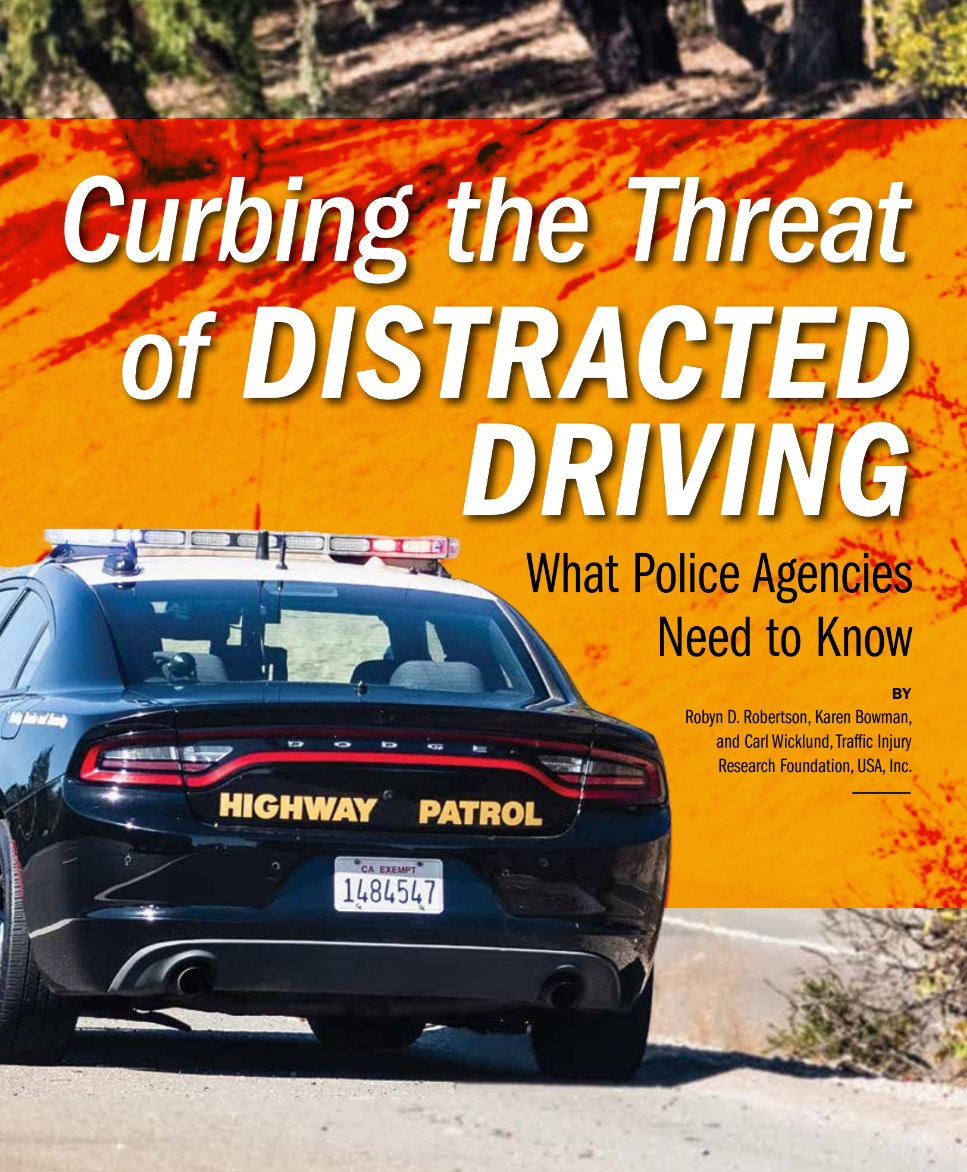
This article describes what police agencies need to know on curbing the threat of distracted driving.
Road Policing and Traffic Safety Events
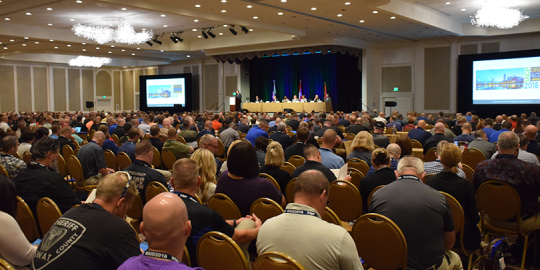
IACP Impaired Driving and Traffic Safety (IDTS) Conference
This conference provides certified drug recognition experts, traffic safety professionals, prosecutors, and others with a forum in which to share information, countermeasures, and best practices...

For other inquiries regarding traffic safety initiatives, please contact the IACP's Traffic Safety Initiatives team at [email protected].
2017 IACP Annual Report
This year’s Annual Report is a little different from our previous reports. It still includes the information you have come to expect, achievements reached and milestones celebrated, but we decided to include another factor that we wanted to amplify – the voice of our members. Without our members, there would not be an association. We wanted to ensure that your voice, as a valued member of the association and the profession, was heard and recognized.
Tracking Sex Offenders with Electronic Monitoring Technology: Implications and Practical Uses for Law Enforcement
 This short document defines and provides examples of electronic monitoring technology, discusses law enforcement involvement with electronic monitoring technology, outlines the benefits and concerns of using this technology, and highlights key considerations for the law enforcement community. To download a copy, please click here.
Strategically Monitoring Sex Offenders: Accessing Community Corrections' Resources to Enhance Law Enforcement Capabilities
 Strategically Monitoring Sex Offenders: Accessing Community Corrections' Resources to Enhance Law Enforcement Capabilities outlines the types of information collected by community corrections officers and details the purpose, benefits, access to, and examples of each piece of information.


