Road Policing and Traffic Safety Resource Page
Traffic-related fatalities are annually ranked as one of the leading causes of death worldwide. The traffic safety initiatives of the IACP are designed to provide resources, guidance, and best practices to the law enforcement community, in an effort to help prevent future loss of life on our roadways and to improve the overall quality of life in our communities.
The IACP's traffic safety portfolio includes collecting promising practices on a variety of road safety issues and programs that address topics such as the safe, quick clearance of traffic incidents, distracted driving, global policing, speed enforcement, traffic officer safety, commercial vehicles, and other contemporary traffic safety issues.

International Road Policing Alliance (IRPA)

The International Drug Evaluation & Classification Program
Officer Safety
Preventing Occupational Fentanyl and Fentanyl Analog Exposure to Emergency Responders

The American College of Medical Toxicology (ACMT) and American Academy of Clinical Toxicology (AACT), has written a position paper on preventing occupational fentanyl and fentanyl analog exposure to emergency responders.
Creating a Zone of Safety on a Traffic Stop
Officer Connor Boyle Robbinsville Township (NJ) Police Department
The Need for Situational Awareness
Patrolman Brandon Heisler, Macedonia (OH) Police Department
You Have To Keep Safety In Mind Whenever You Put The Uniform On
Trooper Mithil Patel, Florida Highway Patrol
The videos in this accordion are for reference purposes only. The IACP does not necessarily endorse, certify, recommend, or promote any particular content within.
Traffic Safety Initiatives Video Series
Traffic Safety Initiatives Video Series
Impaired Driving Enforcement
Jury Selection in Impaired Driving Cases

The National Traffic Law Center in partnership with Responsibility.org published a guide designed to benefit prosecutors, law enforcement, judges, and criminal justice professionals. This resource emphasizing the importance of accurately documenting the details of a traffic stop or crash and highlighting their role in helping the jury understand the facts. It equips prosecutors with invaluable insights into questioning potential jurors to assess their empathy for the defendant or biases towards law enforcement.
Law Enforcement Phlebotomy Toolkit
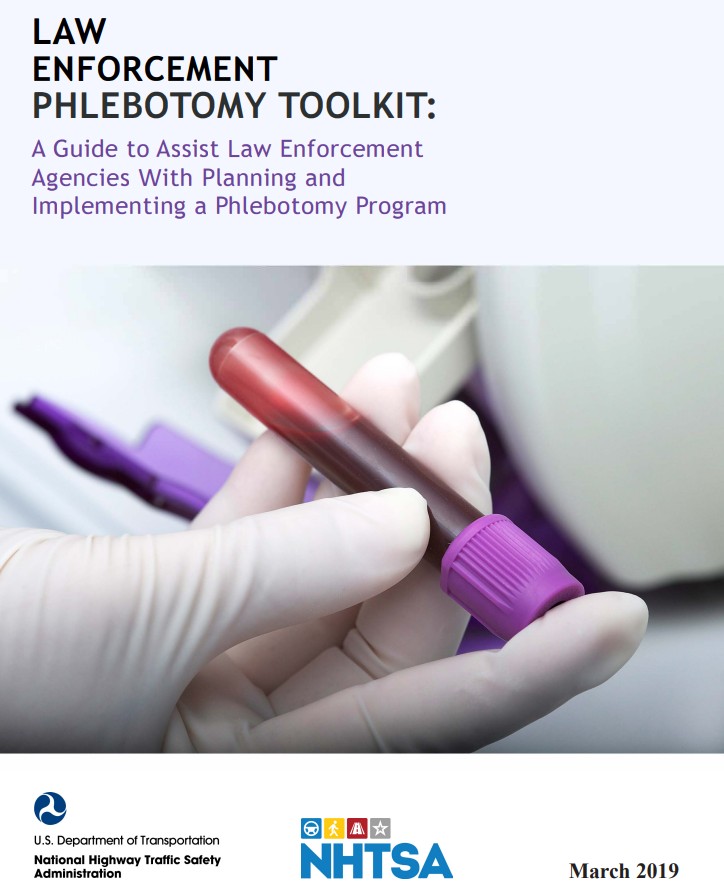 The National Highway Traffic Safety Administration (NHTSA) offers a Law Enforcement Phlebotomy Toolkit to support State and local agencies in planning and implementing effective law enforcement phlebotomy programs. This comprehensive resource draws from proven, successful programs across the country and provides practical guidance to help agencies establish and manage their own initiatives.
The International Drug Evaluation & Classification Program
Traffic Enforcement
A Guide to Implementing Electronic Warrants
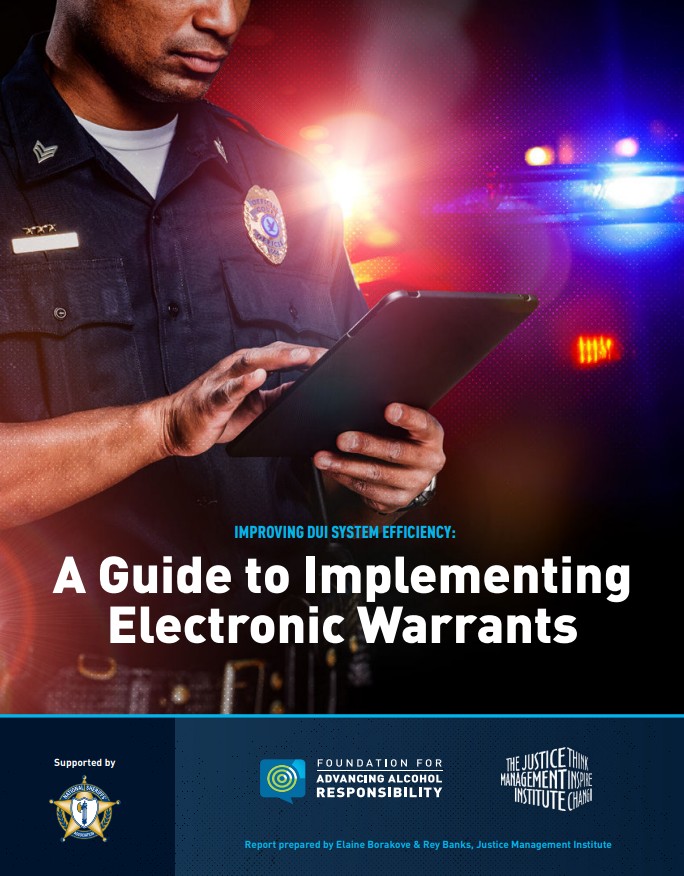
The Foundation for Advancing Alcohol Responsibility (Responsibility.org) awarded a grant to the Justice Management Institute (JMI) to create a Guide for Implementing and using eWarrant Systems. The guide offers insight into the process of planning, designing, funding, and implementing eWarrant systems and highlights important considerations that can influence decision-making along the way.
Law Enforcement Guide for Non-U.S. Driver Licenses
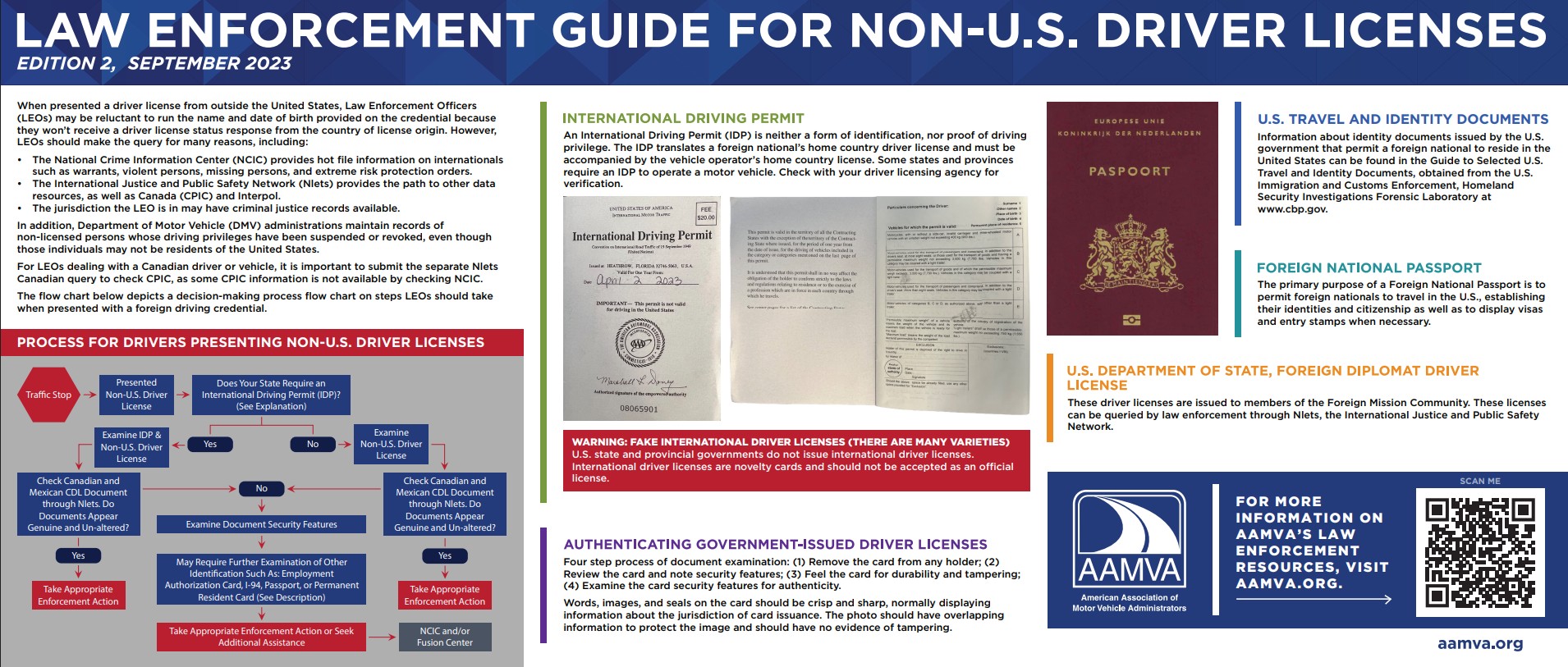 The Law Enforcement Guide for Non-U.S. Driver Licenses, published by the American Association of Motor Vehicle Administrators (AAMVA), provides guidance to law enforcement officers on how to handle traffic stops involving drivers with licenses from outside the United States. It outlines procedures for examining the license, verifying its validity, and determining what additional identification might be required
AAMVA License Plate Reader Best Practices Guide
 The License Plate Reader Program Best Practices Guide developed by the American Association of Motor Vehicle Administrators (AAMVA) offers information ad recommended guidelines for law enforcement agencies when establishing a License Plate Reader (LPR) program – an effective measure for road policing and traffic safety.
High Visibility Education and Enforcement
Safer Roads, Stronger Communities: Traffic Safety Resource
Distracted Driving Toolkit
Traffic Incident Management

Safe, Quick Clearance of Traffic Incidents Toolkit
Traffic Safety Resource Guide
Global Road Policing and Traffic Safety
International Road Policing Alliance (IRPA)
The Bloomberg Philanthropies Initiative for Global Road Safety (BIGRS)
Drivers with Disabilities
Blue Envelope Program
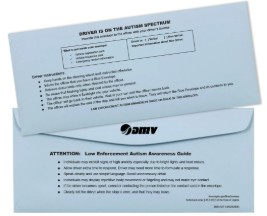
The Virginia Department of Motor Vehicles (DMV)developed the Blue Envelope Program, designed to assist drivers diagnosed with autism spectrum disorder during traffic stops. This initiative aims to foster safer and more comfortable interactions between drivers and law enforcement officers.
DOSCI Tool
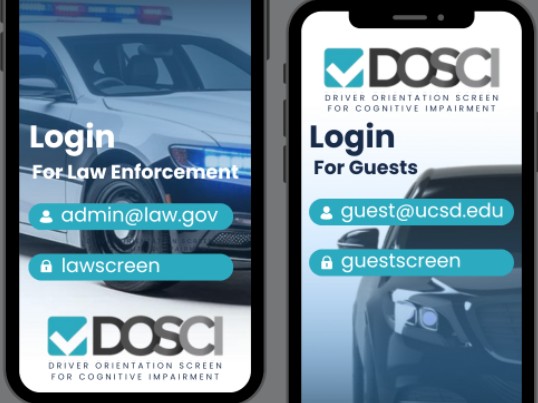 Transportation Research and Education for Driving Safety (TREDS) has released Driver Orientation Screen for Cognitive Impairment (DOSCI), a nine question screening tool designed to help law enforcement officers identify signs of cognitive impairment during roadside interactions. Available as both a mobile app and a PDF, DOSCI also provides access to helpful resources and referral contact information to support officers in connecting individuals with appropriate follow-up care.
Law Enforcement Resources on Alzheimer's Disease and Dementia
Community Engagement
What to Do and Expect When Pulled Over by Law Enforcement
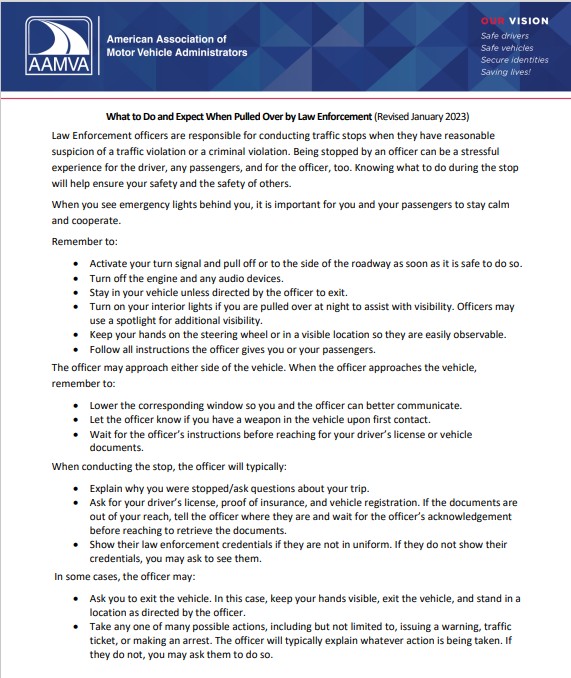
Law Enforcement officers are responsible for conducting traffic stops when they have reasonable suspicion of a traffic violation or a criminal violation. Being stopped by an officer can be a stressful experience for the driver, any passengers, and for the officer, too. Knowing what to do during the stop will help ensure your safety and the safety of others. Visit this website to know what to do during the stop to help ensure your safety and the safety of others.
Featured Articles
Smart, Comprehensive Impaired Driving Enforcement
This article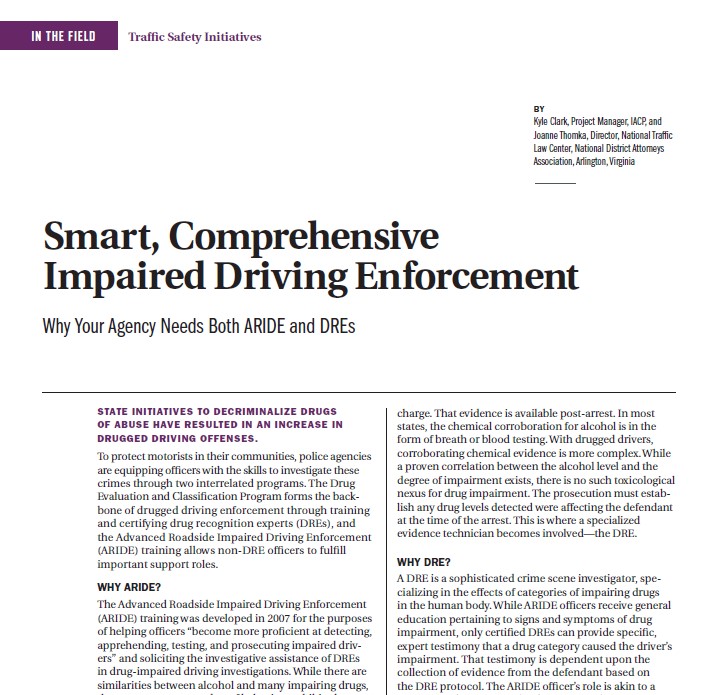 describes the Advanced Roadside Impaired Driving Enforcement (ARIDE) training and the Drug Recognition Expert program, and why your police agency needs both.
Managing an Epidemic of Wrong-Way Drivers
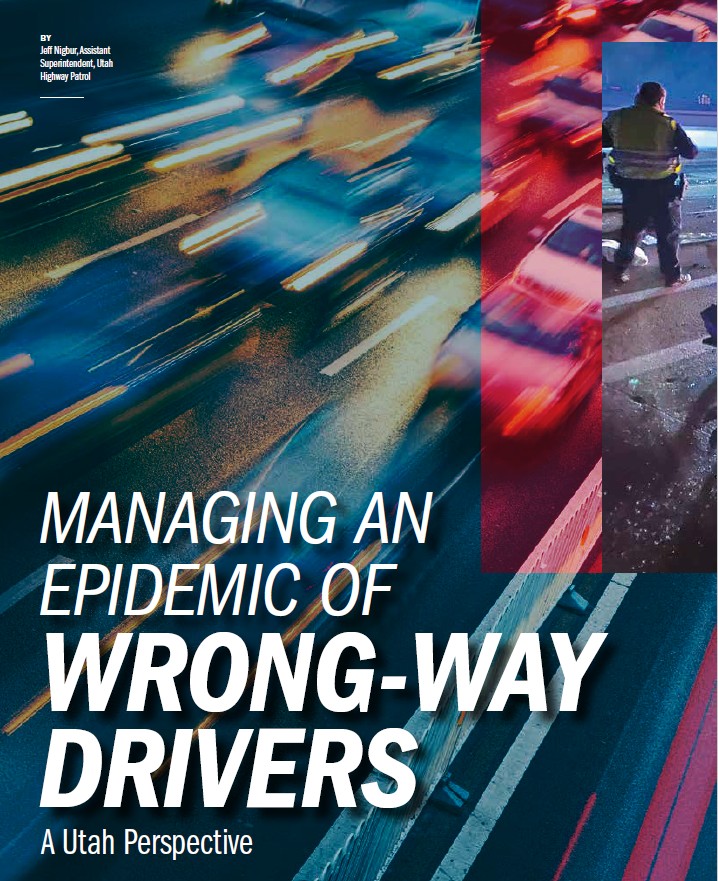 This article describes how to better stop and intradict wrong-way drivers through technology, roadway improvements, and police response.
Curbing the Threat of Distracted Driving
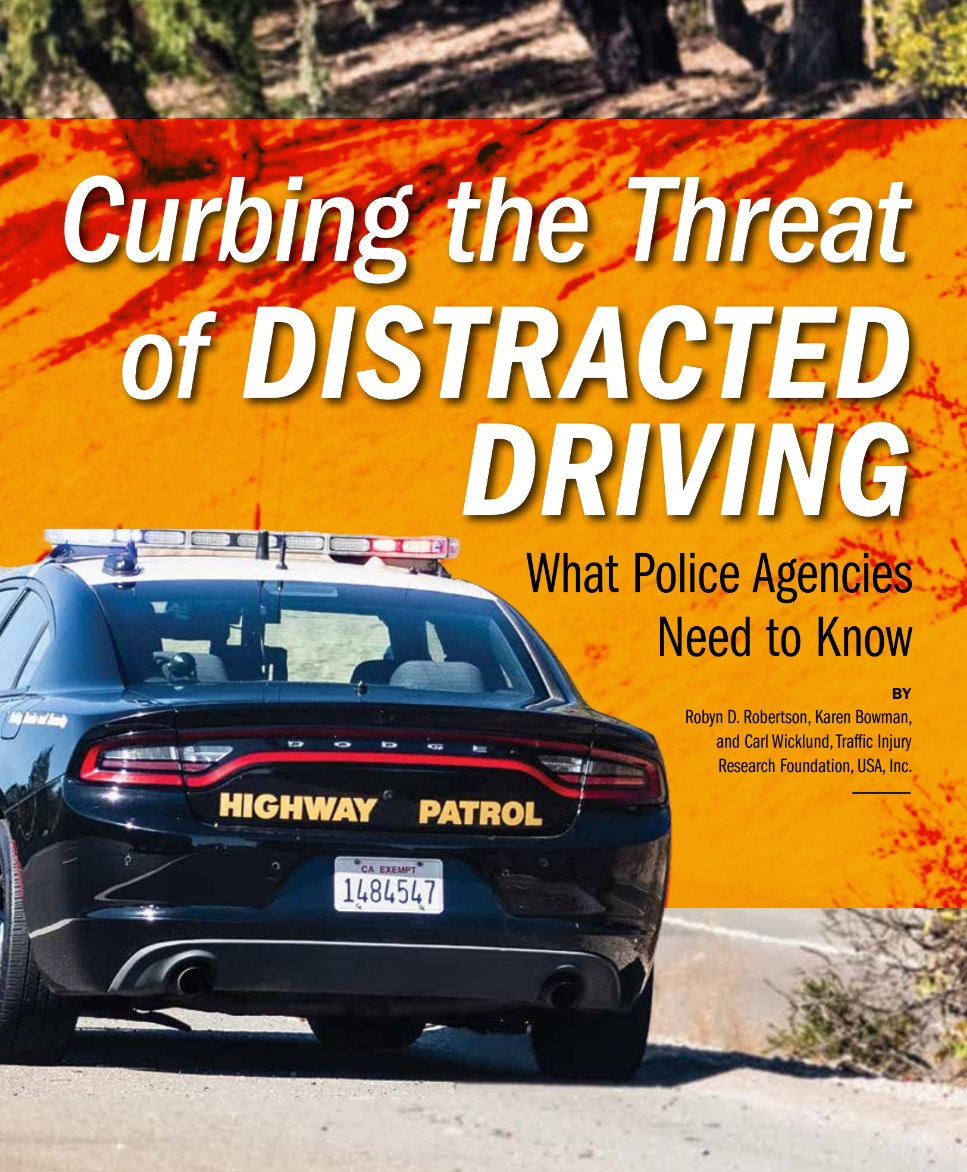
This article describes what police agencies need to know on curbing the threat of distracted driving.
Road Policing and Traffic Safety Events
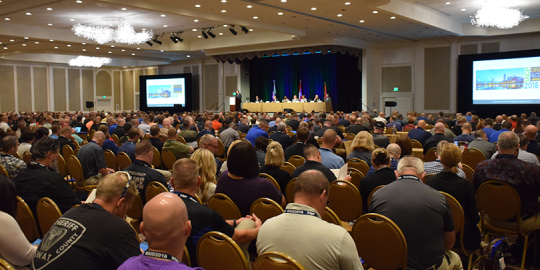
IACP Impaired Driving and Traffic Safety (IDTS) Conference
This conference provides certified drug recognition experts, traffic safety professionals, prosecutors, and others with a forum in which to share information, countermeasures, and best practices...