
Resources
IACP's resources are aimed at helping law enforcement executives do their jobs better and cover a variety of topics, including professional development, leadership, management, and supervision, as well as hot topics such as ethics.
Resources
The Use of CCTV/Video Cameras in Law Enforcement Executive Brief (2001)
Law enforcement applications of video technology have grown substantially during the past decade. The advent of the videotape camera in the early 1960s and the vast improvements made in the field since that time have given rise to any number of new applications of closed circuit television (CCTV) being utilized by law enforcement.
Managing Police Pursuits Executive Brief (2004)

National Police Pursuit Database maintenance
This user-friendly web-based database for storing pursuit information enables law enforcement leaders to set pursuit guidelines, make informed policy and training decisions, and generate statistical reports to assist in analysis and comparison with other jurisdictions.
With more than 7,000 pursuits in the database, the IACP intends to conduct a statistical analysis of the data; publish a report of our findings; and correlate information from a survey of users with suggestions for promoting the database to a broader community.
Identifying Critical Technology Needs: Technology Survey Results Fall 2005
An online survey was conducted to identify the most critical technology needs for law enforcement. The results of this survey are presented in this report, and represent a starting point from which to build a strategy for research and analysis of the issues that are impacting both large an small departments nationwide. Click here to view the report in PDF.
National Police Pursuit Database
National Police Pursuit Database maintenance
This user-friendly web-based database for storing pursuit information enables law enforcement leaders to set pursuit guidelines, make informed policy and training decisions, and generate statistical reports to assist in analysis and comparison with other jurisdictions.
With more than 7,000 pursuits in the database, the IACP intends to conduct a statistical analysis of the data; publish a report of our findings; correlate information from a survey of users with suggestions for promoting the database to a broader community.
Digital Imaging for Safe Schools
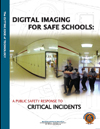 Arlington and Fairfax counties in Virginia partnered with the International Association of Chiefs of Police (IACP) in a National Institute of Justice-funded project to employ digital images taken in schools as the foundation for constructing virtual classrooms to be used during a critical incident. With the photos compiled from each school, first responders arriving on scene have access to school maps and floor plans either through the Internet or on a CD-ROM. They can then use the 360-degree images to quickly ascertain trouble spots and develop a tactical plan even before entering the building.
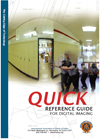 The result of this partnership is a how-to resource guide for public safety practitioners and school administrators to use in developing their own response plans. The guide, published by the IACP Cutting Edge of Technology Project, is titled "Digital Imaging for Safe Schools: A Public Safety Response to Critical Incidents."
Click below to download the guide in PDF format:
- Digital Imaging for Safe Schools: A Public Safety Response to Critical Incident
- Digital Imaging for Safe Schools: Quick Reference Guide for Digital Imaging
For Additional information on this project, contact Al Arena at [email protected].
National Forum on Body-Worn Cameras and Violence Against Women
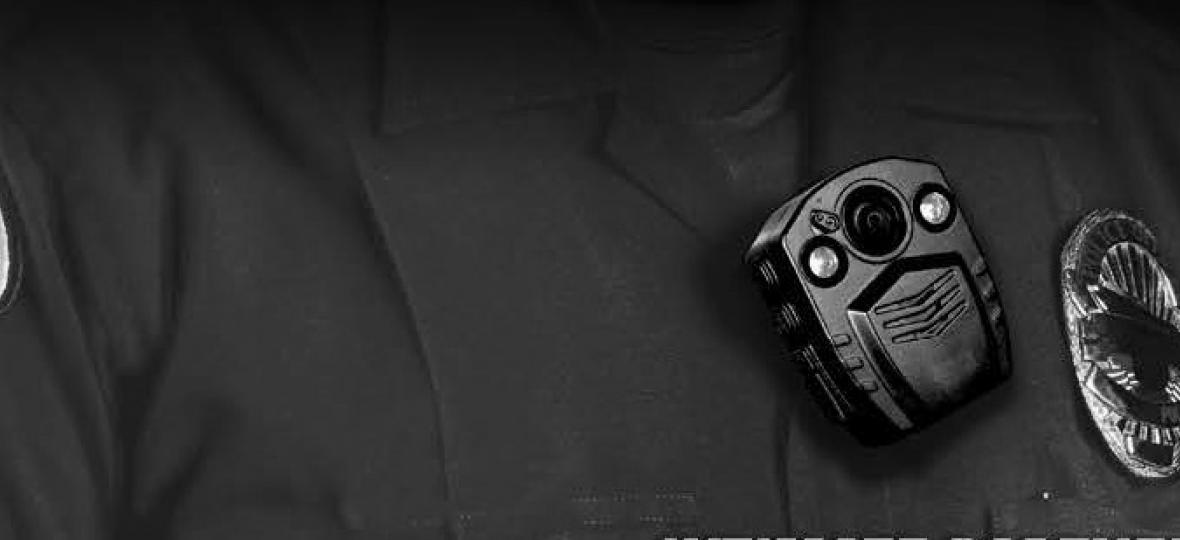
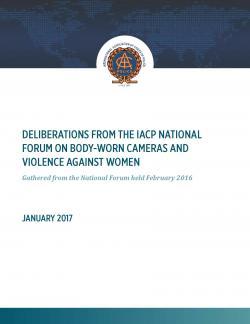
These documents compile the deliberations and considerations of the IACP National Forum on Body-Worn Cameras and Violence Against Women, a multidisciplinary, national forum on creating effective victim-centered body-worn camera policies and programs for law enforcement. Law enforcement leaders are encouraged to use these documents to engage in community discussions on the use of body-worn cameras and facilitate dialogue regarding the crimes of sexual assault, domestic violence, and stalking. These documents may also serve as tools to assist with developing, maintaining, and sustaining trust with community members.

Explore the full Violence Against Women resource library:
Body-Worn Cameras and Violence Against Women: Victim Safety and Confidentiality
This webinar presents information about balancing victim safety and confidentiality with officer safety and accountability. It highlights safety and confidentiality issues that should be considered as body-worn camera programs are created or updated, include video release, retention and viewing.
Explore the full Violence Against Women resource library:
Bringing Sexual Assault Offenders to Justice Roll-Call Training Video


Sexual Assault Incident Reports: Investigative Strategies
Sexual Assault Incident Reports: Pocket Tip Card
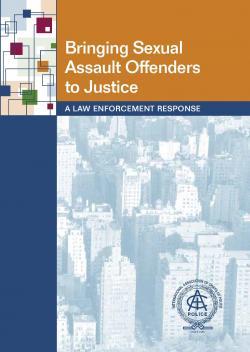
IACP’s sexual assault roll-call training video “Bringing Sexual Assault Offenders to Justice” was developed to expand our law enforcement educational efforts on the crime of sexual assault and accompany the IACP Sexual Assault Investigative Strategies guidance and Supplemental Report Form.
-
The goal of this video is to help officers generate stronger cases by reframing sexual assault crimes, providing tools to conduct perpetrator focused investigations, and building an understanding of victim behavior.
-
“Bringing Sexual Assault Offenders to Justice” will help officers identify victim trauma and provide information about victim behavior, such as delayed reporting, alcohol or substance abuse, and encounters that start out consensually, that can be used to support a sexual assault report.
-
This video will also provide useful information detailing how perpetrators often have a history of unreported acts of sexual violence and may select victims with vulnerabilities to exploit.
-
A strong sexual assault training program will result in offenders being held accountable, fewer cases being dismissed, and ultimately increase successful prosecution.
Segment 1: Realities of Sexual Assault
Segment 2: Effectively Preparing Cases
Segment 3: Working the Case: Techniques & Collaboration
Explore the full Violence Against Women resource library:
Responding to Sexual Violence in LGBTQ+ Communities: Law Enforcement Strategies and Considerations

Drawing from promising practices and innovative initiatives of law enforcement agencies throughout the nation, the IACP Responding to Sexual Violence in LGBTQ+ Communities: Law Enforcement Strategies and Considerations document is of particular importance to building and sustaining trust and relationships with LGBTQ+ communities.
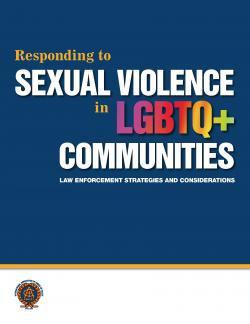
The document highlights strategies for implementing effective department-wide response through agency mission, policy, training, and personnel to proactively address and prevent sexual violence in LGBTQ+ communities. Included in the resource is an agency assessment questionnaire to assist leaders in examining their operations and agency efforts.
Explore the full Violence Against Women resource library:
Sexual Assault Response Policy and Training Content Guidelines
Sexual Assault Incident Reports: Investigative Strategies
Bringing Sexual Assault Offenders to Justice Roll-Call Training Video
The IACP created the Sexual Assault Response Policy and Training Content Guidelines to support law enforcement agencies with the development of comprehensive sexual assault policies. The Policy and Training Guidelines document includes procedure and policy recommendations that address various levels of law enforcement response from dispatch to supervisors, as well as collaborating with community partners.
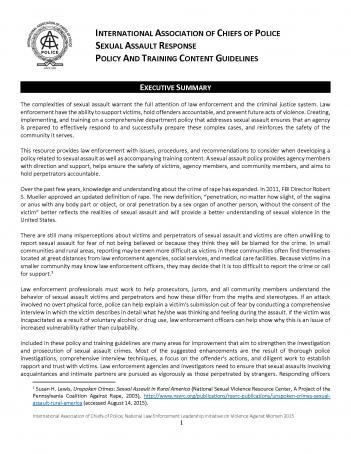
Additionally, these guidelines present training curriculum content that should accompany the implementation of a new or updated sexual assault policy in order to ensure that officers understand the complex nature of these crimes. A trauma-informed, victim-centered response not only facilitates a trusting relationship between law enforcement, victims, and the community, but can help to hold offenders accountable by increasing victim engagement in the criminal justice process.
Explore the full Violence Against Women resource library:
Sexual Assault Incident Reports: Pocket Tip Card
Sexual Assault Incident Reports: Investigative Strategies
Sexual Assault Supplemental Report Form
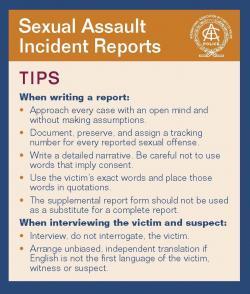
This pocket tip card for officers is a convenient, portable resource to accompany the IACP's Sexual Assault Incident Reports: Investigative Strategies.
Explore the full Violence Against Women resource library:
Intimate Partner Violence Response Policy and Training Content Guidelines
The IACP created the Intimate Partner Violence Response Policy and Training Guidelines to provide essential background material, supporting details, and suggested elements on intimate partner violence in order to support agency development of comprehensive training content and policy.
The IACP created the Intimate Partner Violence Response Policy and Training Guidelines to provide essential background material, supporting details, and suggested elements on intimate partner violence in order to support agency development of comprehensive training content and policy.
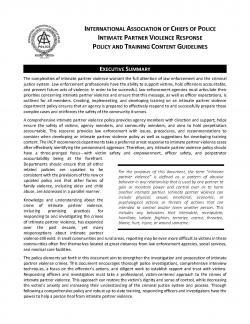
The Policy and Training Guidelines document addresses investigative procedures and promising practices for working with victims of intimate partner violence.The content of this guide was designed to assist law enforcement leaders in tailoring a policy that meets the requirements and circumstances of their own communities and agencies. A comprehensive policy enhances public confidence in the reporting and investigative processes, thereby encouraging victims to report crimes that occur.


