
Resources
IACP's resources are aimed at helping law enforcement executives do their jobs better and cover a variety of topics, including professional development, leadership, management, and supervision, as well as hot topics such as ethics.
Resources
Youth-Focused Policing Agency Self-Assessment Tool
What are your agency strengths in responding to youth crime, delinquency, and victimization? What areas need improvement? Could your agency benefit from implementing a Youth Focused Policing strategy? Assess your agency’s current state of policy and practice in prevention and response strategies to reduce juvenile offending, reoffending and victimization with the Youth Focused Policing Agency Self-Assessment. This new IACP resource, supported by the Office of Juvenile Justice and Delinquency Prevention, Office of Justice Programs, U.S. Department of Justice, aims to assist law enforcement agencies in early identification of trends, resources, and community partnerships that may be helpful in identifying best practice responses to improving the safety and well-being of youth in their communities.
Upon completion, your agency may discover opportunities that can serve as the foundation of an action plan to implement new or enhance existing strategies that improve capacity to respond to youth crime, delinquency, and victimization.
Download the self-assessment tool now or for more information, contact 1-800-THE-IACP x 831 or [email protected].
Steps to Accessing N-DEx
Body-Worn Cameras and Violence Against Women: Policy and Program Development
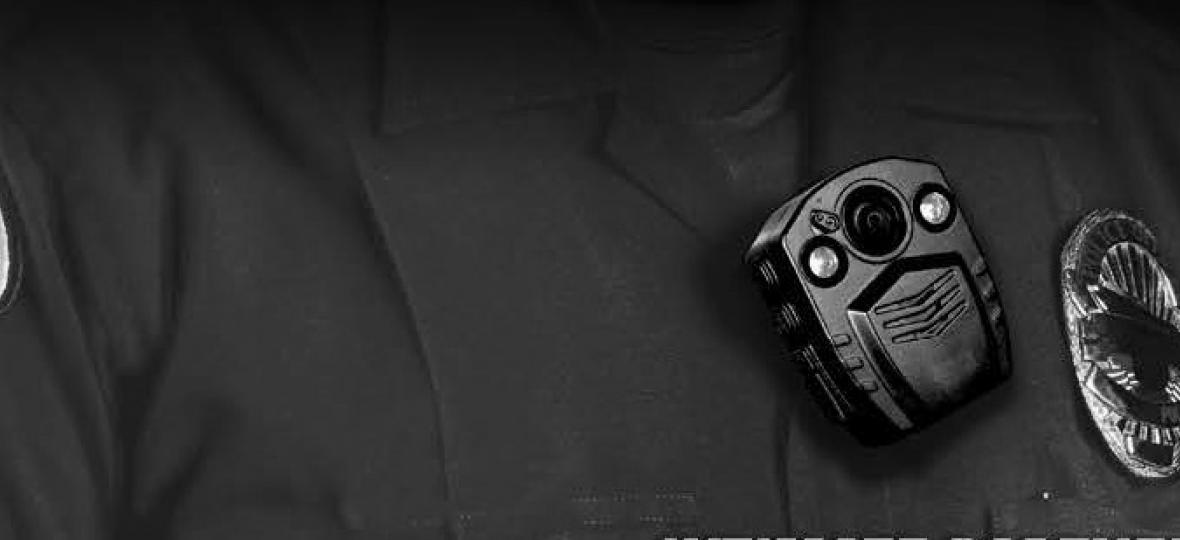
Body-Worn Cameras and Violence Against Women: Policy and Program Development
This webinar presents information about the creation or update of body-worn camera policies and programs highlighting the considerations specific to intimate partner violence including domestic violence, sexual assault, and stalking.
Explore the full Violence Against Women resource library:
Body-Worn Cameras and Violence Against Women: Vulnerable Populations and Community Trust
Body-Worn Cameras and Violence Against Women: Vulnerable Populations and Community Trust (webinar)
This webinar presents information about body-worn camera program development and considerations when responding to immigrants, individuals who identify as lesbian, gay, bisexual, transgender, queer or questioning, minors, and other specific populations.
Explore the full Violence Against Women resource library:
Sexual Assault Incident Reports: Investigative Strategies

These guidelines and interview strategies are based upon national best practices regarding sexual assault incident investigations and were developed in collaboration with local, state, and federal law enforcement, prosecutors, advocates, medical, and forensic professionals. The goal of these guidelines is to support officers and departments in preparing sexual assault cases for successful prosecution through detailed case documentation and thorough investigations.
These guidelines and interview strategies are based upon national best practices regarding sexual assault incident investigations and were developed in collaboration with local, state, and federal law enforcement, prosecutors, advocates, medical, and forensic professionals. The goal of these guidelines is to support officers and departments in preparing sexual assault cases for successful prosecution through detailed case documentation and thorough investigations.

Explore the full Violence Against Women resource library:
About ALPR

Law enforcement officers are often searching for vehicles that have been reported stolen, are suspected of being involved in criminal or terrorist activities, are owned by persons who are wanted by authorities, have failed to pay parking violations or maintain current vehicle license registration or insurance, or any of a number of other legitimate reasons. Victims and witnesses are frequently able to provide police with a description of a suspect vehicle, including in some cases a full or partial reading of their license plate number. Depending on the seriousness of the incident, officers may receive a list of vehicles of interest to their agency at the beginning of their shift, or receive radio alerts throughout the day, providing vehicle descriptions and plate numbers including stolen vehicles, vehicles registered or associated with wanted individuals or persons of interest, vehicles attached to an AMBER alert, missing persons alert, and Be On the LookOut - or BOLO - alerts. These lists can be sizable depending on the jurisdiction, population size, and criteria for the list, and can present challenges for the patrol officer.
ALPR systems function to automatically capture an image of the vehicle’s license plate, transform that image into alphanumeric characters using optical character recognition or similar software, compare the plate number acquired to one or more databases of vehicles of interest to law enforcement and other agencies, and to alert the officer when a vehicle of interest has been observed. The automated capture, analysis, and comparison of vehicle license plates typically occurs within seconds, alerting the officer almost immediately when a wanted plate is observed.
ALPR automates a tedious, distracting, and manual process that officers regularly complete in their daily operations of searching for wanted vehicles. ALPR systems vastly improve the efficiency and effectiveness of officers in identifying vehicles of interest among the hundreds or thousands they observe during routine patrol. In doing so, ALPR can identify that needle in a haystack -- the stolen car, the vehicle wanted in connection with a robbery or a child abduction, or the vehicle registered to a missing person.
Many states will consider legislation in 2015 regarding the use of ALPR by law enforcement. As stakeholders engage in the debate, it is important to have a clear understanding of how ALPR works, best practices in the management and use of the technology and the data it provides, and effective policies that enable law enforcement to maximize the benefits of the technology while aggressively protecting the privacy and civil liberties of all citizens in their communities. This website is a resource for law enforcement associations, agencies, and individuals, as well as industry partners, privacy advocates, and legislators to better understand the host of operational, policy, and technical issues associated with ALPR planning, use, and deployment.
ALPR FAQs

Frequently Asked Questions:
How does Automatic License Plate Recognition (ALPR) technology work?
ALPR systems generally consist of a high speed camera with an infrared (“IR”) filter or two cameras—one high resolution digital camera and one IR camera—to capture images of license plates; a processor and application capable of performing sophisticated optical character recognition (OCR) to transform the image of the plate into alphanumeric characters; application software to compare the transformed license plate characters to databases of license plates of interest to law enforcement; and a user interface to display the images captured, the results of the OCR transformation, and an alert capability to notify operators when a plate matching an agency’s “hot list” is observed. The precise configuration of ALPR systems varies depending on the manufacturer of the equipment and the specific operational deployment.
What data does an ALPR system collect?
ALPR systems typically capture the following information: a contextual photo of the vehicle, an image of the license plate, the geographic coordinates of where the image was captured, and the date and time of the recording. The systems also typically identify the specific camera/unit that captured the image. The ALPR camera does not identify any individual or access their personal information through its analysis of license plate numbers. The data captured by the ALPR unit itself is completely anonymous. There is no personally identifiable information contained in an ALPR record and the operator can only determine the registered owner of a vehicle by querying a separate, secure state government database of vehicle license plate records, which is restricted, controlled, and audited. The Federal Driver’s Privacy Protection Act (DPPA) restricts access and prohibits the release of personal information from State motor vehicle records to ensure the privacy of citizens. 18 USC § 2721-2725.
How long are ALPR records retained in a database?
Agencies vary in their ALPR data retention policies based in part on their strategic and tactical objectives in using the technology, and the specific laws and regulations of their jurisdictions. Research is presently underway to define specific ALPR metrics that will help in establishing an empirical foundation to data retention policies.
Who typically has access to an ALPR database? Is there an audit trail?
Only authorized law enforcement personnel who have met the minimum training, certification, and background checks required for access to criminal justice data should have access to the ALPR database. Access to an ALPR database should be restricted to trained and authorized law enforcement users who have a specific and approved authorization to access the database for a lawful purpose that includes both a need to know and a right to know the information. All queries for ALPR data should be subject to auditing and all access should be recorded in audit logs which should be maintained for a suitable period of time consistent with state records archival laws. Audit reports should be structured in a format that is understandable and useful and contain, at a minimum:
- The name and agency of the law enforcement user;
- The date and time of access;
- The specific data accessed;
- The authorized law enforcement or public safety justification for access, including a relevant case number if available.
What are examples of a lawful purpose to access an ALPR system?
Examples of lawful purposes to access an ALPR system may include:
- Locate stolen, wanted, or suspect vehicles
- Locate suspect(s) of criminal investigation or arrest warrants
- Locate witnesses or victims of violent crime
- Locate missing children, elderly persons, or other missing persons (Amber/Silver Alerts)
- Protect the public during special events/situational awareness
- Protect critical infrastructure
How accurate is the ALPR technology?
As ALPR technology is translating optical characters to digital data there is a small error rate in translation of alphanumeric characters that are similar in shape. ALPR operators must recognize that the data collected from the ALPR device, and the content of the referenced "hot lists," consists of data that may or may not be accurate, despite ongoing efforts to maximize the currency and accuracy of such data. To the greatest extent possible, vehicle license plate information must be verified from separate law enforcement information sources to confirm the vehicle's alert status and justification for law enforcement contact. Law enforcement users of ALPR data must, to the fullest extent possible, visually confirm that the plate characters generated by the ALPR readers accurately correspond with the digital image of the license plate in question.
Can I request the images of where my vehicle has been seen by ALPR?
Availability to ALPR data in most jurisdictions is restricted to law enforcement personnel with a lawful purpose to access the data, as well as a need and right to know the information. Access to ALPR data is typically restricted and strictly audited. There are law enforcement agencies that do allow access to ALPR data for the registered owner of the vehicle on a case-by-case basis. Please contact your city, county, or state law enforcement agency for their specific ALPR policies to determine if you have access to ALPR data related to your registered vehicle(s).
Do ALPR systems provide constant surveillance of my location?
No. ALPR systems do not provide constant surveillance of vehicles. The systems do provide authorized law enforcement personnel with a pointer for one moment in time and the location where a vehicle's license plate passed an ALPR device.
Can ALPR devices see into my vehicle and do they use facial recognition software?
Unlike red-light cameras, ALPR devices do not have illumination to aid in identifying the driver or potential passengers of the vehicle. The purpose of ALPR technology is to identify vehicles, not the occupants. If ambient lighting is sufficient or a subject is outside and near the vehicle at the time an ALPR-equipped vehicle passes, their image may be captured in the contextual photo taken by the ALPR unit of the vehicle. This contextual photo is simply designed to provide context, i.e., to identify the specific vehicle to which the license plate is attached to aid the operator in quickly identifying which of several vehicles in the immediate vicinity is carrying the alerted tag. ALPR systems are not designed to collect images of drivers or vehicle occupants, nor are they integrated with facial recognition solutions or any applications that simultaneously identify the registered owner or passengers.
Is every ALPR image reviewed?
No. Images captured by ALPR systems are only reviewed by law enforcement personnel when required for a lawful purpose and all access is strictly monitored and audited.
What federal laws are there regarding the use of ALPR systems?
At the time of this writing there are no federal laws that explicitly govern or limit the use of ALPR technology or taking photographs of things that are plainly visible from public spaces by law enforcement agencies.
ALPR News
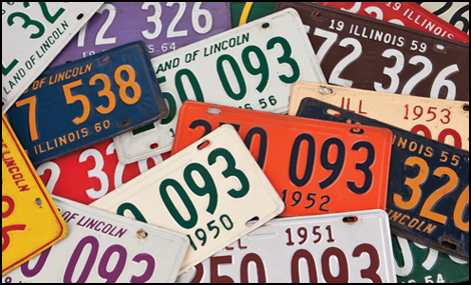
Law enforcement use of automated license plate readers is often reported in local, regional, and national media. News stories reviewing the deployment and use of ALPR help document how this technology is implemented, its value for law enforcement and public safety, and emerging trends in policy and operations.
- A Look at Plate Readers That Helped Officer Catch Murder Suspect in West Carthage (7/3/16)
- License Plate Readers Exposed! (10/28/15)
- More details regarding use of ALPR in Virginia shooter case (8/28/15)
- ALPR Used by Tennessee Highway Patrol (8/28/15)
- ALPR Halting Drug Flow on Eastern Coast (8/27/15)
- ALPR Helps Spot Virginia Shooter, but Privacy Issues Remain (8/27/15)
- ALPR Spots Virginia Shooter's Car (8/26/15)
- Public Safety But At What Cost? (5/31/15)
- 8 Ways Police Can Spy on Crime, and You (5/21/15)
- Appeals Court Says Police Can Withhold License Plate Scans (5/6/15)
- Link to the ruling: ACLU v. Superior Court of Los Angeles County (5/6/15)
- Data Trackers: License Plate Scanning Technology Raises Privacy Questions (4/24/15)
- Chico Police Link 66 Vehicles to Crimes with use of ALPR (4/10/15)
- DHS ALPR Solicitation (4/2/15)
- Joint Letter on ALPR by Law Enforcement Organizations to Congress (3/10/15)
- GA: Automatic license plate reader leads to robbery arrest (2/21/15)
- IN: Do license plate readers invade privacy? (2/16/15)
- GA: Police use license plate readers to catch suspect accused of robbing Facebook user (2/13/15)
- CA: Alameda police happy with new license plate reading technology (2/10/15)
- MN: "State Lawmakers Debate Shelf Life of License-Plate Reader Data" (1/24/15)
- OR: "Oregon Mulling Limits on License Plate-Reading Surveillance Cameras" (11/28/14)
- IACP and 3M Name 2014 Honorees of the Looking Beyond the License Plate Award (11/3/14)
- MN: "Mpls. Now Retains License Plate Data 90 Days" (10/31/12)
ALPR Policy & Privacy

Owners of motorized vehicles driven on public thoroughfares are required by law to annually register their vehicles with their state bureau or department of motor vehicles, and to attach license plates that are publicly and legibly displayed. Vehicle license plates generally consist of a series of alpha numeric characters that reference the license plate to the specific vehicle registered (including the make, model, year, and vehicle identification number (VIN)) and the registered owner and/or lien holder of the vehicle.
ALPR systems capture a contextual photo of the vehicle, an image of the license plate, the geographic coordinates of where the image was captured, and the date and time of the recording. The ALPR system does not identify any individual or access any person's personal information through its analysis of license plate characters. The data captured by the ALPR unit itself is entirely anonymous. Officers can only identify the registered owner of a vehicle by querying a separate, secure state government database of vehicle license plate records, which is restricted, controlled, and audited. The federal Driver's Privacy Protection Act (DPPA) restricts access and prohibits the release of personal information from state motor vehicle records to ensure the privacy of citizens. 18 USC § 2721-2725.
Many jurisdictions are actively developing or considering legislation that will authorize, limit, and/or restrict the use of ALPR systems and the data they generate. In at least 13 states legislative bills have been introduced or are pending thus far in 2015. More information HERE.
Some examples of specific legislative proposals and legislation that has passed includes:
- IL: SB 1351 - Automated License Plate Recognition System Data Act (2/18/15)
- CA: Senate Bill 34, Automatic License Plate Recognition Systems: Use of Data
- UT: Senate Bill 196, License Plate Reader Amendments (2013)
- Maine LPR Legislation
- MA: Senate Bill 1648: An Act to Regulate the Use of Automatic License Plate Reader Systems
- VT: Vermont ALPR Legislation
ALPR Research & Reports

Jurisdictions throughout the nation and around the world are continuing research on current operations, emerging best practices, performance metrics, and business benefit realization.
Recent research reports:
- Vermont Department of Public Safety, Annual Report to the Vermont Senate and House Committees on Judiciary and Transportation as required by: 23 V.S.A. S 1607 Automated License Plate Recognition Systems (2015)
- RAND, License Plate Readers for Law Enforcement (2014)
- Roberts & Casanova, IACP ALPR Policy and Operational Guidance for Law Enforcement, (2012)
- Bart Custers, License Plate Readers in the Netherlands, (2012)
- Lum, Merola, Willis, and Cave: License Plate Recognition Technology (LPR): Impact Evaluation and Community Assessment (2010)
- Cohen, Plecas, and McCormick: A Report on the Utility of the Automated License Plate Recognition System in British Columbia (2007)
- Watson and Walsh: The Road Safety Implications of Automatic Number Plate Recognition Technology (ANPR) (2008)
Critical Issues: Asset Forfeiture
Issue Overview
For over 30 years, the asset forfeiture program has allowed U.S. law enforcement agencies to deprive criminals of both the proceeds and tools of crime. The resources provided by the equitable sharing program have allowed agencies to participate in joint task forces to thwart and deter serious criminal activity and terrorism, purchase equipment, provide training, upgrade technology, engage their communities, and better protect their officers. The IACP Is committed to ensuring that this valuable program remains a resource for law enforcement agencies.
This page serves as a clearinghouse of resources to help guide law enforcement as they are confronted with difficult questions related to the asset forfeiture program.
Messaging Worksheet
The following messaging worksheet breaks down the topic of asset forfeiture and provides key talking points and facts to assist you in your daily communications about the subject. This worksheet is exclusively available to IACP members.
Resolutions
- Recognition of the U.S. Attorney Community for Employing Asset Forfeiture Remedies as Part of a Coordinated Enforcement Effort against Medical Marijuana Distribution (2012)
- Challenge to State and Local Law Enforcement Agencies to Spend 15 Percent of Their Federally-Forfeited Asset Sharing Funds on Community-Based Drug Education and Prevention Programs (2002)
- Asset Forfeiture (2001)
- Opposition to Limitation on Asset Forfeiture Statutes (1999)
Legislative Initiatives
In-Car Video Camera Systems Performance Specifications
Version 14 - 11/21/2008
This document, Digital Video Minimum Performance Specifications, Ver. 14, was created to provide law enforcement agencies and system manufacturers with a set of recommended minimum performance system specifications in order to yield evidentiary-quality digital recordings and promote officer safety. Currently no testing or certification program exists to independently verify any product’s compliance with the specifications.
The IACP, under cooperative agreement with the Department of Justice, National Institute of Justice (NIJ), is currently facilitating the development of a technical standard for Vehicular Digital Multimedia Evidence Recording Systems (VDMERS). A draft National Institute of Justice standard, based in part on the Digital Video Minimum Performance Specifications document developed by the IACP, can be found at www.JUSTNET.org, under the “Tech Topics” tab, along with information about other NIJ standards for law enforcement.
For additional information about the Video Standards Project, contact Program Manager Mike Fergus at [email protected] or ext. 811.
Contact
-
703-836-6767 or 800-THE IACP, ext. 811


