
Resources
IACP's resources are aimed at helping law enforcement executives do their jobs better and cover a variety of topics, including professional development, leadership, management, and supervision, as well as hot topics such as ethics.
Resources
Officer Health and Wellness Agency Assessment Tool and Action Planning Roadmap
Compared to the general public, police are at a higher risk for negative physical and mental health outcomes, including injuries, illnesses, obesity, heart attacks, and sleep disorders. In response, police agencies have begun to establish, expand, and sustain officer safety and wellness (OSW) programming to address challenges commonly faced by officers.
From obtaining leadership buy-in to determining program priorities, agencies have a lot to consider when developing or updating a program. The information in the Officer Health and Wellness Agency Assessment Tool and Action Planning Roadmap is intended to serve as a guide for law enforcement executives or wellness program personnel who seek to establish or enhance an officer wellness program. Recognizing the diversity between departments and among wellness initiatives, this resource includes various approaches to help agencies determine which will work best for their personnel.
Evidence-Based Crime Reduction Strategies for Small, Rural, and Tribal Agencies
The IACP, Office of Community Oriented Policing Services (COPS Office), and Center for Evidence-Based Crime Policy (CEBCP) at George Mason University partnered to gather, evaluate, translate, and recommend best and emerging crime reduction practices for small, rural, and tribal law enforcement agencies.
This guide presents information on evidence-based policing practices in small, rural, and tribal agencies, which often have different problems and different needs from the large, urban agencies where most law enforcement research is conducted— as well as different strengths. It includes case studies and additional information gleaned from the literature and from conversations with law enforcement leaders.
Project Partners

Visit the Project Page
Translating Crime Reduction Best and Emerging Practices for Small and Rural Agencies
This project was supported, in whole or in part, by federal award number 2019CKWXK010 awarded to the International Association of Chiefs of Police by the U.S. Department of Justice., Office of Community Oriented Policing Services. The opinions contained herein are those of the author(s) or contributor(s) and do not necessarily represent the official position or policies of the U.S. Department of Justice. References to specific individuals, agencies, companies, products, or services should not be considered an endorsement by the author(s), contributors, or the U.S. Department of Justice. Rather, the references are illustrations to supplement discussion of the issues.
The Internet references cited in this publication were valid as of the date of this publication. Given that URLs and websites are in constant flux, neither the author(s) nor the COPS Office can vouch for their current validity.
Using NIBRS to Reduce Crime
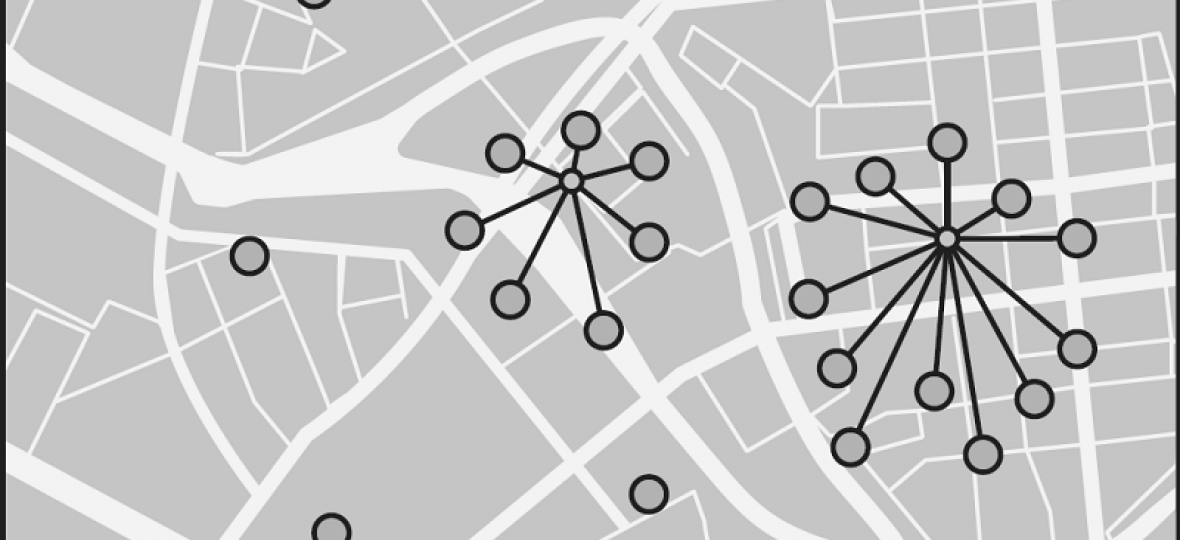
This study released by the National Crime Statistics Exchange (NCS-X) examines using NIBRS data in Tactical Crime Analysis. This technique examines crime characteristics—the what, when, where, who, and how of each incident—to assist in problem-solving by identifying patterns and trends, developing investigative leads and suspects, and clearing cases. This case study highlights one agency's use of NIBRS data to address a spike in robberies.
For more NIBRS resources, visit the NCS-X page.
Resilience Strategies for Your Role
Real world resilience strategies for where you are.
The stressors that first responders face can have serious implications for overall health and wellness. Supporting mental health is essential for the wellbeing of first responders and their colleagues, agencies, families, and communities. This series of resources is designed to support agencies and departments to address officer mental health and wellness concerns through unique and practical resilience strategies, customized to roles within the field of public safety. By implementing these strategies in their personal and professional lives, individuals will learn how to navigate adversity, thrive in the face of challenges, and maintain positive mental health.
Corrections & Detentions Officers
- Corrections and detentions officers contribute significantly to protecting their community and keeping it safe. Their everyday duties also ensure the safety and effective management of incarcerated individuals. For the benefit of the community, fellow officers, and overall well-being, it is important they prioritize effectively managing the pressures that come with the job.
Executive leaders play a key role in the success and wellness of their agencies. They are the decision-makers, and provide support for their officers as well as community members. It is important that executive leaders focus on their own wellbeing to be better prepared to lead and develop a culture of wellness in their agencies. Spanish translation available.
- Field training officers have a lasting impact on the law enforcement profession. Serving as a role model to the newest generation of officers gives them a unique influence on agency culture, which is a significant responsibility. They should therefore prioritize taking care of themselves in order to feel their best and give their best to those they have been entrusted to support. Spanish translation available.
- Frontline officers play a crucial role in protecting their community. Their everyday duties, while rewarding, may also be stressful and overwhelming. For the benefit of their own overall wellbeing, their community, and their fellow officers, it is important for frontline officers to safely and effectively manage the pressures that come with the job. Spanish translation available.
- Law enforcement families play an important role in helping officers maintain healthy, balanced lives — but they are only equipped to provide that support if they prioritize taking care of themselves, too. All families have their own unique ways to navigate the challenges and opportunities that come with a life in law enforcement. These tips translate across many situations and may help them to develop their own approach for handling these realities. Spanish translation available.
- Police chaplains are a valuable resource for the law enforcement community and beyond, offering comfort and counsel to those in need. As a trusted member of the police support system, it is essential for police chaplains to be prepared for challenging situations. To fulfill this responsibility, their personal needs must also be considered and prioritized. Spanish translation available.
- Public information officers are critical to maintaining police and community safety and wellness. They engage with the community to provide vital information and advocate for their agencies. It is important that public information officers support their own wellness to be better prepared to help and connect with others. Spanish translation available.
Public Safety Telecommunicators
- Public safety telecommunicators, or dispatchers, assist and support officers as well as community members. They play a key role in communicating important information and coordinating responses to emergency situations. It is important that public safety telecommunicators support their own wellness to be better prepared to help others and end each shift well. French translation available. Spanish translation available.
While leaving a career in law enforcement can reduce many work-related stresses, retiring from service may bring a new set of challenges. In order to fully appreciate this well-deserved phase of life, it is important to properly address and manage the potential difficulties associated with a post-career reality. Spanish translation available.
School resource officers have a unique role in providing a link between law enforcement and the community by serving the youth of their district. It is important that actively prioritize their own well-being in order to fulfill the responsibilities of this valuable role and effectively support the youth they interact with. Spanish translation available.
- State police and highway patrol officers are essential to community safety. Patrolling the highway, driving for a majority of the shift, and having little interaction with fellow officers for long stretches of time can hurt emotional and physical health. It is vital to emphasize mental and physical protective factors to help counteract these challenges.
- Victim services personnel serve a vital role in supporting victims and witnesses of crimes through difficult situations and maintaining positive relationships throughout criminal justice procedures. Extending the same care they show to others will help victim services personnel to continue serving their community to the fullest extent. Spanish translation available.

Officer Resilience Training Program

Officer Safety and Wellness Conference
The Officer Safety and Wellness Conference is a unique occasion for public safety professionals to learn from experts in the field about resources, best practices...
Families In Focus
The IACP and COPS Office have partnered to create Families in Focus, a video resource about the importance of implementing family wellness programs in agencies. Social and educational programming allows law enforcement families to connect with each other, learn about the lifestyle that goes along with working in law enforcement, and understand how to best support their officer. Family wellness programming also allows law enforcement officers to thrive by creating a healthy environment both at home and on the job and can lead to reduced sick time, reduced stress, and an increase in officers’ physical and mental health.
Families in Focus: Family Wellness for Law Enforcement Agencies
Promo 1
Promo 2
Safer Roads, Stronger Communities: Traffic Safety Resource
The Safer Roads, Stronger Communities Resource is an e-publication created to illustrate the benefits of traffic safety. This resource provides agencies with an opportunity to create positive and meaningful impact in communities. Traffic Safety saves lives, makes communities more livable, and increases community engagement.
What this resource includes:
Executive Summary
- Outlines the benefits of prioritizing traffic safety.
Steering Together
- Success stories from law enforcement agencies on enhancing their roadways through collaborating with other police departments and their communities.
Traffic Safety Community Assessment Tool
- Assessment tool that allows community members to have an active role in traffic safety.
Social Media Language and Traffic Safety National Calendar
- Templates for law enforcement agencies to educate community members on traffic-related topics.
This is a project of the IACP and NHTSA.
EXPIRED Support for Incorporating an Enhanced Response to Victims as a Priority in Daily Law Enforcement Operations

Support for Incorporating an Enhanced Response to Victims as a Priority in Daily Law Enforcement Operations
Submitted by: Victim Services Committee
VSC.02.21
WHEREAS, the International Association of Chiefs of Police, with support and funding from the Office for Victims of Crime, Office of Justice Programs, U.S. Department of Justice, has developed, field tested, validated, and updated the "Enhancing Law Enforcement Response to Victims Strategy"; and
WHEREAS, the 1999 "What Do Victims Want?" National Summit identified the seven critical needs of all victims: safety, support, information, access, continuity, voice, and justice; and
WHEREAS, the "Enhancing Law Enforcement Response to Victims Strategy" focuses on all victims of all crimes, and was developed around four core areas: leadership, partnering, training, and performance monitoring; and
WHEREAS, an enhanced response to crime victims involves treating all victims and their families with empathy, compassion, and respect to maximize feelings of safety and security; provide access to information and referrals for assistance; inform victims of their rights and what to expect as their cases move forward; and avoid victim blaming; and
WHEREAS, effective response to victims is the responsibility of all law enforcement personnel, across ranks and disciplines; and
WHEREAS, addressing the seven critical needs of victims through enhanced response strategies can lead to increased law enforcement legitimacy and community trust; and
WHEREAS, the Enhancing Law Enforcement Response to Victims Strategy, 2nd edition includes updated foundational Strategy documents, videos, sample material, and templates and is available to all law enforcement agencies free of charge; therefore, be it
RESOLVED, that the International Association of Chiefs of Police (IACP) calls upon every chief of police to incorporate into their organization's daily operations an improved victim response philosophy outlined in the "Enhancing Law Enforcement Response to Victims Strategy."
EXPIRED Resolution to Combat the Dramatic Increase in Traffic Fatalities

Resolution to Combat the Dramatic Increase in Traffic Fatalities
Submitted by: State and Provincial Police, State Associations of Chiefs of Police, Midsize Agencies, and Global Policing Divisions, and the Highway Safety Committee
SP.03.21
WHEREAS, patterns of motor vehicle traffic were significantly changed as a result of the COVID-19 pandemic across the entire world. These changes brought about significantly less travel and reduced congestion; and
WHEREAS, one of the side effects of the reduced congestion has been a dramatic increase in speeding with many agencies reporting twice the number of violators traveling in excess of 100 miles per hour/161 kilometers per hour; and
WHEREAS, enforcement and educational efforts related to traffic safety throughout the COVID-19 pandemic were diminished as a result of social distancing and other health factors related to the pandemic; and
WHEREAS, over one year later, traffic fatalities across the world have markedly increased. Increases in 2020 when compared to 2019 include 7.2 % in the United States, 6.4% in Ireland, 21.4% in Switzerland, and 22% in Ontario, Canada; and
WHEREAS, anyone who uses a road to drive, bike, or walk, is now at greater risk of being injured or killed in a traffic crash. In 2020, while the United States experienced a 13.2% decrease in vehicle miles traveled, it saw an increase in the fatality rate to 1.37 deaths per 100 million vehicle miles traveled, an increase of 23% over 2019 and eroding over 13 years of progress; and
WHEREAS, in the United States the vast majority of serious crashes are due to dangerous choices or errors people make behind the wheel. Occupant ejections are up over 20%, speed as a factor in fatal crashes is up over 11%, alcohol impairment is up over 9%, drug impaired driving is increasing, and driver distraction remains an enormous problem. Incidents of egregious street racing and organized exhibition driving have also increased; and
WHEREAS, the Governors Highway Safety Association lists traffic fatalities as the second most deadly epidemic in the world, with 50,000,000 lives lost across the globe since 1960; therefore, be it
RESOLVED, that the International Association of Chiefs of Police recognizes the value of traffic enforcement for traffic, public, and community safety. This enforcement must be data-driven and primarily focused on the behaviors most likely to injure or kill others. In most cases, this includes an emphasis on enforcing laws related to speed, occupant restraint, impairment, and distraction; and be it
FURTHER RESOLVED, that traffic law enforcement action must occur by state, county, tribal, and municipal policing agencies with an emphasis on changing behaviors to keep people safe; and be it
FURTHER RESOLVED, that traffic enforcement must have equity; the consistent, fair, just and impartial treatment of all individuals, as its foundation; and be it
FURTHER RESOLVED, that the International Association of Chiefs of Police (IACP) believes in the value of public education when it comes to traffic safety. A commitment to education on this topic serves to prevent future injuries and deaths; and be it
FURTHER RESOLVED, that the IACP encourages police leaders and traffic safety officials to engage with stakeholders about stemming the increase in traffic fatalities by focusing on education, enforcement, engineering, and EMS as the four E’s of traffic safety.
Traffic Safety Initiatives Video Series
The IACP, in collaboration with the National Highway Traffic Safety Administration (NHTSA), has produced five short videos highlighting police agencies across the country. Each segment profiles an agency’s innovative approach to engage the public through traffic safety initiatives. These efforts can be replicated in other communities, improving the quality of life for all.
The 5 cities highlighted in the video series are:
- Alexandria, Virginia
- Donalsonville, Georgia
- Harrisonville, Missouri
- Hopkins, Minnesota
- Round Rock, Texas
Alexandria, VA
Traffic Safety is considered a critical component to the quality of life in the city. The city’s dense population of 150,000 residents in a small 15 square-mile area has caused congestion on its streets and safety concerns among residents and visitors. Street congestion worsens during morning and evening commutes which often results in serious crashes and fatalities. The City of Alexandria Police Department created the Traffic Safety Section (TSS), which works closely with other city departments and community groups to promote safe travel and to reduce the severity of the traffic issues in the city.
Donalsonville, GA
Traffic safety is a priority to this small, rural community and their police department. Comprised mainly of residential neighborhoods close to the downtown business district, residents in Donalsonville have shared their concerns about speeding, running red lights and stop signs, as well as other traffic safety violations that increase the risk to children who play in the streets. DPD officers take pride in making themselves accessible to the residents, building trust and strong relationships.
Harrisonville, MO
The five interstates that cross through Harrisonville have raised traffic safety concerns among residents and visitors. But it was the tragic death of a freshman student who was struck and killed while walking home after the fourth day of his freshman year. The incident led the police chief to create the CARES coalition, a collaboration of city departments, schools, and public safety agencies working together to improve safety throughout the community. The students at Harrisonville High School were also motivated to act, forming a traffic safety club that provides peer-to-peer safety messaging.
Hopkins, MN
Hopkins is a small, but very diverse community just outside of Minneapolis. The police department has focused on being transparent with their community members by educating them on what officers do in the community, why they do it, and local policies, procedures, and state laws. Throughout the year, HPD has made community trust and engagement through public outreach and participation in relationship-building initiatives like Lights On, a grant-funded program that provides vouchers for minor vehicle repairs in lieu of citations.
Round Rock, TX
In 2017, the fast-growing city of Round Rock experienced a significant increase in traffic collisions. As a result, the police department and city government began looking for innovative ways to educate the public on traffic safety, so they turned to social media. The creation of Tom’s Traffic Tips is a novel approach that has resonated with the community. In response to specific safety issues reported by the residents, RRPD produces short videos that address those concerns. With more than 30 episodes, Tom’s Traffic Tips has generated a loyal following on social media, including YouTube and the department’s Facebook page.
Traffic Incident Management

Effective management of traffic incidents is crucial to the safe and efficient use of roadways. Coordinated multiagency response to detect, respond to, and remove traffic incidents supports the shared goals of returning the flow of traffic to normal as quickly as possible while ensuring safety for both first responders and the public. Doing so limits the amount of time that first responders must spend on scene and reduces the likelihood of secondary crashes.
These documents provide policy considerations for safe and efficient traffic incident management as well as expanded explanation of the concepts and issues relevant to traffic incident management.
Facial Recognition
Facial recognition technology can be helpful in identifying possible suspects or persons of interest by performing a comparative analysis of facial attributes observed in digital images. The technology uses biometric algorithms in combination with trained analysts to compare distinguishing characteristics of a subject’s face, cross-referenced with existing databases of images. While human review in this process is imperative, the software can provide informative leads for further investigation.
This document provides a discussion of concepts and issues relevant to the accurate and ethical use of facial recognition technology.
Sexual Harassment & Misconduct
Police executives have a vested interest in prohibiting sexual harassment at work, both from a moral and an economic viewpoint. Further, members of law enforcement are entrusted with the authority to enforce laws and protect the civil rights of community members. Sexual offenses and misconduct implicating law enforcement represent abuse of this authority. It is imperative that executives proactively address and work to prevent such incidents, establishing and maintaining a healthy culture through agency mission, policy, and training.
Legal criteria draw a distinction between sexual harassment and sexual misconduct, but, in reality, this distinction is not always clear. Thus, separate model policies for Sexual Harassment and for Sexual Misconduct are both presented here, along with a combined Concepts & Issues paper that discusses both sexual harassment and sexual misconduct and the similarities and differences between the two concepts.


