
ALPR Research & Reports
Jurisdictions throughout the nation and around the world are continuing research on current operations, emerging best practices, performance metrics, and business benefit realization.
ALPR Policy & Privacy

Owners of motorized vehicles driven on public thoroughfares are required by law to annually register their vehicles with their state bureau or department of motor...
ALPR News
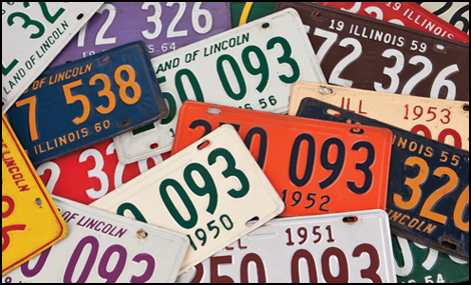
Law enforcement use of automated license plate readers is often reported in local, regional, and national media. News stories reviewing the deployment and use of...
ALPR FAQs

Frequently Asked Questions:
How does Automatic License Plate Recognition (ALPR) technology work?
ALPR systems generally consist of a high speed camera with an infrared (“IR”)...
About ALPR
ALPR systems function to automatically capture an image of the vehicle’s license plate, transform that image into alphanumeric characters using optical character recognition or similar...

Fact Sheet/Brief/Resource/Tool
Sexual Assault Incident Reports: Investigative Strategies
These guidelines and interview strategies are based upon national best practices regarding sexual assault incident investigations and were developed in collaboration with local, state, and...
Body-Worn Cameras and Violence Against Women: Vulnerable Populations and Community Trust
This webinar presents information about body-worn camera program development and considerations when responding to immigrants, individuals who identify as lesbian, gay, bisexual, transgender, queer or...
Body-Worn Cameras and Violence Against Women: Policy and Program Development
This webinar presents information about the creation or update of body-worn camera policies and programs highlighting the considerations specific to intimate partner violence including domestic...
Public Recording of Police
The International Association of Chiefs of Police (IACP), with funding from the Office of Community Oriented Policing Services (COPS), developed a training toolkit addressing the…


