
Evidence-Based/Data-Driven Policing
Policy Center Resources
See AllResources
Service Via Video: Reducing Response Times, Lowering Costs, and Improving Public Trust
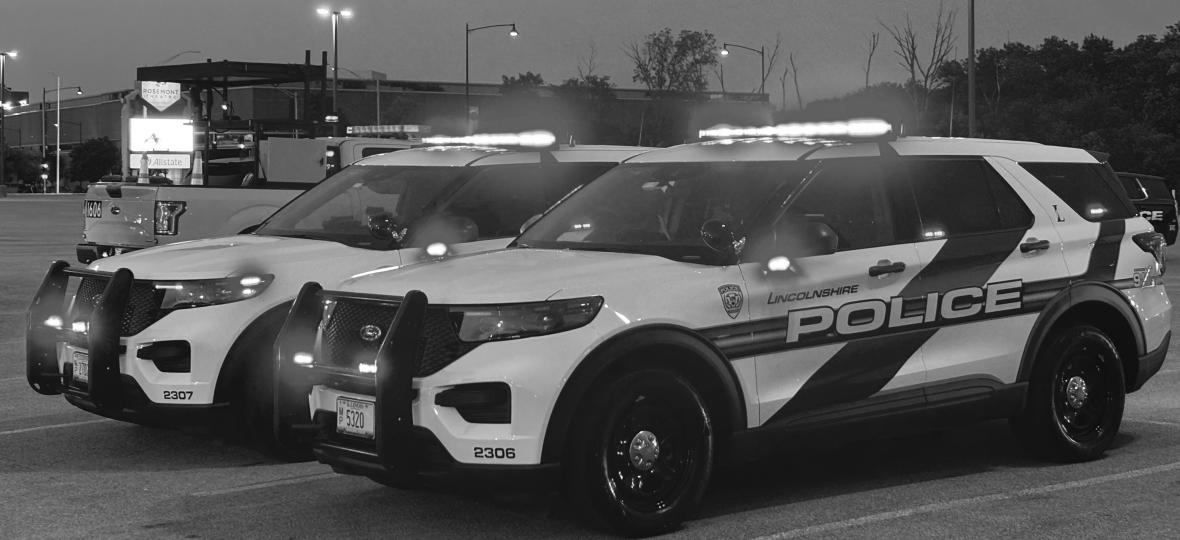

This brief discusses how virtual response serves as an innovative avenue for police to efficiently respond to nonemergency calls, reduce costs, and improve community-police relations.
Adapted from Gates, S., et al. (2024). Responding to nonemergency calls for service via video: A randomized controlled trial. Criminology & Public Policy, 24(3), 309-331. https://doi.org/10.1111/1745-9133.12690.
IACP's Evidence-to-Action Hub is your go-to resource for fast, accessible, and actionable summaries of research designed for immediate use by police executives, command staff, and practitioners.
Rethinking Crisis Response: Challenges and Strategies for Police-Led Multidisciplinary Teams
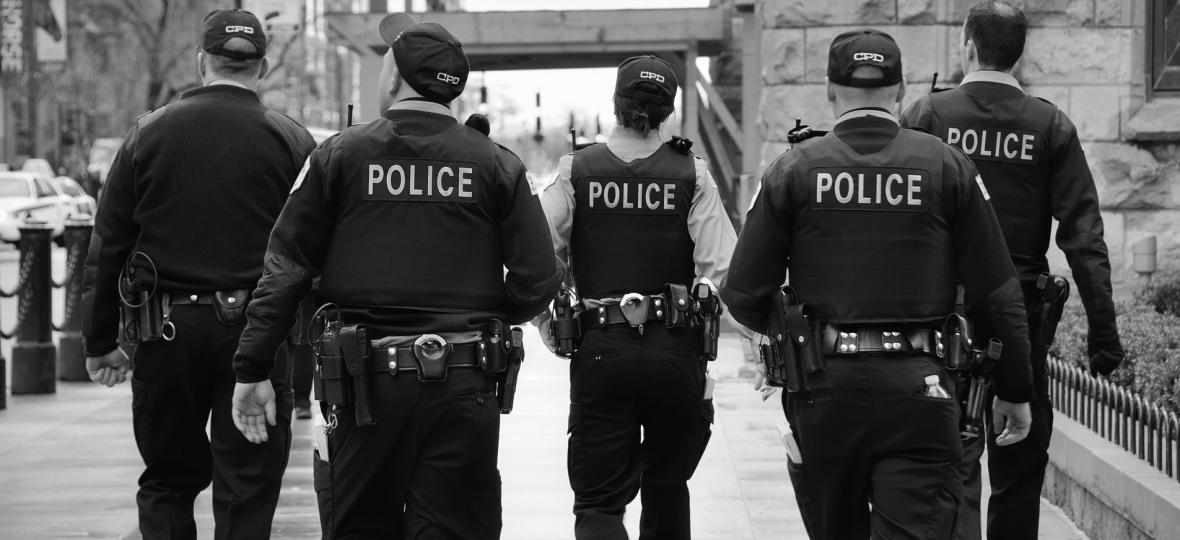
This brief discusses how police-led multidisciplinary teams (MDTs) can improve the effectiveness of care and reduce officer strain, but they also require structure and collaboration, including clearly defined responsibilities, careful planning, and collaborative training sessions.
Adapted from Barros, J. T., & Petreca, V. G. (2025). Police-led multidisciplinary teams in crisis response: Integrating behavioral health and law enforcement. Police Journal: Theory, Practice and Principles. https://doi.org/10.1177/0032258X251370242.
IACP's Evidence-to-Action Hub is your go-to resource for fast, accessible, and actionable summaries of research designed for immediate use by police executives, command staff, and practitioners.
Mapping Crime by Space and Time: A Smarter Way to Target Violence in Cities
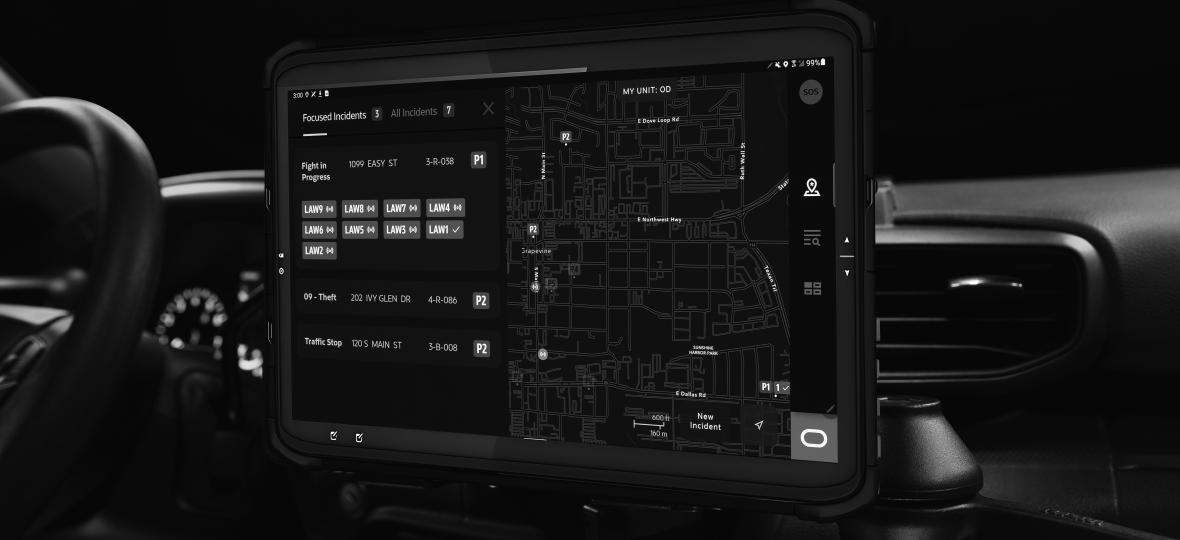
This brief discusses how breaking crime data down by both location and time of day can make predictions more accurate and help police direct resources when and where they're most effective.
Adapted from Puur, M., et al. (2025). Spatial and temporal patterns of risk: A risk terrain modeling approach in Stockholm, Sweden. European Journal on Criminal Policy and Research. https://doi.org/10.1007/s10610-025-09625-0.
IACP's Evidence-to-Action Hub is your go-to resource for fast, accessible, and actionable summaries of research designed for immediate use by police executives, command staff, and practitioners.
Body-Worn Cameras in Policing: Evidence, Gaps, and Guidance for Leaders

This brief discusses how body-worn cameras (BWCs) have mixed and limited effects on police and community member behavior. BWCs may reduce complaints and provide evidentiary benefits, but their effectiveness relies on policy, training, and organizational culture.
Adapted from Lum, C., et al. (2020). Body-worn cameras’ effects on police officers and citizen behavior: A systematic review. Campbell Systematic Reviews, 16(3). https://doi.org/10.1002/cl2.1112, and Lum, C., et al. (2019). Research on body-worn cameras. Criminology & Public Policy, 18(1), 93–118. https://doi.org/10.1111/1745-9133.12412.
IACP's Evidence-to-Action Hub is your go-to resource for fast, accessible, and actionable summaries of research designed for immediate use by police executives, command staff, and practitioners.


